

As we delve into the world of educational games, we quickly realise the significant role that visual schedules play in enhancing the learning experience. Visual schedules serve as a powerful tool, providing structure and clarity to children as they navigate through various tasks and activities. By presenting information in a visual format, we can help children understand what is expected of them, thereby reducing anxiety and increasing engagement.
This is particularly beneficial in our educational apps, COCO THINKS and COCO MOVES, where children can interact with learning materials in a fun and engaging way. Moreover, visual schedules can aid in the development of essential skills such as time management and organisation. When children can see their tasks laid out visually, they are more likely to stay focused and complete their activities in a timely manner.
This not only enhances their learning experience but also fosters a sense of accomplishment. In our apps, we have integrated visual schedules to guide children through various educational games, allowing them to track their progress and celebrate their achievements.
Summary
- Visual schedules enhance learning by providing clear structure and predictability in educational games.
- They support special educational needs by promoting independence and self-regulation.
- Effective visual schedules should be age-appropriate and adaptable to different learning environments.
- Implementing visual schedules in both classroom and online settings improves engagement and focus.
- Overcoming challenges with visual schedules involves flexibility and ongoing adjustment to individual learner needs.
How Visual Schedules Support Learning and Development
Visual schedules are instrumental in supporting children’s learning and development across various domains. They provide a clear roadmap for children to follow, which can be particularly beneficial for those who may struggle with verbal instructions or abstract concepts. By breaking down tasks into manageable steps, we enable children to grasp complex ideas more easily.
For instance, in COCO THINKS, we use visual schedules to outline the steps involved in problem-solving activities, making it easier for children to engage with the content. Additionally, visual schedules can enhance cognitive development by promoting critical thinking and decision-making skills. When children are presented with a visual representation of their tasks, they are encouraged to think about what comes next and how to approach each activity.
This not only fosters independence but also cultivates a sense of responsibility for their own learning. As we continue to develop our educational resources, we remain committed to incorporating visual schedules that support these vital aspects of child development.
Creating Effective Visual Schedules for Educational Games

Creating effective visual schedules requires careful consideration of several factors. First and foremost, we must ensure that the visuals are clear and easily understandable for the target age group. This means using simple images or icons that accurately represent each task or activity.
In our apps, we have designed custom visuals that resonate with children, making it easier for them to connect with the content. Another important aspect is the organisation of the schedule itself. We should aim to present information in a logical sequence that reflects the flow of activities within the game.
For example, in COCO MOVES, we arrange tasks in a step-by-step manner, allowing children to follow along seamlessly. By doing so, we create a sense of progression that keeps children motivated and engaged throughout their learning journey.
Implementing Visual Schedules in the Classroom Setting
Implementing visual schedules in the classroom setting can significantly enhance the learning environment for all students. As educators, we can introduce visual schedules as part of our daily routine, helping children understand what to expect throughout the day. This can be particularly beneficial during transitions between activities, as it provides a clear indication of what is coming next.
In our training courses for families and SENDCo teachers, we emphasise the importance of consistency when using visual schedules. By maintaining a predictable routine, we can help children feel more secure and confident in their learning environment. Additionally, we encourage educators to involve students in the creation of their own visual schedules, fostering a sense of ownership and responsibility for their learning.
Using Visual Schedules to Support Special Educational Needs
Visual schedules are especially valuable for supporting children with special educational needs (SEN). Many children with SEN may struggle with communication or processing verbal instructions, making visual aids an essential component of their learning experience. By providing clear visual representations of tasks, we can help these children better understand expectations and reduce frustration.
In our educational apps, we have tailored visual schedules specifically for children with SEN, ensuring that they can engage with the content at their own pace. Furthermore, we offer online training for families and SENDCo teachers to equip them with the skills needed to effectively implement visual schedules in their teaching practices. By doing so, we aim to create an inclusive learning environment where all children can thrive.
Incorporating Visual Schedules in Online Educational Games
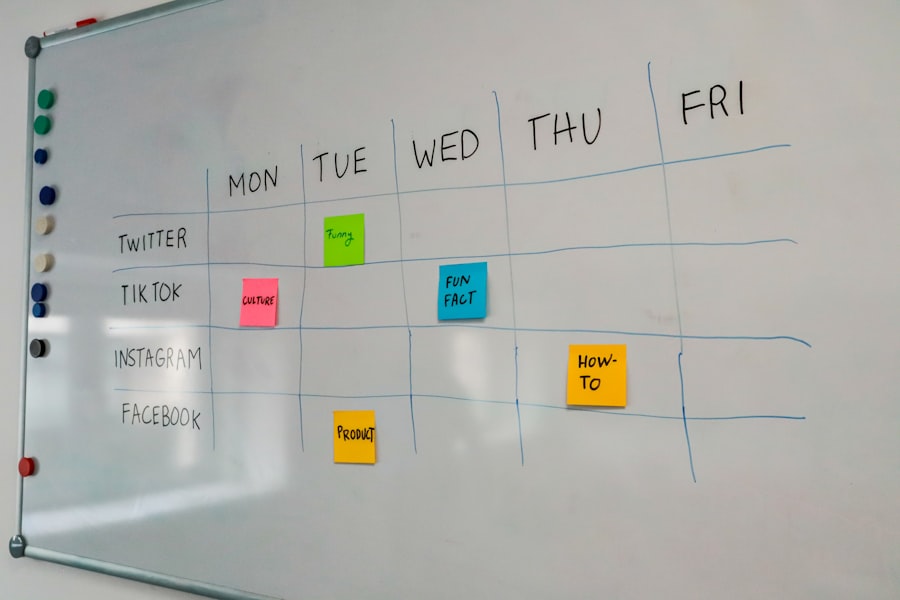
As technology continues to evolve, incorporating visual schedules into online educational games has become increasingly important. In our apps like COCO THINKS and COCO MOVES, we have integrated interactive visual schedules that allow children to engage with their learning in a dynamic way. These digital schedules not only provide structure but also enhance the overall gaming experience.
By using animations and interactive elements within our visual schedules, we can capture children’s attention and keep them motivated throughout their learning journey. For instance, when a child completes a task in COCO MOVES, they can see their progress visually represented on the schedule, reinforcing their sense of achievement and encouraging them to continue playing.
Tips for Using Visual Schedules to Enhance Educational Game Play
To maximise the effectiveness of visual schedules in educational game play, there are several tips we can follow. Firstly, it is essential to keep the visuals simple and uncluttered. Overly complex images can confuse children and detract from their learning experience.
Instead, we should focus on using clear icons that represent each task effectively. Secondly, we should encourage children to refer to their visual schedules regularly throughout the game. By doing so, they will develop a habit of checking their progress and understanding what comes next.
In our apps, we prompt children to review their schedules at key points during gameplay, reinforcing this important skill. Lastly, it is crucial to celebrate achievements along the way. When children complete tasks or reach milestones within the game, we should acknowledge their efforts visually on the schedule.
This not only boosts their confidence but also motivates them to continue engaging with the educational content.
Utilising Visual Schedules to Promote Independence and Self-Regulation
One of the most significant benefits of using visual schedules is their ability to promote independence and self-regulation among children. By providing a clear outline of tasks and expectations, we empower children to take charge of their own learning journey. This is particularly important as they transition into more independent learners.
In our educational apps, we have designed features that encourage self-monitoring through visual schedules. For example, children can check off completed tasks or move icons along a progress bar as they advance through activities. This not only fosters a sense of accomplishment but also helps them develop essential self-regulation skills as they learn to manage their time effectively.
Adapting Visual Schedules for Different Age Groups
When creating visual schedules for educational games, it is essential to adapt them for different age groups. Younger children may benefit from more colourful and engaging visuals, while older students may prefer more sophisticated designs that reflect their growing independence. In our apps, we have tailored our visual schedules to cater to various age ranges, ensuring that they remain relevant and engaging for all users.
Additionally, as children’s cognitive abilities develop over time, we can gradually introduce more complex visual schedules that require higher levels of critical thinking and problem-solving skills. By doing so, we ensure that our educational resources remain challenging yet accessible for all learners.
Overcoming Challenges When Using Visual Schedules with Educational Games
While visual schedules offer numerous benefits, there may be challenges when implementing them within educational games. One common issue is resistance from children who may prefer traditional methods of learning or find visual aids distracting. To address this challenge, we must emphasise the advantages of using visual schedules and demonstrate how they can enhance the gaming experience.
Another challenge may arise from inconsistencies in how visual schedules are used across different settings. To overcome this issue, we encourage collaboration between educators and families to ensure that everyone is on the same page regarding expectations and routines. Our training courses provide valuable insights into best practices for implementing visual schedules effectively in both home and school environments.
The Future of Visual Schedules in Educational Gaming
As we look towards the future of educational gaming, it is clear that visual schedules will continue to play a vital role in enhancing learning experiences for children. With advancements in technology and an increasing focus on personalised learning approaches, we anticipate that visual schedules will become even more interactive and engaging. Incorporating features such as augmented reality or gamified elements into visual schedules could revolutionise how children interact with their learning materials.
As developers of educational apps like COCO THINKS and COCO MOVES, we are committed to exploring innovative ways to integrate visual schedules into our platforms while ensuring they remain effective tools for supporting children’s learning and development. In conclusion, visual schedules are an invaluable resource in educational games that support children’s learning across various domains. By creating effective visual aids tailored to different age groups and needs, we can foster independence and self-regulation while enhancing engagement in educational content.
As we continue to innovate within this space, we remain dedicated to harnessing the power of visual schedules to create enriching learning experiences for all children.
Incorporating visual schedules with educational games can significantly enhance learning experiences for children. For further insights on how to effectively engage students, you may find the article on engaging educational games for 5th graders particularly useful. This resource offers a variety of game ideas that can be seamlessly integrated with visual schedules to promote both structure and enjoyment in the learning process.