
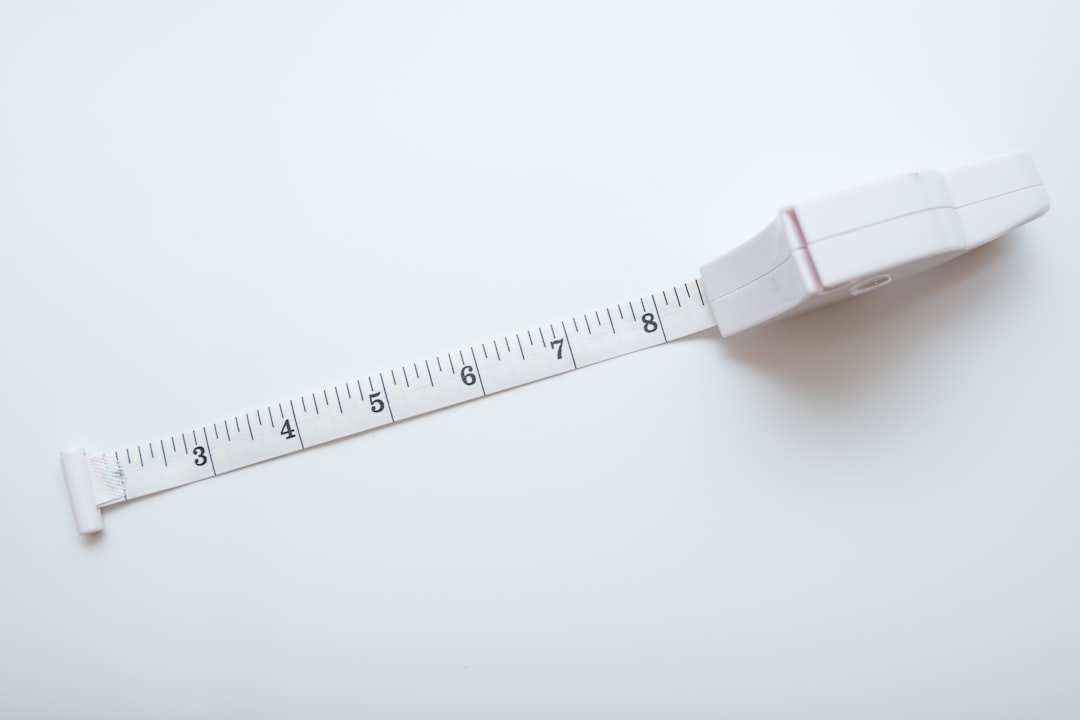
As educators, we often find ourselves searching for innovative ways to engage our students in the learning process. One of the most effective methods we have discovered is the use of games to teach measurement and units. The world of measurement can sometimes feel abstract and daunting, especially for younger learners.
However, by incorporating games into our lessons, we can transform this complex subject into an enjoyable and interactive experience. We remember a time in our classroom when we introduced a simple measuring game using everyday objects. The excitement on our students’ faces as they raced to measure items around the room was a clear indication that we were onto something special.
Games not only make learning fun but also provide a practical context for understanding measurement concepts. For instance, when we played a game where students had to estimate and then measure the length of various classroom items, they were not just learning about inches and centimetres; they were actively engaging with the material. This hands-on approach allowed them to grasp the importance of accuracy and precision in measurement, skills that are essential in both academic and real-world scenarios.
By using games, we create an environment where students feel comfortable exploring and making mistakes, which is crucial for their learning journey.
Benefits of Using Games for Teaching Measurement and Units
The benefits of using games in teaching measurement and units are manifold. Firstly, games foster a sense of collaboration among students. When we organise group activities, such as relay races involving measuring tasks, we notice how students work together, share ideas, and support one another.
This collaborative spirit not only enhances their understanding of measurement concepts but also builds essential social skills. We have seen shy students come out of their shells, taking on leadership roles during these activities, which is a testament to the power of games in promoting teamwork. Moreover, games cater to various learning styles, making them an inclusive teaching tool.
For instance, visual learners benefit from seeing measurements in action, while kinesthetic learners thrive on the physical aspect of measuring objects. We recall a family gathering where our children played a scavenger hunt game that required them to measure items around the house. Each child engaged with the task in their unique way, demonstrating that games can accommodate diverse learning preferences.
This adaptability ensures that all students can participate meaningfully, regardless of their individual strengths or challenges.
Types of Games for Teaching Measurement and Units
When it comes to types of games for teaching measurement and units, the possibilities are endless. We often utilise board games that incorporate measurement challenges, such as « Measurement Monopoly, » where players must calculate distances and areas as they move around the board. This not only reinforces their understanding of measurement but also adds an element of strategy and competition that keeps them engaged.
Another effective type of game is digital applications like COCO THINKS and COCO MOVES. These educational apps are designed specifically for children, including those with special needs, providing interactive activities that focus on measurement concepts. We have found that these apps offer a unique blend of fun and learning, allowing students to practice measuring in a virtual environment.
The colourful graphics and engaging gameplay capture their attention, making it easier for them to absorb complex ideas without feeling overwhelmed.
Incorporating Games into Lesson Plans for Measurement and Units
Incorporating games into our lesson plans requires careful consideration and planning. We often start by identifying the specific measurement concepts we want to teach, such as length, weight, or volume. Once we have a clear objective, we brainstorm game ideas that align with these goals.
For example, if we are focusing on length, we might plan a « Measure It! » day where students participate in various measuring activities throughout the lesson. We also ensure that the games we choose complement our existing curriculum. By integrating games into our lesson plans seamlessly, we create a cohesive learning experience for our students.
For instance, after introducing the concept of perimeter through direct instruction, we might follow up with a game where students measure the sides of different shapes and calculate their perimeters. This approach reinforces their understanding while keeping them actively engaged in the learning process.
Choosing the Right Games for Teaching Measurement and Units
Choosing the right games for teaching measurement and units is crucial to ensuring that our students benefit from these activities. We consider several factors when selecting games, including age appropriateness, complexity, and alignment with learning objectives. For younger students, we often opt for simple games that focus on basic measurement concepts, such as comparing lengths or weighing objects using balance scales.
For older students or those who have mastered foundational skills, we might choose more complex games that challenge them to apply their knowledge in new ways. We remember a time when we introduced a game involving real-life scenarios where students had to plan a garden layout using measurements. This not only tested their understanding of area and perimeter but also encouraged them to think critically about how measurements apply in everyday life.
Strategies for Engaging Students with Games for Measurement and Units

Engaging students with games requires creativity and enthusiasm on our part as educators. One effective strategy we have employed is to create a sense of competition among students. By organising friendly competitions or challenges related to measurement tasks, we motivate our students to put forth their best effort.
For example, during a measuring relay race, we set up stations where teams had to complete different measuring tasks within a time limit. The excitement in the room was palpable as students cheered each other on. Another strategy is to incorporate storytelling into our games.
We often create narratives around measurement tasks to make them more relatable and engaging for our students. For instance, we might tell a story about a character who needs help measuring ingredients for a magical potion. As students work through the measuring tasks to assist the character, they become invested in the outcome of the story, making the learning experience more meaningful.
Addressing Common Challenges when Using Games for Measurement and Units
While using games in teaching measurement and units can be highly effective, we also encounter common challenges that require thoughtful solutions. One challenge is managing diverse skill levels within our classrooms. We have found that differentiating tasks within games can help address this issue.
For example, during a measuring scavenger hunt, we might provide different sets of clues based on students’ abilities, ensuring that everyone can participate at their own level. Another challenge is ensuring that games remain focused on learning objectives rather than devolving into mere playtime. To combat this, we establish clear guidelines and expectations before starting any game.
We remind students of the learning goals associated with the activity and encourage them to reflect on what they have learned after completing the game. This reflection helps reinforce the educational value of the experience while keeping students accountable for their learning.
Assessing Student Learning through Games for Measurement and Units
Assessing student learning through games can be both enjoyable and informative for us as educators. We often use informal assessments during gameplay to gauge student understanding. For instance, while observing students measure objects during a game, we take note of their accuracy and ability to apply measurement concepts correctly.
This real-time assessment allows us to identify areas where students may need additional support or clarification. Additionally, we encourage self-assessment among our students after completing games. By asking them to reflect on what they learned and how they applied measurement skills during gameplay, we foster metacognitive awareness.
This practice not only helps us understand their learning progress but also empowers students to take ownership of their educational journey.
Creating a Positive Learning Environment with Games for Measurement and Units
Creating a positive learning environment is essential when using games for teaching measurement and units. We strive to cultivate an atmosphere where students feel safe to take risks and make mistakes without fear of judgement. One way we achieve this is by celebrating effort over perfection during gameplay.
We often highlight instances where students demonstrate perseverance or creativity in solving measurement challenges, reinforcing the idea that learning is a process. Moreover, we encourage collaboration among students during games by promoting teamwork and communication. By assigning roles within groups or encouraging peer support during activities, we foster a sense of community in our classroom.
This collaborative spirit not only enhances student engagement but also contributes to a positive learning environment where everyone feels valued.
Resources for Finding Games for Teaching Measurement and Units
Finding suitable resources for games that teach measurement and units can be an exciting adventure for us as educators. There are numerous online platforms dedicated to educational games that cater specifically to measurement concepts. Websites like Teachers Pay Teachers offer a wealth of resources created by fellow educators who share their innovative game ideas.
Additionally, educational apps like COCO THINKS and COCO MOVES provide interactive experiences tailored for children and special needs learners alike. These apps offer engaging activities that reinforce measurement skills while allowing students to learn at their own pace. We often recommend these resources to parents looking for ways to support their children’s learning at home.
Case Studies and Success Stories of Using Games for Teaching Measurement and Units
Our journey with using games to teach measurement has been filled with success stories that inspire us as educators. One memorable case involved a group of struggling learners who initially found measurement concepts overwhelming. After introducing a series of engaging games focused on hands-on measuring tasks, we witnessed a remarkable transformation in their confidence levels.
By the end of the unit, these students not only improved their measurement skills but also developed a newfound enthusiasm for mathematics as a whole. Their success was evident not just in their test scores but also in their willingness to participate actively in class discussions about measurement concepts. In conclusion, using games as a tool for teaching measurement and units has proven to be an effective strategy in our classrooms.
The benefits are clear: increased engagement, collaboration among peers, and improved understanding of complex concepts. By thoughtfully incorporating games into our lesson plans and addressing common challenges along the way, we create an enriching learning environment where all students can thrive.