
In the intricate tapestry of family life, sibling relationships hold a unique and significant place. As we navigate the joys and challenges of raising children, we often find ourselves reflecting on the importance of sibling cooperation. This cooperation is not merely about sharing toys or taking turns; it is a vital skill that lays the foundation for effective communication, conflict resolution, and emotional intelligence.
When siblings learn to work together, they not only strengthen their bond but also develop essential life skills that will serve them well into adulthood. At times, we may witness our children engaging in playful banter or spirited disagreements. These moments are crucial opportunities for growth.
By fostering an environment where cooperation is encouraged, we can help our children learn to appreciate each other’s strengths and differences. This is where educational games come into play, offering a fun and engaging way to promote teamwork and collaboration among siblings. Through these games, we can guide our children towards understanding the value of cooperation, setting the stage for a harmonious family dynamic.
Summary
- Educational games play a vital role in enhancing sibling cooperation and reducing rivalry.
- Selecting appropriate games is key to promoting communication, collaboration, and empathy among siblings.
- Educational games provide practical opportunities to teach conflict resolution skills in a supportive environment.
- Regular use of these games helps foster a positive and lasting sibling bond.
- Long-term engagement with educational games can significantly improve sibling relationships and family harmony.
The Benefits of Educational Games for Sibling Cooperation
Educational games serve as a powerful tool for promoting sibling cooperation. They provide a structured yet enjoyable environment where children can learn to work together towards a common goal. For instance, games that require teamwork to solve puzzles or complete challenges encourage siblings to communicate effectively and strategise together.
This collaborative effort not only enhances their problem-solving skills but also fosters a sense of unity and shared accomplishment. Moreover, educational games can help siblings develop patience and empathy. As they navigate the ups and downs of gameplay, they learn to support one another, celebrate successes, and navigate setbacks together.
This shared experience cultivates a deeper understanding of each other’s emotions and perspectives. For example, when one sibling struggles with a particular task, the other can step in to offer assistance or encouragement, reinforcing the idea that cooperation leads to success.
Choosing the Right Educational Games for Sibling Cooperation
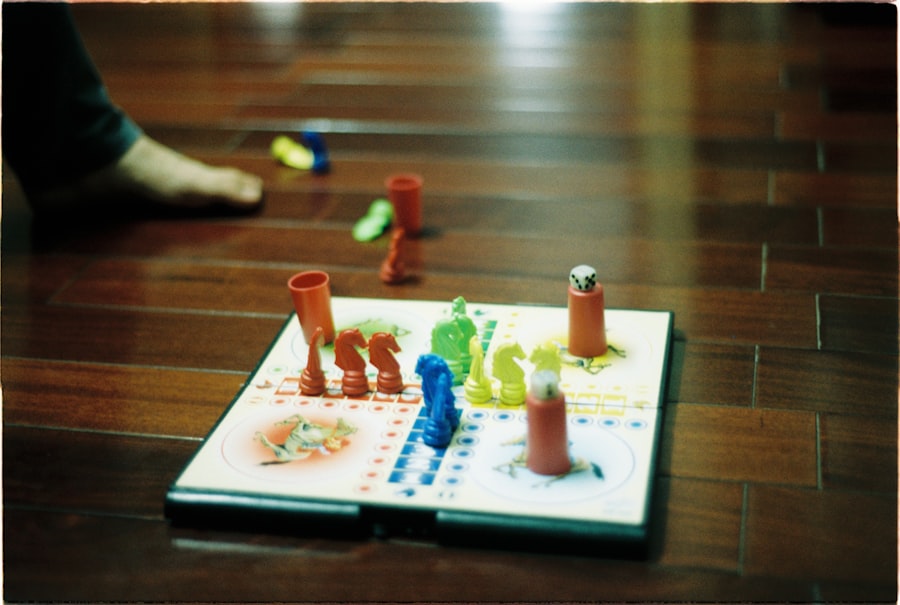
When it comes to selecting educational games that promote sibling cooperation, we must consider the interests and developmental stages of our children. Games that are too complex may lead to frustration, while those that are too simplistic may not engage them sufficiently. We should aim for games that strike a balance between challenge and enjoyment, ensuring that both siblings feel invested in the experience.
For younger children aged 5 to 10, apps like COCO THINKS and COCO MOVEs can be particularly beneficial. These educational apps are designed to stimulate cognitive development while encouraging collaboration. For instance, COCO THINKS offers a variety of brain games that require players to work together to solve problems, enhancing their critical thinking skills.
Similarly, COCO MOVEs incorporates physical activity into learning, promoting teamwork through interactive challenges. By choosing games that align with our children’s interests and abilities, we can create an engaging environment that fosters cooperation.
Setting the Stage for Sibling Cooperation through Educational Games
To maximise the benefits of educational games for sibling cooperation, we must create an environment conducive to collaboration. This begins with setting clear expectations about teamwork and communication. Before starting a game, we can discuss the importance of working together and encourage our children to express their thoughts and ideas openly.
By establishing a positive atmosphere where cooperation is valued, we set the stage for meaningful interactions. Additionally, we should consider incorporating regular game sessions into our family routine. By designating specific times for educational games, we create an opportunity for siblings to bond and practice their cooperative skills consistently.
This not only reinforces the importance of teamwork but also allows us to monitor their progress and provide guidance as needed. As we engage in these activities together, we strengthen our family ties while equipping our children with essential life skills.
Teaching Conflict Resolution through Educational Games
Conflict is an inevitable part of any relationship, including those between siblings. However, educational games can serve as an effective platform for teaching conflict resolution skills. When disagreements arise during gameplay, we can guide our children in navigating these challenges constructively.
For instance, if one sibling feels frustrated with another’s approach to a game, we can encourage them to express their feelings calmly and seek a compromise. Through this process, our children learn valuable lessons about negotiation and empathy. They begin to understand that differing opinions can lead to creative solutions rather than conflict.
By modelling healthy conflict resolution strategies during gameplay, we empower our children to apply these skills in their everyday interactions with one another. Over time, they will become more adept at resolving disputes amicably, fostering a more harmonious sibling relationship.
Encouraging Communication and Collaboration through Educational Games

Effective communication is at the heart of successful sibling cooperation. Educational games provide an excellent opportunity for siblings to practice their communication skills in a fun and engaging way. As they work together to achieve a common goal, they learn to articulate their thoughts clearly and listen actively to one another.
For example, while playing COCO THINKS, siblings may need to discuss their strategies for solving puzzles or share ideas on how to approach challenges. This collaborative dialogue encourages them to express themselves openly while also valuing each other’s input. By reinforcing the importance of communication during gameplay, we help our children develop strong interpersonal skills that will benefit them throughout their lives.
Fostering Empathy and Understanding through Educational Games
Empathy is a crucial component of healthy relationships, and educational games can play a significant role in fostering this quality among siblings. As they engage in cooperative gameplay, children are often required to consider each other’s feelings and perspectives. For instance, if one sibling is struggling with a particular task, the other may need to step in and offer support or encouragement.
Through these interactions, our children learn to recognise and validate each other’s emotions. They begin to understand that everyone has different strengths and weaknesses, which fosters a sense of compassion and understanding. By promoting empathy through educational games, we equip our children with the tools they need to build strong relationships not only with each other but also with their peers.
Creating a Positive Sibling Bond through Educational Games
The bond between siblings can be strengthened significantly through shared experiences in educational games. As they collaborate towards common goals, they create lasting memories that contribute to their overall relationship. These shared moments of joy and achievement foster a sense of belonging and connection that is invaluable.
Moreover, educational games often encourage laughter and light-hearted competition, which can further enhance sibling bonds. When siblings engage in friendly rivalry or celebrate each other’s successes during gameplay, they cultivate a positive atmosphere that reinforces their relationship. By prioritising these shared experiences through educational games, we help our children build a strong foundation for their lifelong bond.
Overcoming Sibling Rivalry with Educational Games
Sibling rivalry is a common challenge faced by many families; however, educational games can serve as an effective means of overcoming this issue. By providing opportunities for collaboration rather than competition, we can shift the focus from rivalry to teamwork. For instance, instead of pitting siblings against each other in competitive games, we can choose cooperative games that require them to work together towards a shared objective.
As they engage in these collaborative activities, siblings learn to appreciate each other’s strengths and contributions rather than viewing each other as competitors. This shift in perspective can significantly reduce feelings of jealousy or resentment while fostering a sense of camaraderie. By using educational games as a tool for overcoming sibling rivalry, we create an environment where cooperation thrives.
Implementing Educational Games as a Regular Practice for Sibling Cooperation
To truly harness the benefits of educational games for sibling cooperation, we must make them a regular part of our family routine. By incorporating game sessions into our weekly schedule, we create consistent opportunities for our children to practice their cooperative skills. This regularity not only reinforces the importance of teamwork but also allows us to monitor their progress over time.
Additionally, we can encourage our children to take turns selecting games or activities that interest them. This not only empowers them but also fosters a sense of ownership over their learning experiences. As they engage in various educational games together, they will continue to develop essential skills such as communication, empathy, and conflict resolution—all while having fun.
The Long-term Impact of Using Educational Games to Build Sibling Cooperation
In conclusion, the importance of sibling cooperation cannot be overstated. Through educational games like COCO THINKS and COCO MOVEs for younger children or Clint your brain coach for older kids and adults, we have the opportunity to cultivate essential life skills that will benefit our children throughout their lives. By fostering an environment where cooperation is valued and encouraged, we set the stage for strong sibling relationships built on trust, empathy, and understanding.
As our children grow older, the lessons learned through these cooperative experiences will continue to shape their interactions with others—both within the family unit and beyond. The ability to communicate effectively, resolve conflicts amicably, and work collaboratively are invaluable skills that will serve them well in all aspects of life. By prioritising educational games as a means of promoting sibling cooperation today, we are investing in their future success as compassionate individuals who understand the power of teamwork.
In exploring the theme of sibling cooperation through educational games, it is also worthwhile to consider the broader implications of these games on family dynamics. An insightful article on the benefits of educational games for family bonding can be found here. This resource highlights how engaging in cooperative play not only strengthens sibling relationships but also fosters a sense of unity and teamwork within the family unit.