

As we gather for parent-teacher conferences, we often find ourselves navigating a delicate balance between sharing academic progress and fostering a collaborative spirit. In recent years, we have discovered that incorporating educational games into these meetings can transform the atmosphere, making it more engaging and interactive. By using games, we can break down barriers, encourage open dialogue, and create a shared experience that resonates with both parents and educators.
This approach not only enhances communication but also allows us to celebrate the learning journey of our students in a fun and memorable way. Imagine walking into a conference room where parents are greeted not just with reports and statistics, but with vibrant displays of educational games. The air is filled with laughter and excitement as families engage in activities that highlight their child’s strengths and areas for growth.
This shift from traditional methods to a more dynamic approach can significantly impact how we connect with parents, making them feel more involved in their child’s education. As we explore the benefits and strategies for implementing educational games in parent-teacher conferences, we will uncover how this innovative approach can lead to more fruitful discussions and stronger partnerships.
Benefits of Using Educational Games in Parent-Teacher Conferences
The benefits of integrating educational games into parent-teacher conferences are manifold. Firstly, these games serve as icebreakers, easing the initial tension that often accompanies such meetings. When parents and teachers engage in a playful activity, it fosters a sense of camaraderie and trust.
For instance, we might use a simple game that involves matching vocabulary words with their definitions. As parents participate, they not only learn about the curriculum but also witness firsthand how their child is being taught, creating a shared understanding of educational goals. Moreover, educational games can provide valuable insights into a child’s learning style and preferences.
For example, during a game designed to assess problem-solving skills, we might observe how a child approaches challenges—whether they prefer collaborative strategies or independent thinking. This information can be invaluable for tailoring future learning experiences to better suit each child’s unique needs. By using games as a tool for assessment, we can create a more holistic view of a student’s progress, which can be shared with parents in an engaging manner.
How to Choose the Right Educational Games for Parent-Teacher Conferences
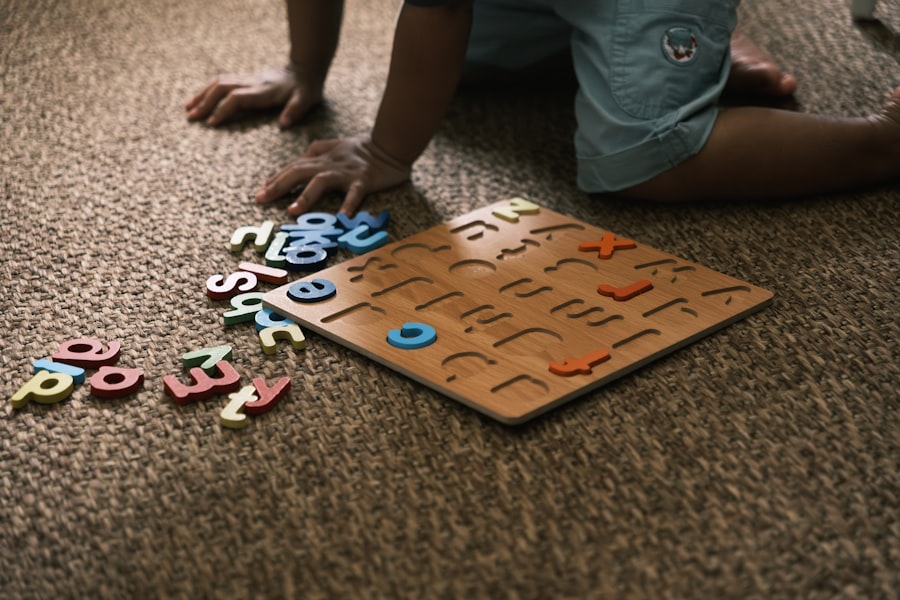
Selecting the appropriate educational games for parent-teacher conferences requires careful consideration of several factors. Firstly, we must take into account the age group of the students involved. Games that are suitable for younger children may not resonate with older students or their parents.
For instance, while a colourful memory game might captivate the attention of primary school parents, secondary school parents may appreciate more complex strategy games that reflect their child’s curriculum. Additionally, we should consider the specific objectives we aim to achieve through these games. Are we looking to highlight academic achievements, address behavioural concerns, or foster collaboration between parents and teachers?
By aligning the chosen games with our goals, we can ensure that they serve a meaningful purpose during the conference. For example, if our aim is to discuss literacy development, we might opt for word-based games that encourage parents to engage with their child’s reading skills directly.
Incorporating Educational Games into Parent-Teacher Conference Activities
Incorporating educational games into parent-teacher conference activities can be done seamlessly with a bit of planning. We can set up different stations around the conference room, each featuring a unique game that targets various aspects of learning. This approach allows parents to rotate between stations, engaging with multiple facets of their child’s education while also interacting with other families and educators.
To further enhance the experience, we can provide brief explanations of each game and its educational value. This not only informs parents about what they are doing but also empowers them to replicate similar activities at home. For instance, if we introduce a game that focuses on mathematical concepts, we can share tips on how parents can incorporate math-related games into their daily routines.
By doing so, we create an environment where learning extends beyond the classroom and into the home.
Examples of Educational Games for Different Age Groups
When it comes to selecting educational games for different age groups, the possibilities are endless. For younger children in primary school, we might consider interactive board games that reinforce basic literacy and numeracy skills. Games like « Scrabble Junior » or « Sum Swamp » not only make learning fun but also encourage family bonding as parents join in on the excitement.
For older students in secondary school, we could introduce strategy-based games that challenge critical thinking and problem-solving skills. Games like « Catan » or « Risk » require players to strategise and collaborate, mirroring real-world scenarios that students may encounter in their studies or future careers. These games not only engage parents but also provide insight into their child’s ability to navigate complex situations.
How Educational Games Can Enhance Parent-Teacher Communication

Educational games have the potential to significantly enhance communication between parents and teachers during conferences. By engaging in shared activities, both parties can express their thoughts and observations in a relaxed setting. For instance, while playing a game that involves discussing various scenarios related to classroom behaviour, parents may feel more comfortable sharing their concerns or insights about their child’s social interactions.
Furthermore, these games can serve as conversation starters that lead to deeper discussions about academic progress and personal development. As we play together, we create an opportunity for parents to ask questions and seek clarification on topics they may find challenging. This open dialogue fosters a sense of partnership between educators and families, ultimately benefiting the student.
Tips for Implementing Educational Games in Parent-Teacher Conferences
To successfully implement educational games in parent-teacher conferences, we should keep several tips in mind. Firstly, preparation is key. We need to ensure that all materials are readily available and that we have a clear understanding of how each game works.
A well-organised setup will allow us to focus on engaging with parents rather than troubleshooting technical issues or searching for missing pieces. Additionally, we should be mindful of time constraints during conferences. While games are an excellent way to engage parents, we must ensure that they do not overshadow the primary purpose of the meeting—discussing student progress.
Setting time limits for each game or station can help us maintain a balance between fun and informative discussions.
Addressing Common Concerns About Using Educational Games in Parent-Teacher Conferences
While the benefits of using educational games in parent-teacher conferences are clear, some common concerns may arise among educators and parents alike. One concern is whether games will distract from important discussions about academic performance. To address this issue, we can emphasise that the games are designed to complement our conversations rather than replace them.
By framing them as tools for engagement rather than distractions, we can alleviate any apprehensions. Another concern may be related to varying levels of comfort with technology among parents. Not all families may be familiar with digital educational games or apps like COCO THINKS and COCO MOVES from Dynseo.
To mitigate this concern, we can offer brief demonstrations or tutorials during the conference, ensuring that all parents feel confident participating in these activities.
The Role of Educational Games in Creating a Positive Parent-Teacher Conference Experience
Educational games play a crucial role in creating a positive atmosphere during parent-teacher conferences. When parents feel welcomed and engaged through interactive activities, they are more likely to leave the conference feeling informed and empowered about their child’s education. This positive experience can lead to increased parental involvement in school activities and a stronger partnership between home and school.
Moreover, by celebrating student achievements through games, we reinforce the idea that education is not solely about grades but also about growth and development. When parents see their children thriving in a playful environment, it fosters a sense of pride and motivation to support their learning journey at home.
Evaluating the Effectiveness of Educational Games in Parent-Teacher Conferences
To evaluate the effectiveness of educational games in parent-teacher conferences, we should gather feedback from both parents and educators after each event. Surveys or informal discussions can provide valuable insights into what worked well and what could be improved for future conferences. By actively seeking input from participants, we demonstrate our commitment to continuous improvement and responsiveness to their needs.
Additionally, tracking changes in parental engagement levels over time can help us assess the impact of incorporating games into our conferences. If we notice an increase in attendance or participation in school events following these interactive meetings, it may indicate that our approach is resonating with families.
Embracing Educational Games as a Tool for Engaging Parent-Teacher Conferences
In conclusion, embracing educational games as a tool for engaging parent-teacher conferences offers numerous benefits for both educators and families alike. By creating an interactive environment where learning is celebrated through play, we foster stronger connections between home and school while enhancing communication about student progress. As we continue to explore innovative ways to engage parents in their child’s education, let us remember the power of play as a catalyst for meaningful conversations and lasting partnerships.
As we look ahead to future conferences, let us remain open to new ideas and approaches that can enrich our interactions with families. By incorporating educational games thoughtfully into our meetings, we not only create memorable experiences but also empower parents to become active participants in their child’s learning journey—ultimately benefiting our students as they thrive both academically and socially.