

As we embark on the journey of education, we often find ourselves seeking innovative ways to engage our students. Educational games have emerged as a powerful tool in this quest, transforming traditional learning into an interactive and enjoyable experience. These games not only captivate the attention of learners but also foster critical thinking, problem-solving, and collaboration.
We have witnessed firsthand how educational games can bridge the gap between fun and learning, making them an essential component of modern classrooms. In our own experiences, whether in family gatherings or classroom settings, we have seen how games can bring people together. For instance, during a family game night, we might play a trivia game that not only entertains but also teaches us new facts about history or science.
Similarly, in our classrooms, educational games serve as a medium through which students can explore complex concepts in a playful manner. The integration of technology, such as the COCO THINKS and COCO MOVES apps, further enhances this experience by providing tailored educational content that caters to various learning needs.
Benefits of Using Educational Games in Mixed-Age Classrooms
In mixed-age classrooms, the diversity of learners presents both opportunities and challenges. One of the most significant benefits of using educational games in such settings is their ability to cater to different learning styles and paces. We have observed that when students of varying ages engage in educational games, they often learn from one another.
For example, older students may take on leadership roles, guiding younger peers through challenges while reinforcing their own understanding of the material. Moreover, educational games promote inclusivity and collaboration among students. In our classroom experiences, we have seen how games can break down barriers between age groups.
When playing a cooperative game, for instance, students must work together to achieve a common goal, fostering a sense of community and teamwork. This collaborative spirit not only enhances social skills but also encourages empathy and respect for one another’s abilities, creating a harmonious learning environment.
How to Choose the Right Educational Games for Mixed-Age Classrooms
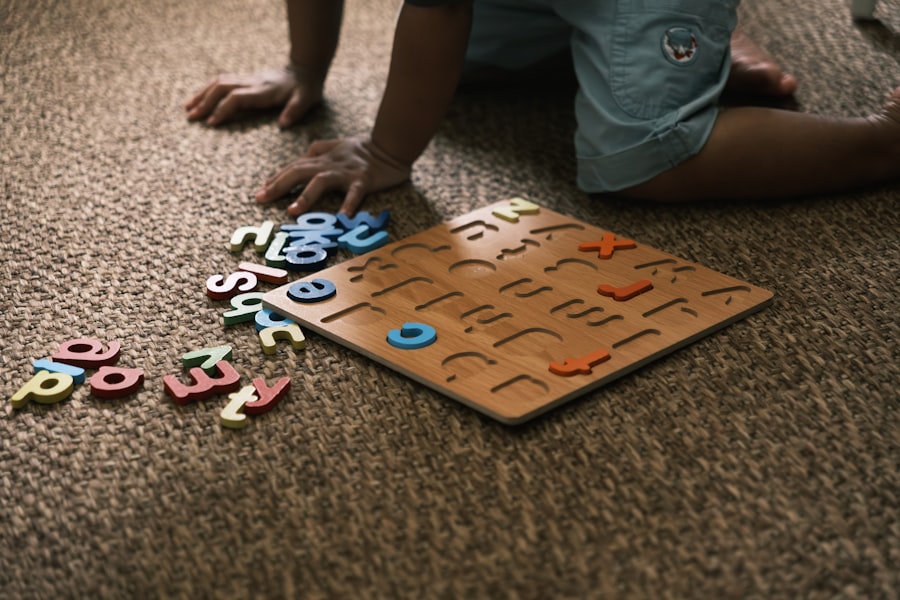
Selecting the appropriate educational games for mixed-age classrooms requires careful consideration of several factors. First and foremost, we must assess the learning objectives we aim to achieve. Are we focusing on literacy skills, mathematics, or perhaps social studies?
By identifying our goals, we can narrow down our options to games that align with our curriculum. Additionally, we should consider the varying skill levels within our classroom. A game that is too challenging for younger students may lead to frustration, while one that is too simplistic for older students may result in disengagement.
We have found that games with adjustable difficulty levels or those that allow for differentiated instruction are particularly effective in mixed-age settings. For instance, COCO THINKS offers a range of activities that can be tailored to suit different age groups and learning abilities, ensuring that every student remains engaged and challenged.
Strategies for Implementing Educational Games in Mixed-Age Classrooms
Implementing educational games in mixed-age classrooms requires thoughtful planning and organisation. One effective strategy is to establish clear rules and objectives before introducing a game. By outlining expectations and desired outcomes, we can ensure that all students understand the purpose of the activity and are motivated to participate fully.
Another approach is to incorporate team-based gameplay. By grouping students of different ages together, we can encourage collaboration and peer learning. For example, during a recent class project, we divided students into teams where older students mentored younger ones.
This not only facilitated knowledge sharing but also fostered a sense of responsibility among older students as they guided their peers through the game.
Adapting Educational Games for Different Age Groups
Adapting educational games for different age groups is crucial in ensuring that all students benefit from the experience. We have found that modifying game rules or providing additional resources can help bridge the gap between varying skill levels. For instance, when playing a word-building game, we might allow younger students to use picture cards as prompts while older students tackle more complex vocabulary.
Furthermore, incorporating technology can enhance adaptability. With apps like COCO MOVES, we can provide interactive activities that adjust to each student’s pace and ability. This flexibility allows us to create an inclusive environment where every learner feels valued and capable of contributing to the game.
Addressing Challenges in Using Educational Games for Mixed-Age Classrooms
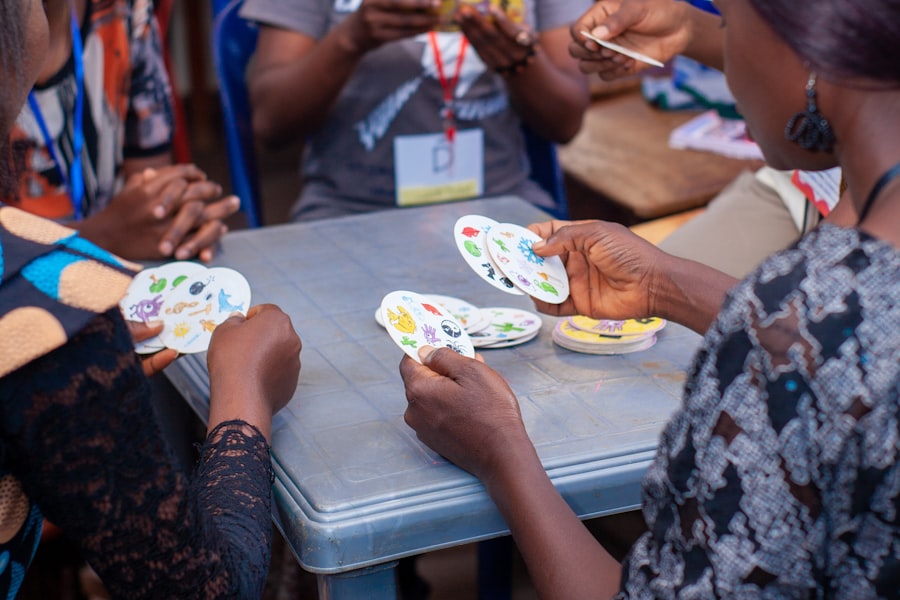
While educational games offer numerous benefits, they also present challenges that we must address proactively. One common issue is managing diverse attention spans within mixed-age classrooms. Younger students may become easily distracted or lose interest more quickly than their older peers.
To combat this, we have found it helpful to keep game sessions short and engaging, incorporating breaks or transitions between activities to maintain focus. Another challenge is ensuring equitable participation among all students. In our experiences, some students may dominate gameplay while others remain passive observers.
To mitigate this, we can implement structured roles within teams or rotate responsibilities during gameplay. By assigning specific tasks to each student, we encourage active involvement and ensure that everyone has an opportunity to contribute.
Incorporating Educational Games into Lesson Plans
Integrating educational games into lesson plans requires creativity and foresight. We have discovered that aligning games with specific learning objectives enhances their effectiveness as teaching tools. For example, if we are teaching fractions in mathematics, we might incorporate a card game where students must create equivalent fractions to win points.
Additionally, we can use educational games as formative assessment tools. By observing how students engage with the game and interact with one another, we gain valuable insights into their understanding of the material. This information can inform our future lesson planning and help us tailor instruction to meet the needs of our diverse learners.
Monitoring and Assessing Learning through Educational Games
Monitoring and assessing learning through educational games can be both enjoyable and informative. We have found that informal assessments during gameplay provide immediate feedback on student understanding. For instance, while playing a geography trivia game, we can gauge how well students grasp key concepts based on their responses.
Moreover, incorporating reflection activities after gameplay allows us to assess learning outcomes more comprehensively. We might ask students to share what they learned during the game or how they collaborated with their peers. This reflective practice not only reinforces learning but also encourages metacognition as students consider their own thought processes.
Encouraging Collaboration and Teamwork through Educational Games
Collaboration and teamwork are essential skills for success in both academic and real-world settings. Educational games provide an excellent platform for fostering these skills among mixed-age learners. We have observed that when students work together towards a common goal, they develop trust and communication skills that extend beyond the classroom.
For example, during a recent team-based challenge using COCO THINKS, we witnessed how older students naturally took on leadership roles while younger ones contributed unique perspectives. This dynamic not only enhanced problem-solving abilities but also cultivated a sense of belonging within the group. By encouraging collaboration through educational games, we prepare our students for future collaborative endeavours in their academic journeys and beyond.
Engaging and Motivating Students with Educational Games
Engagement and motivation are key components of effective learning experiences. We have found that educational games inherently possess qualities that captivate students’ attention and spark their enthusiasm for learning. The element of competition, combined with the joy of play, creates an environment where students are eager to participate.
In our classrooms, we have noticed that incorporating rewards or recognition for achievements during gameplay further boosts motivation. For instance, we might celebrate milestones reached in a math game or acknowledge teamwork during a collaborative project. By creating a positive atmosphere around educational games, we inspire our students to embrace challenges and take ownership of their learning.
Resources for Finding Educational Games for Mixed-Age Classrooms
As we seek out educational games for mixed-age classrooms, numerous resources are available to guide us in our search. Online platforms such as educational websites and app stores offer a wealth of options tailored to various subjects and age groups. We have found that exploring user reviews and recommendations can help us identify high-quality games that align with our teaching objectives.
Additionally, professional development workshops often provide valuable insights into effective educational games and strategies for implementation. Networking with fellow educators can also yield recommendations based on shared experiences in mixed-age classrooms. By leveraging these resources, we can curate a diverse collection of educational games that enrich our teaching practices and enhance student learning experiences.
In conclusion, educational games hold immense potential for transforming mixed-age classrooms into vibrant learning environments where collaboration thrives and knowledge flourishes. By embracing these tools thoughtfully and creatively, we can engage our diverse learners while fostering essential skills that will serve them well beyond the classroom walls. As we continue to explore innovative approaches to education, let us remember the power of play in shaping young minds and nurturing a lifelong love for learning.