
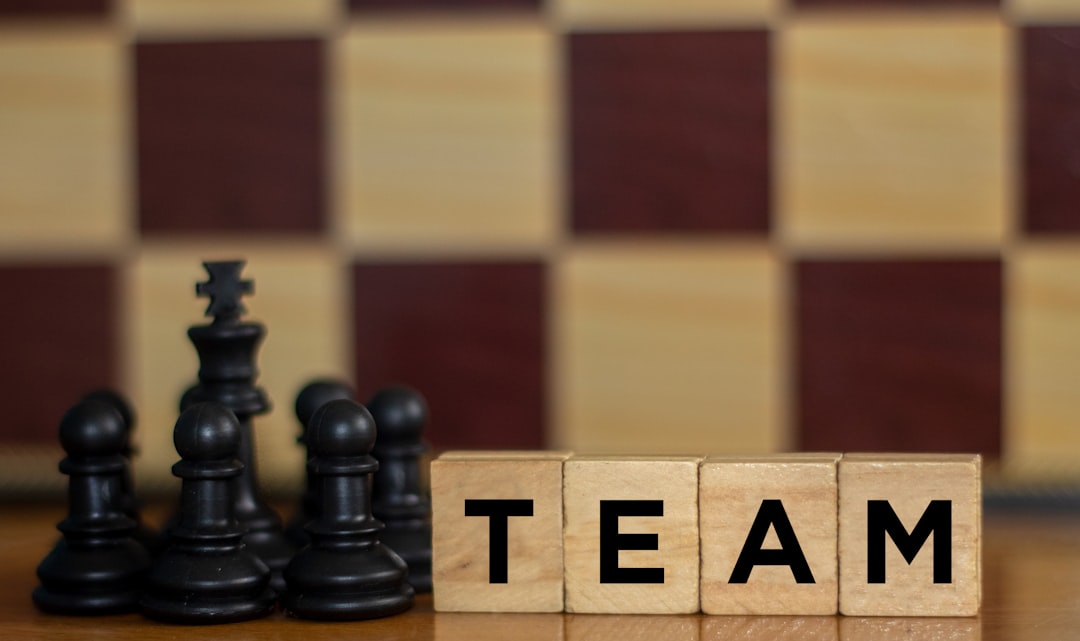
As we gather in our classrooms or family living rooms, we often find ourselves searching for ways to engage our children in learning while also fostering a sense of teamwork. Team-building games present a unique opportunity to achieve both objectives simultaneously. These games not only encourage collaboration and communication but also serve as a platform for teaching essential academic skills.
Imagine a group of children working together to solve a puzzle, each contributing their unique strengths while simultaneously honing their mathematical reasoning or language skills. This blend of fun and education is what makes team-building games an invaluable tool in both educational and familial settings. In our experience, the beauty of these games lies in their versatility.
They can be adapted to suit various age groups and learning levels, making them accessible to everyone. For instance, we might organise a scavenger hunt that requires participants to solve riddles based on historical facts or scientific principles. This not only promotes teamwork but also reinforces the academic content in an engaging manner.
By integrating learning into play, we create an environment where children are eager to participate, explore, and ultimately learn.
The Importance of Incorporating Academic Skills into Team-Building Activities
Incorporating academic skills into team-building activities is crucial for several reasons. Firstly, it allows children to see the practical application of what they learn in the classroom. When they engage in a game that requires them to use their knowledge of mathematics or language arts, they begin to understand the relevance of these subjects in real-life situations.
This connection can significantly enhance their motivation to learn, as they see firsthand how their skills can be applied outside of traditional academic settings. Moreover, team-building activities that focus on academic skills foster a sense of community and belonging among participants. When we work together towards a common goal, we build relationships and develop social skills that are just as important as academic ones.
For example, during a group project that involves creating a presentation on a scientific topic, children not only learn about the subject matter but also practice collaboration, negotiation, and conflict resolution. These experiences are invaluable as they prepare our children for future academic and professional environments.
Communication and Collaboration: Team-Building Games That Foster Academic Skills
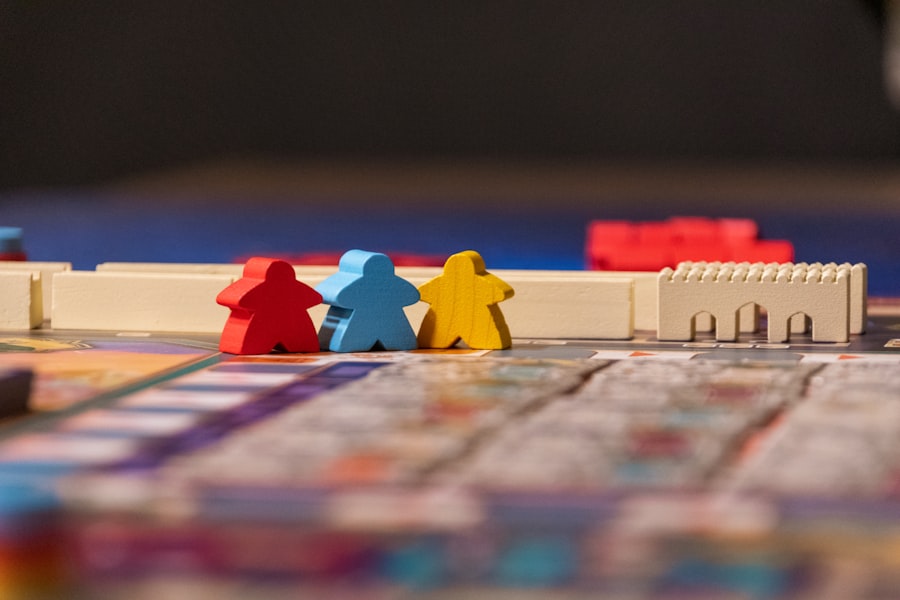
Effective communication and collaboration are at the heart of successful team-building games. When we engage in activities that require us to share ideas and listen to one another, we develop essential skills that are vital for academic success. For instance, consider a game where teams must create a story together, with each member contributing a sentence.
This exercise not only encourages creativity but also necessitates clear communication and active listening. As we pass the story around, we learn to build on each other’s ideas while ensuring that our contributions align with the overall narrative. In our family game nights, we often play charades or Pictionary, which require us to communicate non-verbally or through drawings.
These games teach us how to convey complex ideas succinctly and effectively, skills that are transferable to academic settings such as group discussions or presentations. By fostering an environment where communication is key, we help our children develop confidence in expressing their thoughts and collaborating with others.
Critical Thinking and Problem-Solving: How Team-Building Games Can Enhance Academic Skills
Critical thinking and problem-solving are essential academic skills that can be significantly enhanced through team-building games. When we engage in activities that challenge us to think critically, we learn to analyse situations, evaluate options, and make informed decisions. For example, during a team-based escape room challenge, participants must work together to solve puzzles that require logical reasoning and creative thinking.
As we navigate through the challenges, we develop our ability to think on our feet and approach problems from different angles. In our classrooms, we often incorporate games that require strategic planning and foresight. For instance, a game where teams must build the tallest tower using limited resources encourages us to think critically about materials and design while collaborating with peers.
This not only reinforces engineering concepts but also cultivates an environment where problem-solving becomes second nature. By integrating these skills into our play, we prepare ourselves for the complexities of academic challenges ahead.
Creativity and Innovation: Using Team-Building Games to Develop Academic Skills
Creativity and innovation are vital components of academic success, and team-building games provide an excellent platform for nurturing these skills. When we engage in activities that encourage us to think outside the box, we unlock our potential for creative expression and innovative thinking. For instance, during a game where teams must invent a new product using everyday items, we learn to brainstorm ideas collaboratively while considering practicality and marketability.
In our family gatherings, we often host « Shark Tank » style pitch sessions where each team presents their innovative ideas to a panel of « investors. » This not only fosters creativity but also teaches us how to articulate our thoughts persuasively and respond to feedback constructively. By encouraging creative thinking through play, we help our children develop the confidence to express their ideas and explore new possibilities in their academic pursuits.
Time Management and Organisation: Academic Skills Learned through Team-Building Activities
Time management and organisation are critical skills that can be cultivated through team-building activities. When we participate in games with time constraints, we learn how to prioritise tasks and manage our time effectively. For example, during a timed trivia challenge, teams must quickly answer questions while coordinating their efforts to maximise points.
This experience teaches us how to work efficiently under pressure while ensuring that everyone contributes. In our classrooms, we often organise projects that require careful planning and organisation. For instance, when working on a group presentation, we must allocate roles, set deadlines, and ensure that all materials are prepared in advance.
These experiences not only reinforce academic content but also instil valuable organisational skills that will serve us well throughout our educational journeys.
Leadership and Responsibility: Team-Building Games That Teach Academic Skills
Leadership and responsibility are essential qualities that can be developed through team-building games. When we engage in activities that require us to take charge or support others, we learn the importance of accountability and teamwork. For instance, during a relay race where each team member has a specific role, we must rely on one another to succeed while also taking responsibility for our individual contributions.
In our family dynamics, we often assign leadership roles during game nights or group projects. This allows each member to experience what it means to lead while also understanding the importance of supporting others in their roles. By fostering leadership skills through play, we prepare ourselves for future challenges where collaboration and responsibility will be key.
Adaptability and Flexibility: How Team-Building Activities Can Improve Academic Skills
Adaptability and flexibility are crucial skills in today’s ever-changing world, and team-building activities provide an excellent opportunity to cultivate these traits. When we engage in games that require us to adjust our strategies or approaches based on new information or unexpected challenges, we learn how to be resilient in the face of change. For example, during a game where teams must navigate an obstacle course with changing rules, we develop the ability to think on our feet and adapt quickly.
In our educational settings, we often encounter situations where adaptability is essential for success. Whether it’s adjusting to new curriculum requirements or collaborating with diverse groups of peers, being flexible allows us to thrive academically. By incorporating adaptability into our team-building activities, we equip ourselves with the skills needed to navigate the complexities of both academic and personal challenges.
Resilience and Perseverance: Building Academic Skills through Team-Building Games
Resilience and perseverance are vital qualities that can be nurtured through team-building games. When faced with challenges or setbacks during gameplay, we learn the importance of persistence and maintaining a positive attitude. For instance, during a challenging obstacle course where teams must overcome physical barriers together, we develop resilience as we encourage one another to keep going despite difficulties.
In our classrooms, resilience is equally important when tackling complex subjects or projects. By engaging in team-building activities that promote perseverance, we create an environment where failure is viewed as an opportunity for growth rather than a setback. This mindset fosters a love for learning and encourages us to approach challenges with determination.
Reflection and Feedback: Incorporating Academic Skills into Team-Building Game Discussions
Reflection and feedback are essential components of the learning process, and incorporating these elements into team-building games enhances their educational value. After completing an activity, taking time to discuss what worked well and what could be improved allows us to reflect on our experiences critically. For example, after a collaborative project where teams created presentations on different topics, discussing the strengths and weaknesses of each presentation fosters constructive feedback.
In our family discussions after game nights or group projects, we often emphasise the importance of reflection as a means of growth. By encouraging open dialogue about our experiences, we create an environment where everyone feels valued and heard. This practice not only reinforces academic skills but also cultivates emotional intelligence as we learn how to give and receive feedback graciously.
The Benefits of Integrating Academic Skills into Team-Building Games
In conclusion, integrating academic skills into team-building games offers numerous benefits for both children and adults alike. These activities not only foster collaboration and communication but also enhance critical thinking, creativity, time management, leadership, adaptability, resilience, and reflection—all essential skills for academic success. As we engage in these games within our classrooms or families, we create an environment where learning becomes enjoyable and meaningful.
Moreover, with tools like COCO THINKS and COCO MOVES—our educational app designed specifically for kids and special needs children—we can further enhance this experience by providing interactive games that promote cognitive development while encouraging physical activity. By embracing the power of play as a vehicle for learning, we empower ourselves and future generations to thrive academically while building strong relationships along the way.