

In our fast-paced world, where distractions abound and attention spans seem to dwindle, the concept of brain breaks has emerged as a vital tool for enhancing learning and engagement. We often find ourselves in classrooms or at home, surrounded by the hustle and bustle of daily life, and it becomes increasingly important to carve out moments for our minds to reset. Brain breaks are short, intentional pauses that allow us to recharge, refocus, and reinvigorate our cognitive abilities.
They can take many forms, from simple stretching exercises to quick educational games that stimulate our minds while providing a much-needed respite from traditional learning methods. As we explore the realm of educational games, we discover a treasure trove of opportunities to make learning enjoyable and effective. Our experiences with COCO THINKS and COCO MOVES, an educational app designed for children and those with special needs, have shown us how interactive games can transform mundane lessons into exciting adventures.
By integrating brain breaks with educational games, we not only enhance our understanding of various subjects but also foster a love for learning that can last a lifetime. The combination of play and education creates an environment where we can thrive, making it essential to incorporate these practices into our daily routines.
Benefits of Incorporating Quick Educational Games into Daily Routine
When we think about the benefits of incorporating quick educational games into our daily routine, the advantages are manifold. Firstly, these games serve as an effective way to break the monotony of traditional learning. We all know how easy it is to lose focus during long study sessions or lectures.
By introducing short bursts of engaging activities, we can rejuvenate our minds and maintain a higher level of concentration. For instance, during a lengthy class on mathematics, we might take a five-minute break to play a quick game that reinforces our understanding of numbers and operations. This not only refreshes our minds but also solidifies our grasp of the material.
Moreover, quick educational games can significantly enhance our retention of information. Research has shown that when we engage in playful learning experiences, we are more likely to remember what we’ve learned. This is particularly evident in our family game nights, where we often play trivia games that challenge our knowledge on various topics.
The laughter and friendly competition create a memorable atmosphere that helps us retain facts and concepts far better than rote memorisation ever could. By making these games a regular part of our routine, we can create lasting memories while reinforcing our learning.
Five-Minute Educational Games for Improving Memory and Focus
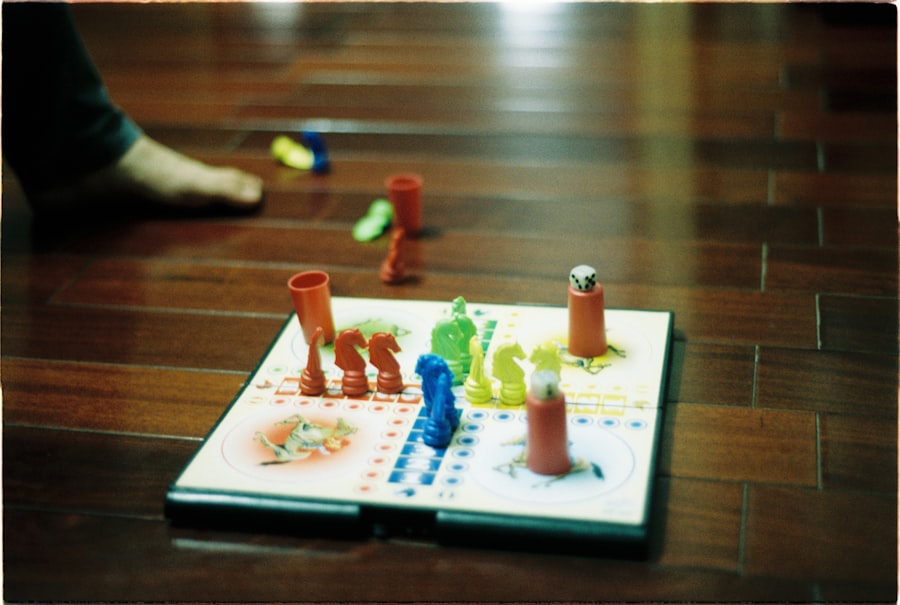
As we delve deeper into the world of quick educational games, we discover a plethora of options designed specifically to improve memory and focus. One such game that has become a staple in our classroom is the « Memory Card Match. » In this game, we create pairs of cards featuring images or words related to the subject matter at hand. For example, if we’re studying animals, we might have cards with pictures of different species alongside their names.
The challenge lies in flipping over two cards at a time to find matching pairs. This not only sharpens our memory but also encourages us to concentrate on the task at hand. Another fantastic five-minute game is « Simon Says, » which we often play during breaks.
This classic game requires us to listen carefully and follow instructions while performing various actions. It’s not just about physical movement; it also demands mental agility as we must remember the sequence of commands given by the leader. By incorporating these quick games into our daily routine, we can significantly enhance our memory retention and focus, making learning more effective and enjoyable.
Engaging Quick Games for Enhancing Problem-Solving Skills
Problem-solving skills are essential in both academic settings and everyday life, and engaging quick games can help us develop these abilities in a fun way. One game that has proven effective in honing our problem-solving skills is « Escape Room Challenges. » We often set up mini escape rooms in our classroom or at home, where we must work together to solve puzzles and riddles within a limited time frame. This not only fosters teamwork but also encourages critical thinking as we navigate through various challenges.
Another engaging game is « 20 Questions, » where one person thinks of an object, and the rest of us must ask yes-or-no questions to deduce what it is. This game sharpens our analytical skills as we learn to formulate questions strategically based on the answers we receive. By incorporating these quick problem-solving games into our routine, we not only enhance our cognitive abilities but also cultivate a sense of camaraderie among peers or family members.
Fun and Fast Educational Games for Boosting Creativity
Creativity is a vital skill that allows us to think outside the box and approach problems from different angles. Fun and fast educational games can serve as excellent catalysts for sparking our imagination. One game that has become a favourite among us is « Story Cubes. » In this game, we roll dice featuring various images and then create a story based on the pictures that appear.
This exercise encourages us to think creatively while developing narrative skills. Another exciting game is « Pictionary, » where we take turns drawing words or phrases while others guess what they are. This not only enhances our artistic abilities but also encourages us to think quickly and creatively under pressure.
By incorporating these fun games into our daily routine, we can nurture our creative instincts while enjoying quality time with friends or family.
Quick Games for Improving Critical Thinking and Decision-Making
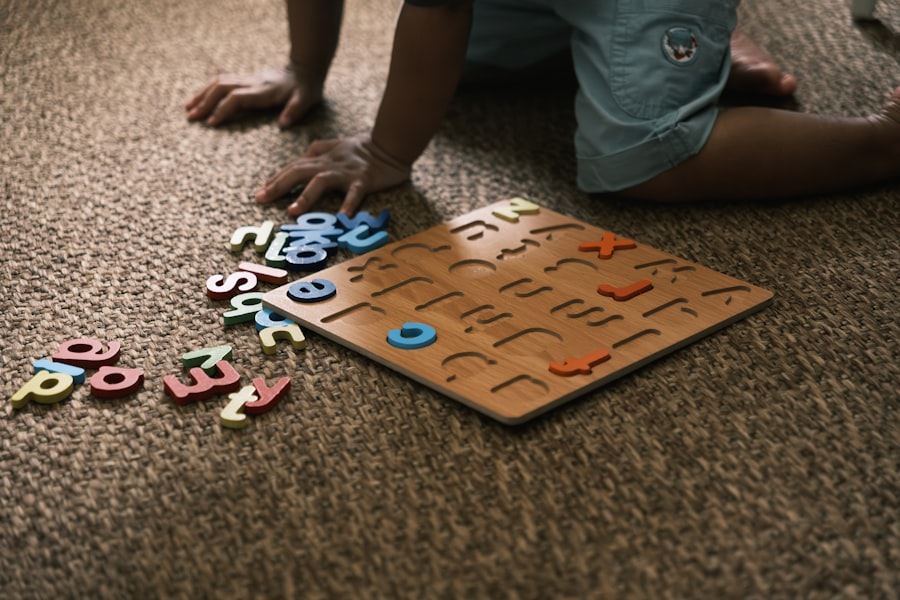
Critical thinking and decision-making are skills that are increasingly important in today’s world, and quick games can help us develop these abilities effectively. One game that has proven beneficial is « Would You Rather, » where we present two scenarios and must choose between them. This game encourages us to weigh the pros and cons of each option while considering different perspectives.
Another excellent game for enhancing critical thinking is « Debate Club, » where we choose a topic and split into teams to argue for or against it. This activity not only sharpens our reasoning skills but also teaches us how to articulate our thoughts clearly and persuasively. By incorporating these quick games into our routine, we can foster critical thinking skills that will serve us well in both academic and real-world situations.
Interactive Educational Games for Encouraging Teamwork and Collaboration
Teamwork and collaboration are essential skills in any setting, whether in school or at home. Interactive educational games provide an excellent platform for us to develop these skills while having fun together. One game that has become a favourite among us is « Human Knot, » where we stand in a circle, hold hands with two different people across from us, and then try to untangle ourselves without letting go.
This activity requires communication, cooperation, and problem-solving as we work together towards a common goal. Another engaging game is « Scavenger Hunt, » where we form teams and search for specific items based on clues provided. This not only fosters teamwork but also encourages us to think creatively as we strategise on how best to find the items on our list.
By incorporating these interactive games into our daily routine, we can strengthen our collaborative skills while building lasting relationships with those around us.
Quick Games for Developing Communication and Language Skills
Effective communication is crucial in all aspects of life, and quick games can help us develop these skills in an enjoyable manner. One game that has proven effective is « Charades, » where one person acts out a word or phrase without speaking while others guess what it is. This game encourages non-verbal communication and helps us become more attuned to body language.
Another fantastic game is « Word Association, » where one person says a word, and the next person must quickly respond with a related word. This fast-paced game not only enhances our vocabulary but also encourages us to think on our feet while communicating effectively with others. By incorporating these quick games into our routine, we can develop strong communication skills that will benefit us throughout our lives.
Educational Games for Learning New Concepts and Information
Learning new concepts can sometimes feel overwhelming, but educational games can make this process enjoyable and engaging. One game that has become a staple in our learning routine is « Jeopardy! » In this quiz-style game, we create categories related to the subject matter we’re studying and compete against each other to answer questions correctly. This format not only reinforces what we’ve learned but also adds an element of excitement to the learning process.
Another effective game is « Flashcard Battles, » where we create flashcards with questions on one side and answers on the other. We take turns quizzing each other while keeping score of correct answers. This interactive approach helps reinforce new information while making learning feel like a friendly competition.
By incorporating these educational games into our routine, we can make learning new concepts an enjoyable experience.
Incorporating Physical Activity into Quick Educational Games for Brain Breaks
Physical activity is essential for maintaining overall well-being, and incorporating it into quick educational games can provide an excellent brain break while enhancing learning outcomes. One fun game that combines movement with education is « Math Relay. » In this game, we set up stations around the room with different math problems to solve. We race from one station to another, solving problems along the way before returning to the starting point.
Another engaging activity is « Alphabet Scavenger Hunt, » where we search for objects around the house or classroom that start with each letter of the alphabet while moving around actively. This not only gets us moving but also reinforces language skills in an enjoyable way. By incorporating physical activity into quick educational games, we can create dynamic brain breaks that invigorate both body and mind.
Making Brain Breaks and Educational Games a Regular Part of Daily Routine
In conclusion, making brain breaks and educational games a regular part of our daily routine is essential for fostering a love for learning while enhancing cognitive abilities. Through our experiences with various quick games—whether they focus on memory improvement, problem-solving skills, creativity enhancement, or teamwork—we have discovered the immense benefits they bring to both academic success and personal growth. As we continue to explore innovative tools like COCO THINKS and COCO MOVES, we recognise the importance of integrating play into education for children and those with special needs.
By embracing these practices in our lives—whether at home or in the classroom—we can create an environment where learning becomes an exciting adventure rather than a chore. Let’s commit to making brain breaks and educational games an integral part of our daily routines so that we can thrive together in this ever-evolving world of knowledge!