

As we embark on the journey of fostering environmental awareness, we find ourselves increasingly drawn to the power of games. Games have a unique ability to engage participants, making learning not only enjoyable but also impactful. We remember a time in our classroom when we played a simulation game about climate change.
The experience was eye-opening; we were not just passive learners but active participants, making decisions that affected the virtual world around us. This hands-on approach allowed us to grasp complex environmental issues in a way that traditional teaching methods often fail to achieve. Moreover, games can serve as a bridge between knowledge and action.
They can inspire us to think critically about our environment and motivate us to make positive changes in our lives. For instance, during a family game night, we played a board game focused on recycling and waste management. As we competed to collect the most recyclable materials, we found ourselves discussing our own habits and how we could improve them.
This blend of fun and education is what makes games an invaluable tool for promoting environmental awareness.
Selecting the Right Game for Environmental Education
When it comes to selecting the right game for environmental education, we must consider several factors to ensure that it aligns with our learning objectives. First and foremost, the game should be age-appropriate and engaging for the target audience. For example, while younger children might enjoy interactive storytelling games that introduce basic concepts of nature conservation, older students may benefit from strategy-based games that challenge them to think critically about resource management.
We also need to evaluate the educational content of the game. Does it accurately represent environmental issues? Does it encourage players to think about their impact on the planet?
In our experience, we have found that games like « Eco-Action » not only entertain but also educate players about biodiversity and ecosystem balance. By carefully selecting games that are both fun and informative, we can create a rich learning experience that resonates with participants.
Incorporating Environmental Themes into Game Play
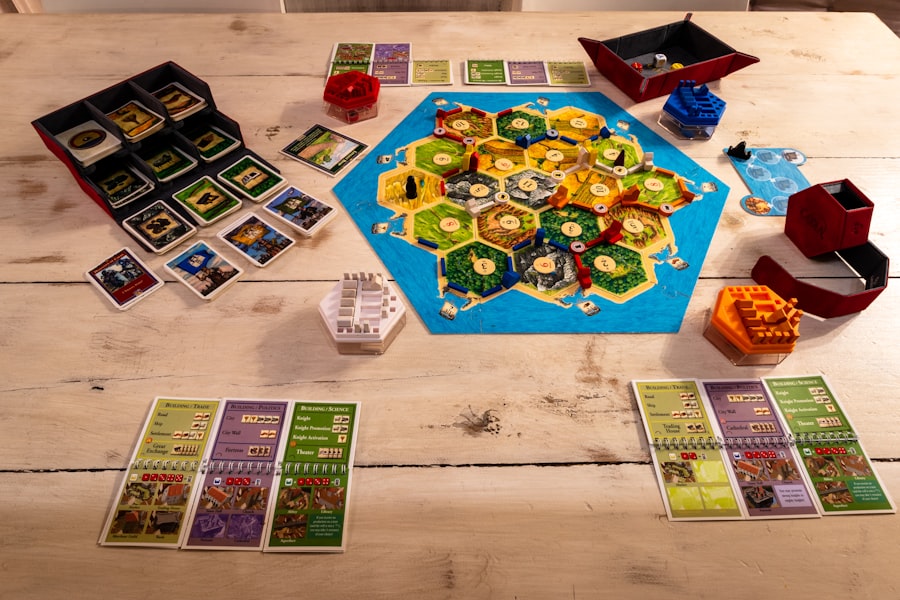
Incorporating environmental themes into gameplay is essential for reinforcing the lessons we want to impart. We can achieve this by weaving relevant topics into the narrative or mechanics of the game. For instance, in a role-playing game where players assume the roles of different animals in an ecosystem, we can highlight the importance of each species and its role in maintaining ecological balance.
This approach not only makes the game more immersive but also deepens our understanding of interdependence in nature. Additionally, we can encourage players to make choices that reflect sustainable practices within the game. For example, in a city-building game, players could be tasked with developing a community while considering factors such as pollution control and renewable energy sources.
By presenting these challenges, we can stimulate discussions about real-world applications and inspire players to adopt similar practices in their daily lives.
Creating a Positive Learning Environment through Games
Creating a positive learning environment is crucial for effective education, and games can play a significant role in this process. When we engage in gameplay, we often find ourselves in a relaxed atmosphere where collaboration and creativity flourish. This sense of camaraderie can lead to open discussions about environmental issues, allowing us to share ideas and perspectives without fear of judgement.
Moreover, games can help reduce anxiety associated with learning complex topics. We recall a time when we were hesitant to discuss climate change due to its overwhelming nature. However, through a cooperative game focused on environmental restoration, we found ourselves discussing solutions and strategies with enthusiasm.
This shift in mindset is vital for fostering a culture of environmental stewardship among participants.
Using Games to Teach Sustainable Practices
Games provide an excellent platform for teaching sustainable practices in an engaging manner. We can design activities that simulate real-world scenarios where players must make decisions that impact their environment. For instance, in a farming simulation game, players could be challenged to grow crops while managing water resources sustainably.
This hands-on experience allows us to explore the consequences of our choices and understand the importance of sustainable agriculture. Furthermore, games can encourage players to adopt eco-friendly habits in their everyday lives. We have seen how simple challenges within games—such as reducing waste or conserving energy—can translate into real-world actions.
By gamifying sustainability, we can motivate participants to take ownership of their environmental impact and inspire them to become advocates for change.
Engaging Participants in Critical Thinking about Environmental Issues
One of the most significant benefits of using games for environmental education is their ability to engage participants in critical thinking. As we navigate through various challenges within a game, we are often required to analyse situations, weigh options, and make informed decisions. This process mirrors the critical thinking skills needed to address real-world environmental issues.
For example, during a class project where we played a simulation game about urban development, we were faced with dilemmas such as balancing economic growth with environmental preservation. This prompted us to discuss the complexities of urban planning and the trade-offs involved in decision-making. By engaging in these discussions, we developed a deeper understanding of the multifaceted nature of environmental challenges.
Promoting Collaboration and Teamwork through Environmental Games
Collaboration and teamwork are essential components of effective environmental education, and games provide an ideal platform for fostering these skills. When we participate in team-based games, we learn to communicate effectively, share ideas, and work towards common goals. This collaborative spirit is particularly important when addressing environmental issues that require collective action.
In our experience, playing cooperative games where teams must work together to solve environmental challenges has been incredibly rewarding. For instance, during a community clean-up simulation game, we had to strategise as a team to maximise our impact while minimising waste. This experience not only strengthened our bonds but also reinforced the idea that collective efforts are crucial for achieving meaningful change.
Evaluating the Effectiveness of Environmental Education Games
To ensure that our chosen games are effective tools for environmental education, it is essential to evaluate their impact on participants’ understanding and behaviour. We can assess effectiveness through various methods, such as surveys or reflective discussions after gameplay sessions. By gathering feedback from participants, we can identify areas for improvement and determine whether the game successfully conveyed its intended messages.
Additionally, tracking changes in participants’ attitudes towards environmental issues can provide valuable insights into the game’s effectiveness. For example, after playing an environmental simulation game, we noticed an increase in our classmates’ willingness to engage in sustainable practices outside of school. This kind of feedback is invaluable as it helps us refine our approach and ensure that our educational efforts are making a tangible difference.
Adapting Games for Different Age Groups and Learning Styles
Adapting games for different age groups and learning styles is crucial for maximising their educational potential. We recognise that not all participants learn in the same way; some may thrive in competitive environments while others prefer collaborative settings. By tailoring games to accommodate diverse learning preferences, we can create inclusive experiences that resonate with everyone.
For younger children, incorporating colourful visuals and simple mechanics can enhance engagement and understanding. In contrast, older students may benefit from more complex strategies and critical thinking challenges. We have found success in modifying existing games or creating new ones that cater specifically to our audience’s needs, ensuring that everyone has an opportunity to learn about environmental issues effectively.
Integrating Technology and Gamification into Environmental Education
In today’s digital age, integrating technology and gamification into environmental education has become increasingly important. We have witnessed how educational apps like COCO THINKS and COCO MOVES can enhance learning experiences for children and those with special needs by providing interactive content that promotes cognitive development and physical activity. These apps offer a range of engaging activities centred around environmental themes, allowing users to explore concepts such as recycling or conservation through fun challenges and games.
By leveraging technology in this way, we can reach a broader audience and create dynamic learning experiences that captivate young minds while instilling essential values related to environmental stewardship.
Resources for Finding and Creating Environmental Education Games
As we continue our quest for effective environmental education through games, it is essential to explore available resources for finding or creating suitable activities. Numerous online platforms offer ready-made educational games focused on various environmental topics; websites like EcoKids or National Geographic Kids provide excellent starting points for educators seeking engaging content. Additionally, collaborating with fellow educators or community members can lead to innovative ideas for creating custom games tailored to specific learning objectives or local environmental issues.
We have found that brainstorming sessions with peers often yield exciting concepts that can be transformed into interactive experiences for learners of all ages. In conclusion, using games as a tool for environmental awareness presents an exciting opportunity for us all—educators, families, and communities alike—to engage with pressing issues while fostering critical thinking and collaboration among participants. By selecting appropriate games, incorporating relevant themes, creating positive learning environments, teaching sustainable practices, promoting teamwork, evaluating effectiveness, adapting for diverse audiences, integrating technology, and utilising available resources, we can create impactful educational experiences that inspire action towards a more sustainable future.