
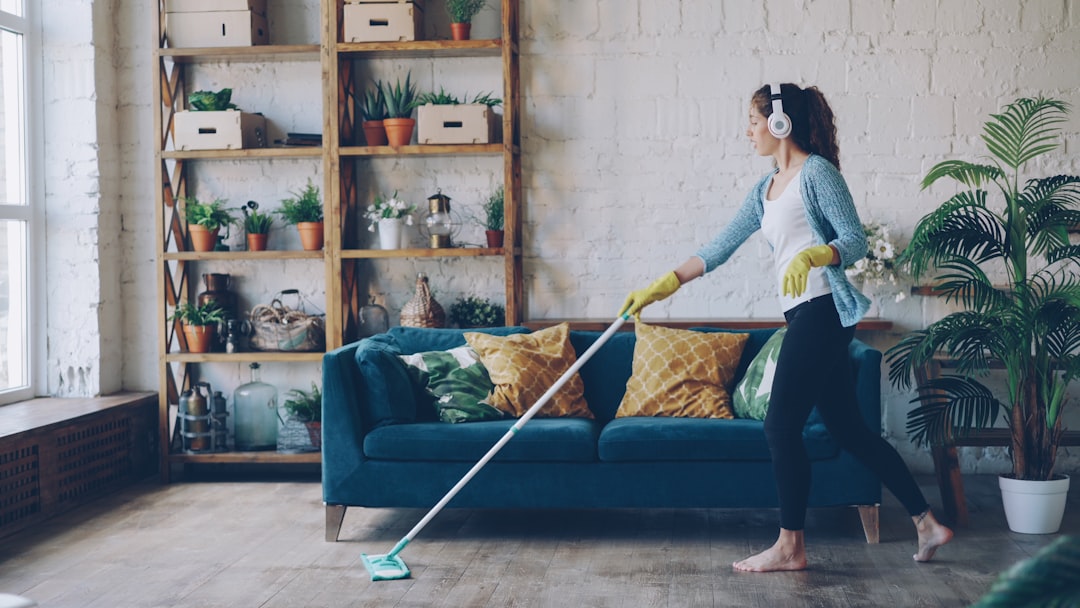
In our busy lives, chores often feel like a burden rather than a necessary part of our daily routine. However, we believe that transforming these mundane tasks into enjoyable activities can significantly enhance our overall experience. By making chores fun, we not only lighten the load but also foster a sense of responsibility and teamwork within our households.
This shift in perspective can lead to a more harmonious living environment, where everyone feels engaged and motivated to contribute. When we approach chores with a playful mindset, we unlock the potential for creativity and collaboration. This article will explore various strategies to gamify chores, making them an enjoyable experience for both children and adults.
By incorporating elements of fun, we can turn what was once a tedious task into an exciting adventure that brings us closer together as a family.
Summary
- Making chores enjoyable increases motivation and engagement.
- Teamwork and collaboration enhance the chore experience.
- Rewards and friendly competition boost productivity and enthusiasm.
- Technology and creativity help personalise and gamify tasks.
- Tracking progress fosters responsibility and a sense of achievement.
Setting the Scene: Creating a Game-Based Chore System
To begin our journey towards making chores enjoyable, we must first establish a game-based chore system. This involves creating a structured yet flexible framework that encourages participation and enthusiasm. We can start by listing all the chores that need to be done around the house and categorising them based on difficulty or time required.
This way, everyone can choose tasks that suit their abilities and preferences. Next, we can introduce a point system to reward completed chores. For instance, we might assign different point values to each task, with more challenging chores earning higher points.
As we complete our tasks, we can accumulate points that can later be exchanged for rewards or privileges, such as a family movie night or an extra hour of screen time. This not only makes chores more appealing but also instils a sense of achievement as we work towards our goals.
Turning Chores into a Team Effort: The Power of Collaboration

One of the most effective ways to make chores enjoyable is by turning them into a team effort. When we collaborate on tasks, we create an atmosphere of camaraderie and support. We can divide larger chores into smaller, manageable parts and assign them to different family members.
For example, while one person vacuums the living room, another can dust the shelves, and yet another can organise the toys. By working together, we can complete tasks more efficiently and enjoyably. Moreover, teamwork fosters communication and strengthens our relationships.
As we tackle chores side by side, we have the opportunity to engage in conversations, share stories, and bond over shared experiences. This collaborative approach not only makes chores more enjoyable but also teaches valuable life skills such as cooperation and problem-solving.
The Role of Rewards: Motivating and Incentivising
In our quest to make chores fun, we cannot overlook the importance of rewards. Incentives play a crucial role in motivating us to complete tasks and can significantly enhance our overall experience. We can establish a reward system that aligns with our family’s values and interests.
For instance, we might offer small rewards for completing individual chores or larger incentives for reaching collective goals. Rewards can take many forms, from tangible items like stickers or treats to experiences such as outings or special activities. By celebrating our achievements with rewards, we reinforce positive behaviour and encourage continued participation in household tasks.
This not only makes chores more enjoyable but also instils a sense of accomplishment and pride in our contributions.
Embracing Creativity: Incorporating Imagination into Chores
Creativity is a powerful tool that can transform mundane tasks into exciting adventures. By incorporating imaginative elements into our chore routine, we can spark enthusiasm and engagement. For example, we might turn cleaning the kitchen into a cooking show challenge, where each family member takes on the role of a chef racing against the clock to tidy up before the « judges » arrive.
We can also encourage our children to come up with their own creative ideas for making chores fun. This could involve creating themed days where we dress up according to a specific theme while completing our tasks or inventing songs or dances related to the chores at hand. By embracing creativity, we not only make chores more enjoyable but also foster a sense of ownership and pride in our contributions.
Adding a Competitive Edge: Friendly Competition to Boost Productivity

Introducing a competitive element to our chore system can further enhance motivation and engagement. We can create friendly competitions among family members to see who can complete their chores the fastest or most efficiently. For instance, we might set a timer for each task and challenge ourselves to beat our previous records.
To make it even more exciting, we could establish leaderboards that track each person’s progress over time. This not only adds an element of fun but also encourages us to push ourselves and strive for improvement. However, it is essential to maintain a spirit of friendly competition, ensuring that everyone feels supported and encouraged rather than pressured.
Incorporating Technology: Using Apps and Gadgets to Gamify Chores
In today’s digital age, technology offers us innovative ways to gamify chores and make them more engaging. We can leverage educational apps like COCO THINKS and COCO MOVES for children aged 5 to 10, which provide interactive games that promote learning while completing household tasks. These apps encourage kids to think critically and creatively while making chores feel like an exciting adventure.
For adults and teenagers, Clint your brain coach offers brain games that challenge cognitive skills while providing motivation for completing tasks around the house. By incorporating these technological tools into our chore routine, we can create an engaging environment that appeals to all ages. The use of apps not only makes chores more enjoyable but also helps us develop essential skills in a fun and interactive way.
Making it Personal: Tailoring Challenges to Individual Interests
To truly engage everyone in our chore system, it is essential to tailor challenges to individual interests and preferences. We can take the time to understand what each family member enjoys or excels at and assign chores accordingly. For instance, if one child loves gardening, they could take charge of maintaining the plants outside, while another who enjoys cooking could be responsible for meal prep.
By personalising chores in this way, we empower each family member to take ownership of their responsibilities while also fostering a sense of pride in their contributions. This approach not only makes chores more enjoyable but also allows us to celebrate each person’s unique talents and interests.
The Power of Progress Tracking: Monitoring and Celebrating Achievements
Tracking our progress is an essential aspect of gamifying chores that helps us stay motivated and engaged. We can create visual charts or use apps to monitor completed tasks and accumulated points over time. By seeing our progress laid out before us, we gain a sense of accomplishment that encourages us to continue working towards our goals.
Celebrating achievements is equally important in this process. We can set aside time each week or month to acknowledge everyone’s hard work and dedication. Whether it’s through small celebrations at home or sharing accomplishments with extended family members, recognising our efforts reinforces positive behaviour and fosters a sense of community within our household.
Encouraging Responsibility: Instilling a Sense of Ownership in Chores
Ultimately, one of the most significant benefits of gamifying chores is the opportunity it provides for instilling responsibility in both children and adults alike. When we actively participate in household tasks as part of a game-based system, we develop a sense of ownership over our contributions. This sense of responsibility extends beyond just completing chores; it encourages us to take pride in maintaining our living environment.
As we engage in this process together as a family, we cultivate essential life skills such as accountability, time management, and teamwork. These skills will serve us well beyond the realm of household chores, preparing us for future challenges in school, work, and personal relationships.
The Lasting Benefits of Game-Based Chores
In conclusion, transforming chores into enjoyable activities through gamification offers numerous benefits for families. By creating a game-based chore system that encourages collaboration, rewards effort, embraces creativity, introduces friendly competition, incorporates technology, personalises challenges, tracks progress, and instils responsibility, we foster an environment where everyone feels engaged and motivated. As we embark on this journey together, we not only lighten the burden of household tasks but also strengthen our relationships and develop valuable life skills along the way.
The lasting benefits of making chores fun extend far beyond the immediate satisfaction of completing tasks; they create lasting memories and build a foundation for teamwork and cooperation within our families for years to come.
To enhance the enjoyment of household chores, incorporating game-based challenges can be a fantastic approach. For further insights on how educational games can foster essential skills in children, you might find the article on the role of educational games in developing critical thinking skills particularly enlightening. This resource explores how engaging children in playful learning can not only make chores more enjoyable but also contribute to their cognitive development.