
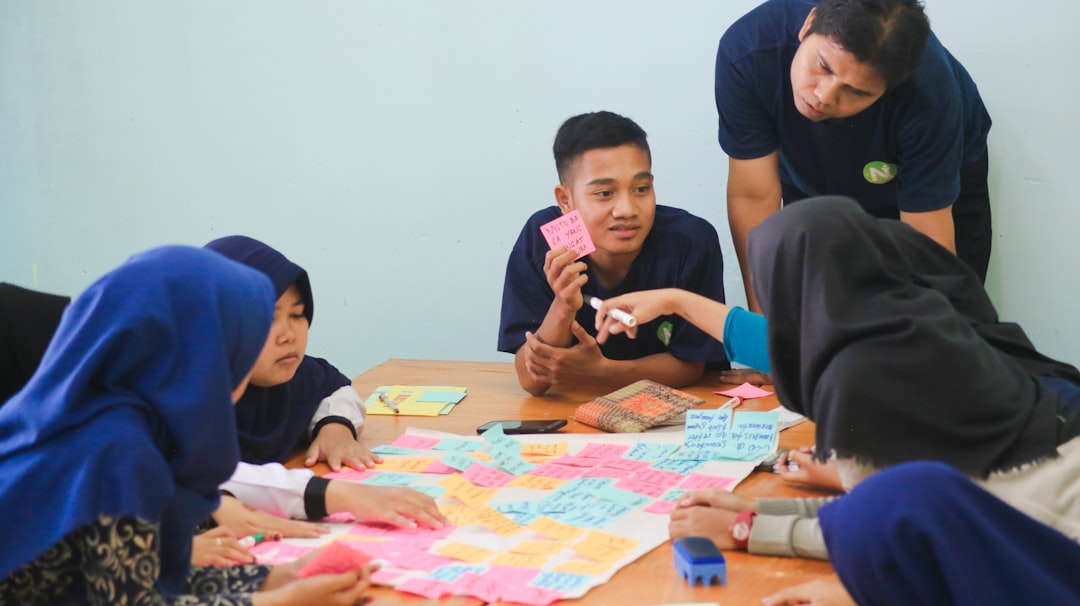
As we embark on the journey of fostering a love for learning in our children, it is essential to create an environment that is both stimulating and supportive. The foundation of this journey begins with setting the stage for learning. We must recognise that children thrive in spaces where they feel safe, engaged, and inspired.
By curating an atmosphere that encourages exploration and curiosity, we can ignite their passion for knowledge. To achieve this, we can incorporate various elements into our learning environment. For instance, we might consider using colourful decorations that reflect educational themes, such as numbers, letters, or even images from nature.
Additionally, we can create designated areas for different activities, allowing children to choose where they want to engage. This autonomy not only empowers them but also fosters a sense of ownership over their learning experience. By integrating resources like COCO THINKS and COCO MOVEs, our educational apps designed for children aged 5 to 10, we can further enhance this environment.
These apps provide interactive and engaging content that aligns with their developmental needs, making learning feel like an adventure rather than a chore.
Summary
- Establish a structured environment to maximise learning potential.
- Select games that are both educational and engaging for children.
- Organise a clear schedule to balance play and learning activities.
- Foster collaboration and communication among participants.
- Reflect on each session to improve future educational playdates.
Choosing Educational Games
When it comes to selecting educational games for our playdates, we must be intentional about our choices. The right games can transform a simple gathering into a rich learning experience. We should look for games that not only entertain but also challenge our children’s cognitive abilities.
For example, we might consider incorporating COCO THINKS, which offers a variety of brain games that stimulate critical thinking and problem-solving skills. These games are designed to be fun while also promoting essential skills such as memory retention and logical reasoning. Moreover, we should also explore options that encourage physical activity and movement.
COCO MOVEs is an excellent choice in this regard, as it combines educational content with physical challenges that keep children active and engaged. By selecting a mix of games that cater to different learning styles and preferences, we can ensure that every child finds something they enjoy. This diversity in game selection not only keeps the energy high but also allows for a more inclusive experience where all children can participate and thrive.
Creating a Schedule
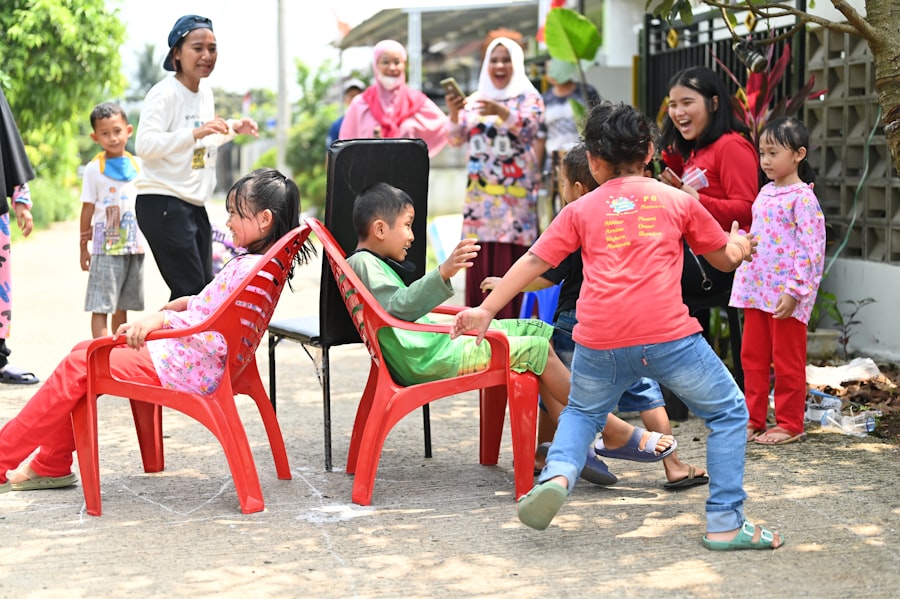
Establishing a well-structured schedule is crucial for maximising the benefits of our educational playdates. A thoughtfully planned agenda helps us maintain focus while allowing for flexibility to adapt to the children’s needs and interests. We can start by outlining the key activities we want to include, such as game time, snack breaks, and creative projects.
By allocating specific time slots for each activity, we create a sense of rhythm that keeps everyone engaged. However, it is equally important to remain adaptable. Children often have their own ideas about what they want to do, and being open to their suggestions can lead to unexpected learning opportunities.
For instance, if a child expresses interest in a particular topic during playtime, we can adjust our schedule to incorporate related activities or discussions. This balance between structure and spontaneity ensures that our playdates are both productive and enjoyable.
Inviting the Right Guests
The success of our educational playdates largely depends on the company we keep. When inviting guests, we should consider not only the children’s friendships but also their individual personalities and learning styles. A diverse group can enrich the experience by bringing different perspectives and ideas to the table.
For example, pairing children who excel in certain subjects with those who may struggle can foster peer learning and collaboration. Additionally, we should also think about including adults who can facilitate discussions or guide activities. Having a mix of parents or caregivers present can provide support and encouragement while also modelling positive social interactions.
This collaborative approach creates a sense of community where everyone feels valued and included, ultimately enhancing the overall learning experience.
Preparing the Space
Creating an inviting and functional space is essential for our educational playdates. We should aim to design an environment that is conducive to both learning and play. This involves arranging furniture in a way that promotes interaction while ensuring there is enough room for movement.
We might consider using cushions or mats for comfortable seating during group activities or discussions. Moreover, we should ensure that all necessary materials are readily available and organised. This could include art supplies, educational games like COCO THINKS and COCO MOVEs, and any other resources we plan to use during the playdate.
By preparing the space in advance, we eliminate distractions and allow the children to focus on their learning experiences without unnecessary interruptions.
Setting Ground Rules
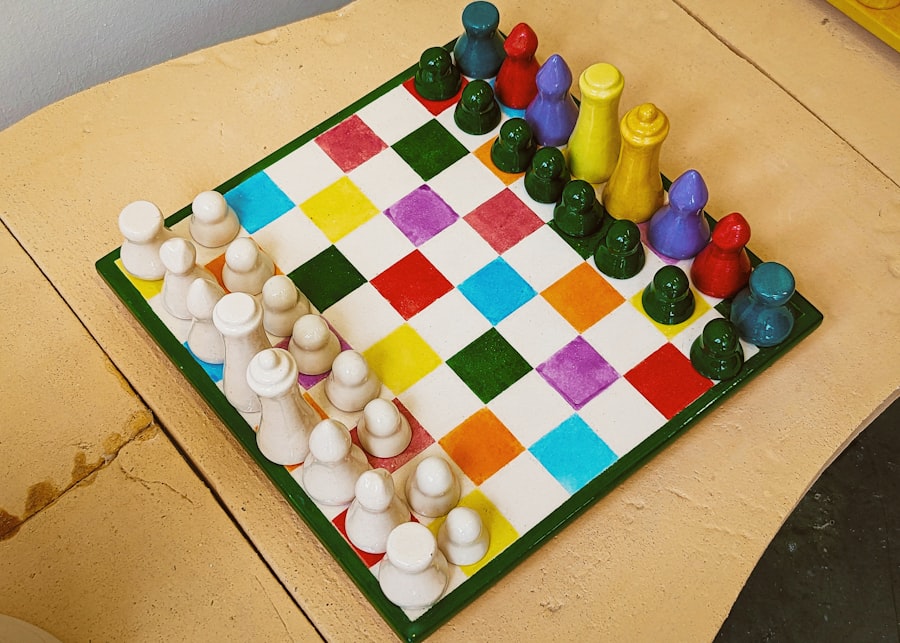
Establishing clear ground rules is vital for creating a respectful and productive environment during our playdates. We should involve the children in this process by encouraging them to contribute their ideas about what makes a good playdate experience. This collaborative approach not only empowers them but also fosters a sense of responsibility for maintaining a positive atmosphere.
Some essential ground rules might include respecting each other’s space, taking turns during games, and listening when someone else is speaking. By reinforcing these guidelines throughout the playdate, we help children develop important social skills such as empathy and cooperation. Additionally, we should remind them that it is perfectly acceptable to make mistakes; after all, learning is often a messy process filled with trial and error.
Facilitating Learning Through Play
As facilitators of learning, our role during playdates is to guide rather than dictate the experience. We should encourage children to explore their interests while providing support when needed. For instance, if a child struggles with a particular game or concept, we can step in with gentle guidance or alternative strategies to help them succeed.
Moreover, we should celebrate their achievements, no matter how small. Positive reinforcement boosts confidence and motivates children to continue engaging with educational content. By using apps like COCO THINKS and COCO MOVEs as tools for learning through play, we can seamlessly integrate fun into education while ensuring that children are developing essential skills along the way.
Providing Healthy Snacks
No educational playdate would be complete without nourishing snacks to keep our little learners energised! We should aim to provide a variety of healthy options that are both appealing and easy to eat. Fresh fruits, vegetable sticks with hummus, or whole-grain crackers are excellent choices that offer essential nutrients without causing energy crashes.
Involving the children in snack preparation can also be a fun activity that teaches them about healthy eating habits. For example, we might set up a mini fruit salad station where they can choose their favourite fruits to mix together. This not only promotes healthy choices but also encourages teamwork and creativity as they collaborate on their culinary creations.
Encouraging Collaboration and Communication
One of the most valuable aspects of educational playdates is the opportunity for children to develop collaboration and communication skills. We should create activities that require teamwork, such as group challenges or cooperative games where they must work together to achieve a common goal. This fosters a sense of camaraderie while teaching them how to navigate social dynamics effectively.
Additionally, we can encourage open communication by providing opportunities for children to share their thoughts and ideas during discussions or reflections on their experiences. By modelling active listening and respectful dialogue ourselves, we set an example for them to follow. This emphasis on collaboration not only enhances their social skills but also prepares them for future group settings in school and beyond.
Reflecting on the Experience
After each educational playdate, it is essential for us to take time to reflect on the experience collectively. We can gather the children in a circle and encourage them to share their favourite moments or what they learned during the day. This reflection process helps reinforce their learning while allowing them to express their thoughts and feelings about the activities.
Moreover, we should also take this opportunity to gather feedback from both children and parents about what worked well and what could be improved for future playdates. This collaborative reflection not only strengthens our community but also ensures that we continuously evolve our approach to meet the needs of all participants.
Planning for Future Educational Playdates
As we conclude one educational playdate, it is time to start planning for the next one! We should consider incorporating feedback from previous gatherings while also exploring new themes or topics that spark interest among the children. By keeping things fresh and exciting, we maintain their enthusiasm for learning through play.
Additionally, we might explore different formats for future playdates—perhaps themed events centred around science experiments or art projects that align with what they are currently studying in school. By remaining flexible and open-minded in our planning process, we create an environment where learning becomes an ongoing adventure rather than a series of isolated events. In conclusion, by thoughtfully setting the stage for learning through engaging activities, healthy snacks, collaboration, and reflection, we can create enriching educational playdates that inspire our children’s love for knowledge while fostering essential life skills along the way.
With tools like COCO THINKS and COCO MOVEs at our disposal, we have endless opportunities to make learning enjoyable and impactful for our young learners!
If you’re looking to enhance the experience of hosting an educational game playdate, you might find it beneficial to explore the article on the impact of gamification on children’s learning experiences. This resource delves into how incorporating game elements can significantly boost engagement and retention in young learners, providing valuable insights that can complement your playdate planning.