
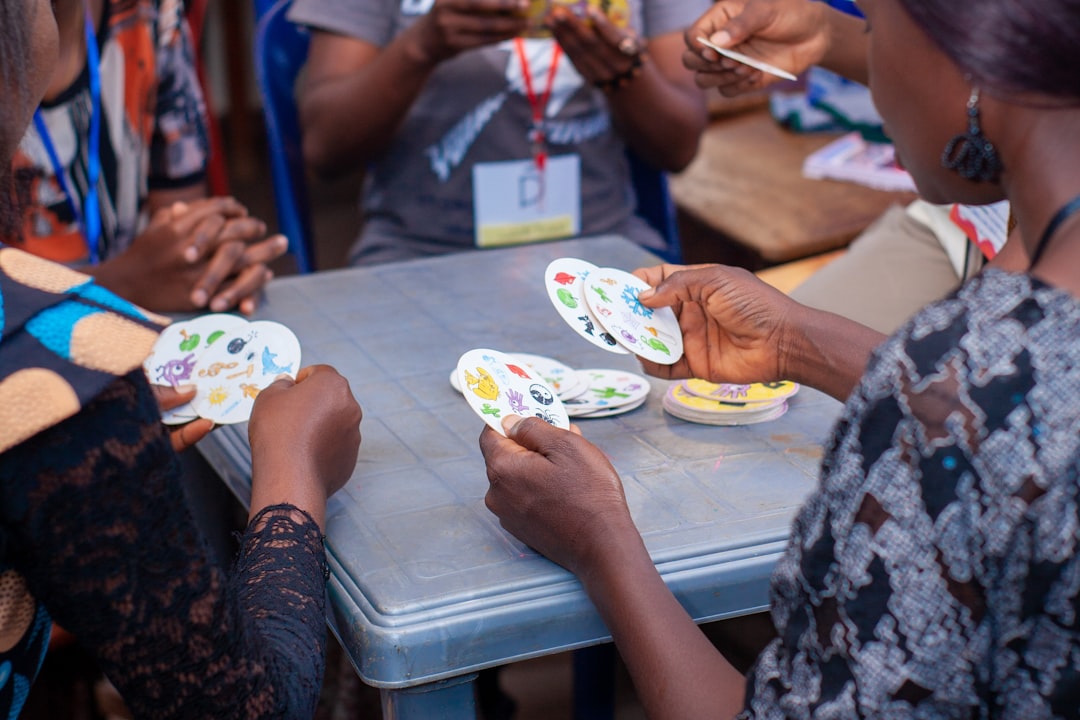
When we delve into the realm of educational apps, particularly those designed for children aged 5 to 10, it is crucial for us to grasp the educational objectives that underpin these tools. At the heart of our offerings, such as COCO THINKS and COCO MOVEs, lies a commitment to fostering cognitive development and enhancing learning through engaging gameplay. We aim to cultivate critical thinking, problem-solving skills, and creativity in young learners.
By aligning our objectives with recognised educational standards, we ensure that our apps not only entertain but also educate. For instance, COCO THINKS focuses on enhancing logical reasoning and memory retention through a variety of puzzles and challenges. We have designed these activities to encourage children to think critically and make connections between concepts.
Similarly, COCO MOVEs promotes physical activity while integrating learning, allowing children to engage in movement-based tasks that reinforce their understanding of subjects like mathematics and language arts. By clearly defining our educational objectives, we create a roadmap that guides the development of our content and ensures that it meets the needs of both children and educators.
Summary
- Clear educational objectives are essential for effective learning game design.
- Game mechanics and feedback systems must align with learning content to enhance engagement.
- Integration with the curriculum ensures relevance and supports classroom use.
- Adaptability and customisation allow games to meet diverse learner needs.
- Teacher and parent involvement, alongside evidence-based research, strengthen educational outcomes.
Assessing the Learning Content
As we evaluate the learning content within our educational apps, we must consider its relevance and appropriateness for our target age group. The content in COCO THINKS and COCO MOVEs is meticulously crafted to align with the developmental stages of children aged 5 to 10. We focus on age-appropriate themes and concepts that resonate with young learners, ensuring that they are both engaging and educational.
Moreover, we incorporate a variety of subjects into our apps, including mathematics, language arts, science, and social studies. This interdisciplinary approach allows us to provide a well-rounded educational experience. For example, in COCO MOVEs, children might solve math problems while performing physical activities, reinforcing their learning through movement.
By assessing the learning content regularly, we can adapt and update it to reflect current educational trends and standards, ensuring that our apps remain relevant and effective.
Examining the Game Mechanics
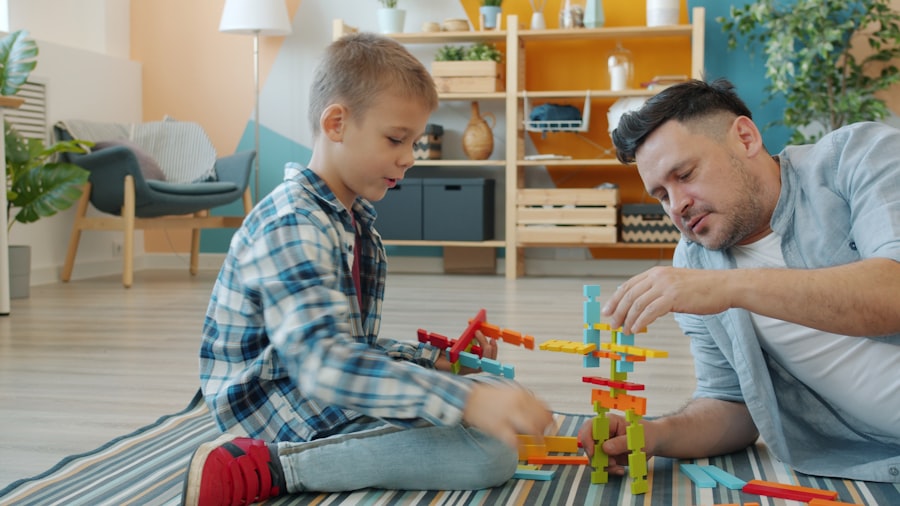
The game mechanics we employ in COCO THINKS and COCO MOVEs play a pivotal role in how children interact with the learning material. We understand that engaging gameplay is essential for maintaining interest and motivation among young learners. Therefore, we have designed our apps with intuitive controls and interactive elements that encourage exploration and experimentation.
In COCO THINKS, for instance, we utilise a variety of puzzle formats that challenge children to think critically while having fun. The mechanics are designed to be simple enough for young users to grasp quickly but complex enough to provide a satisfying challenge. In COCO MOVEs, we incorporate movement-based tasks that require children to physically engage with the content, making learning an active experience.
By examining and refining our game mechanics, we ensure that they not only support educational objectives but also enhance the overall user experience.
Evaluating the Feedback System
An effective feedback system is crucial for guiding learners on their educational journey. In both COCO THINKS and COCO MOVEs, we have implemented a robust feedback mechanism that provides children with immediate responses to their actions. This instant feedback helps them understand their progress and areas for improvement, fostering a growth mindset.
For example, when a child successfully completes a puzzle in COCO THINKS, they receive positive reinforcement through encouraging messages and rewards. Conversely, if they struggle with a task, the app offers hints or alternative strategies to help them succeed. In COCO MOVEs, feedback is integrated into the physical activities; children can see their scores or achievements displayed in real-time, motivating them to continue improving.
By evaluating our feedback system regularly, we can ensure it remains effective in promoting learning and engagement.
Considering the Integration of Curriculum
As we develop our educational apps, we recognise the importance of integrating curriculum standards into our content. Both COCO THINKS and COCO MOVEs are designed to complement existing educational frameworks, making them valuable tools for teachers and parents alike. We strive to align our activities with key learning objectives set forth by educational authorities, ensuring that our apps support classroom learning.
By considering curriculum integration, we can create activities that reinforce what children are learning in school. For instance, if a child is studying addition in their classroom, they can practice similar concepts in COCO THINKS through engaging puzzles that require them to solve addition problems. This alignment not only enhances the educational value of our apps but also provides a seamless transition between school and home learning environments.
Reviewing the Engagement Level

Engagement is a critical factor in the success of any educational app. We understand that for children to learn effectively, they must be actively involved in the learning process. In both COCO THINKS and COCO MOVEs, we have prioritised creating an engaging user experience that captivates young learners’ attention.
To achieve this level of engagement, we incorporate vibrant graphics, captivating storylines, and interactive elements that draw children into the learning experience. For example, in COCO MOVEs, children embark on an adventure where they must complete physical challenges to progress through different levels of the game. This sense of adventure keeps them motivated and eager to learn more.
By regularly reviewing engagement levels through user feedback and analytics, we can make necessary adjustments to enhance the overall experience.
Analyzing the Assessment Methods
Assessment methods are vital for measuring progress and understanding how well children are grasping concepts. In our apps, we employ various assessment techniques that allow us to track individual performance over time. This data not only helps us identify areas where children may need additional support but also informs future updates to our content.
In COCO THINKS, assessments are woven into the gameplay itself; as children complete puzzles and challenges, their scores are recorded and analysed. This allows us to provide tailored recommendations based on their performance. Similarly, in COCO MOVEs, we track physical activity levels alongside cognitive achievements, offering a holistic view of each child’s progress.
By analysing these assessment methods regularly, we can ensure they remain effective in supporting learning outcomes.
Looking at the Adaptability and Customization
Adaptability is key when it comes to catering to diverse learning needs among children. We recognise that each child learns at their own pace and has unique preferences when it comes to engaging with educational content. Therefore, both COCO THINKS and COCO MOVEs are designed with adaptability and customisation in mind.
For instance, in COCO THINKS, children can choose from various difficulty levels based on their individual skills and confidence levels. This allows them to progress at their own pace while still being challenged appropriately. In COCO MOVEs, we offer customisable avatars and settings that enable children to personalise their experience further.
By focusing on adaptability and customisation, we create an inclusive environment where all learners can thrive.
Investigating the Research and Evidence Base
As we develop our educational apps, it is essential for us to ground our content in research and evidence-based practices. We draw upon cognitive science research to inform our design choices and ensure that our apps effectively support learning outcomes. By investigating the latest findings in education and child development, we can create tools that are not only enjoyable but also grounded in proven methodologies.
For example, studies have shown that gamification can enhance motivation and retention among young learners. We have incorporated these principles into both COCO THINKS and COCO MOVEs by using game mechanics that promote active engagement and reward progress. By continually investigating research and evidence bases, we can refine our apps to align with best practices in education.
Considering the Teacher and Parent Involvement
The involvement of teachers and parents is crucial for maximising the impact of educational apps on children’s learning experiences. We recognise that collaboration between home and school environments enhances children’s engagement with our content. Therefore, we have developed features within COCO THINKS and COCO MOVEs that facilitate communication between educators and parents.
For instance, both apps provide progress reports that parents can review alongside teachers to discuss their child’s achievements and areas for improvement. This collaborative approach fosters a supportive learning environment where everyone is invested in the child’s success. By considering teacher and parent involvement in our app design, we create a comprehensive support system for young learners.
Exploring the Long-term Educational Impact
Finally, as we reflect on the long-term educational impact of our apps like COCO THINKS and COCO MOVEs, we recognise the importance of fostering lifelong learning habits in children. Our goal is not only to enhance immediate academic performance but also to instil a love for learning that extends beyond the classroom. By providing engaging content that encourages critical thinking and problem-solving skills, we aim to equip children with the tools they need for future success.
As they progress through our apps, they develop resilience and adaptability—qualities essential for navigating an ever-changing world. Through ongoing evaluation of our apps’ long-term impact on children’s educational journeys, we remain committed to creating meaningful experiences that inspire curiosity and a passion for knowledge. In conclusion, as we continue to develop innovative educational tools like COCO THINKS and COCO MOVEs for young learners aged 5 to 10 years old—and Clint your brain coach for adults—we remain dedicated to understanding educational objectives, assessing content quality, examining game mechanics, evaluating feedback systems, integrating curriculum standards, reviewing engagement levels, analysing assessment methods, ensuring adaptability and customisation, investigating research bases, considering teacher involvement, and exploring long-term impacts on education.
Through this comprehensive approach, we strive to create enriching experiences that empower learners at every stage of their journey.
When assessing the educational value of a game, it can be beneficial to explore the underlying principles of learning through play. A related article,  100vw, 2000px" class="wp-image-380" /></span>
</div><div class="et_pb_module et_pb_text et_pb_text_0_tb_body et_pb_text_align_left et_pb_bg_layout_light">
<div class="et_pb_text_inner"><p style="text-align: center;">COCO THINKS and COCO MOVES</p></div>
</div><div class="et_pb_module et_pb_text et_pb_text_1_tb_body et_pb_text_align_left et_pb_bg_layout_light">
<div class="et_pb_text_inner"><p style="text-align: center;">More than 30 educational games for kids and special need children</p></div>
</div><div class="et_pb_module et_pb_image et_pb_image_1_tb_body">
<a href="https://www.instagram.com/coco_educationalgames/" target="_blank"><span class="et_pb_image_wrap "><img decoding="async" src="https://educational-games-for-kids.com/wp-content/uploads/2024/11/insta.png" alt="" title="insta" srcset="https://educational-games-for-kids.com/wp-content/uploads/2024/11/educational-apps-for-kids-21517.png 300w, https://educational-games-for-kids.com/wp-content/uploads/2024/11/educational-apps-for-kids-21517-150x150.png 150w" sizes="(max-width: 300px) 100vw, 300px" class="wp-image-21517" /></span></a>
</div><div class="et_pb_module et_pb_image et_pb_image_2_tb_body">
<a href="https://www.facebook.com/profile.php/?id=100047611105934" target="_blank"><span class="et_pb_image_wrap "><img decoding="async" src="https://educational-games-for-kids.com/wp-content/uploads/2024/11/facebook-logo-700x600-1.png" alt="" title="facebook-logo-700x600" srcset="https://educational-games-for-kids.com/wp-content/uploads/2024/11/kids-learning-games-21518.png 700w, https://educational-games-for-kids.com/wp-content/uploads/2024/11/kids-learning-games-21518-300x257.png 300w" sizes="(max-width: 700px) 100vw, 700px" class="wp-image-21518" /></span></a>
</div><div class="et_pb_module et_pb_image et_pb_image_3_tb_body">
<a href="https://play.google.com/store/apps/details?id=com.dynseo.stimart.coco.fr&hl=en"><span class="et_pb_image_wrap "><img decoding="async" src="https://educational-games-for-kids.com/wp-content/uploads/2024/10/Mobile-app-store-badge-1.svg" alt="" title="Mobile app store badge (1)" class="wp-image-310" /></span></a>
</div><div class="et_pb_module et_pb_image et_pb_image_4_tb_body">
<a href="https://apps.apple.com/us/app/coco-thinks-and-coco-moves/id1229718769"><span class="et_pb_image_wrap "><img decoding="async" src="https://educational-games-for-kids.com/wp-content/uploads/2024/10/Mobile-app-store-badge.svg" alt="" title="Mobile app store badge" class="wp-image-309" /></span></a>
</div>
</div>
</div><div class="et_pb_row et_pb_row_2_tb_body">
<div class="et_pb_column et_pb_column_3_5 et_pb_column_3_tb_body et_pb_css_mix_blend_mode_passthrough et_pb_column_empty">
</div><div class="et_pb_column et_pb_column_2_5 et_pb_column_4_tb_body et_pb_css_mix_blend_mode_passthrough et-last-child et_pb_column_empty">
</div>
</div>
</div> </div>
</div>
</div>
</div>
</div>
</div>
</div> <!-- ast-container -->
</div><!-- #content -->
<footer itemtype="https://schema.org/WPFooter" itemscope="itemscope" id="colophon" role="contentinfo">
<div class=)