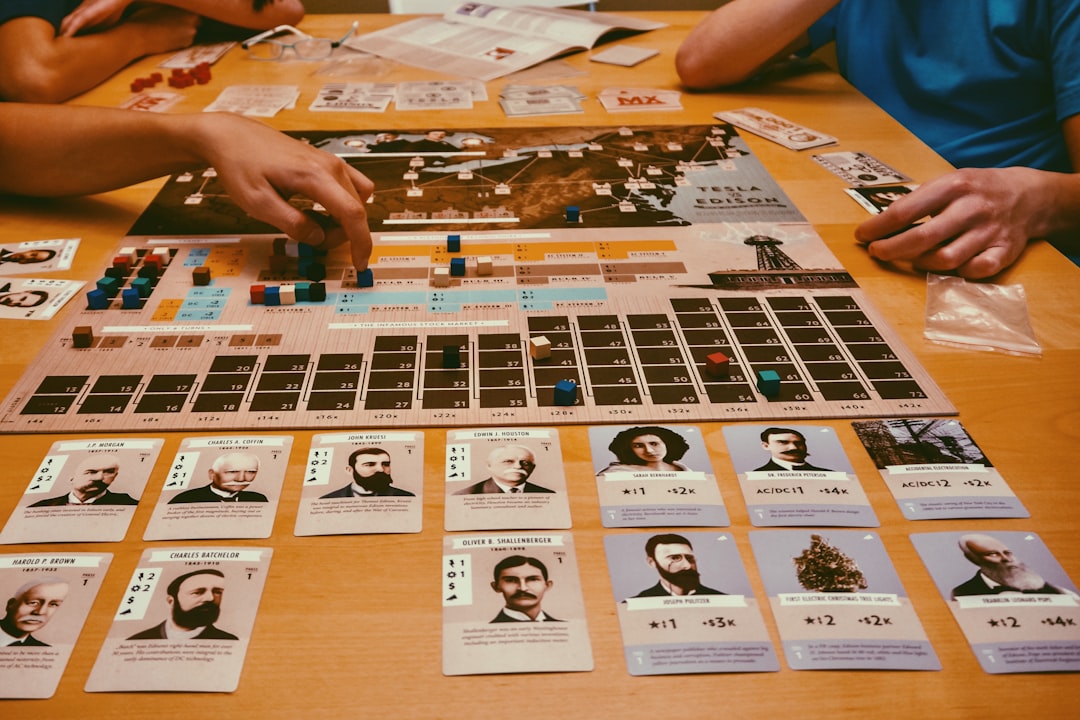
As we gather around the table, the excitement in the air is palpable. Educational board games have become a staple in our classrooms and homes, serving as a bridge between learning and play. These games not only entertain but also foster critical thinking, collaboration, and creativity among players.
We often reminisce about our childhood experiences with board games, recalling how they sparked our imaginations and taught us valuable lessons. Whether it was a simple game of Snakes and Ladders or a more complex strategy game, each experience contributed to our understanding of teamwork and problem-solving. In recent years, the educational landscape has evolved, and we have witnessed a surge in the popularity of board games designed specifically for learning.
These games engage students in a way that traditional teaching methods sometimes cannot. They encourage active participation and allow us to explore concepts in a hands-on manner. As we delve into the world of educational board games, we find ourselves not only creating fun experiences but also nurturing a love for learning that can last a lifetime.
Brainstorming Game Ideas with Students
When we embark on the journey of creating an educational board game, the first step is to brainstorm ideas with our students. This collaborative process is often filled with enthusiasm and creativity. We gather in small groups, armed with colourful markers and large sheets of paper, ready to unleash our imaginations.
Each student brings their unique perspective, and as we share our thoughts, we can feel the energy in the room grow. One student might suggest a game focused on geography, while another proposes a maths challenge that involves racing against the clock. During these brainstorming sessions, we encourage our students to think outside the box.
We ask them questions that prompt deeper thinking: What subjects do they find most engaging? What types of games do they enjoy playing? By tapping into their interests, we can create a game that resonates with them on a personal level.
For instance, one memorable session led to the idea of a game that combined elements of history and storytelling, allowing players to step into the shoes of historical figures and navigate their challenges. This collaborative spirit not only fosters creativity but also builds a sense of ownership among students as they contribute to the game’s development.
Designing the Game Board and Pieces
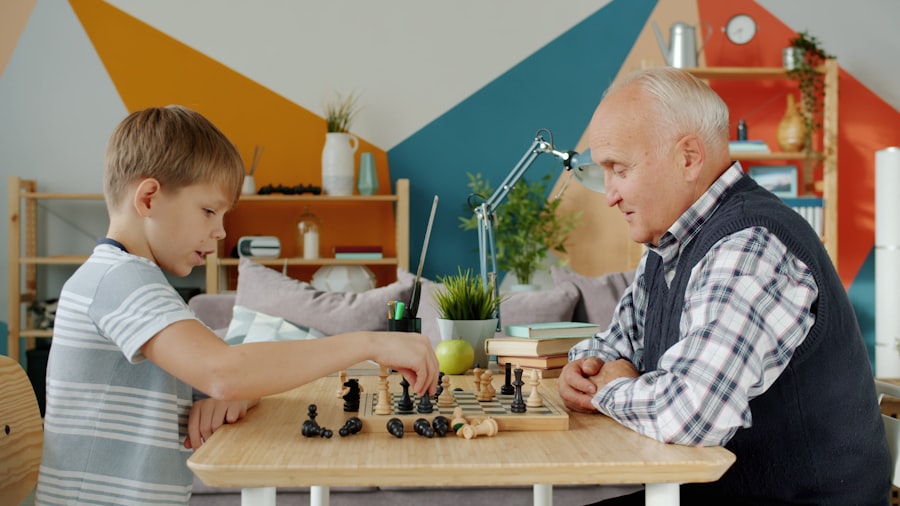
Once we have settled on an idea, the next step is to design the game board and pieces. This is where our artistic skills come into play, and we often find ourselves lost in a world of colours and shapes. We gather materials such as cardboard, markers, and scissors, transforming our ideas into tangible creations.
As we sketch out the layout of the board, we consider how to make it visually appealing while also functional. The design must reflect the theme of the game while providing clear pathways for players to navigate. Creating game pieces is equally exciting.
We brainstorm different shapes and characters that will represent players on the board. Some students might choose to create miniature figures of historical figures or animals related to the game’s theme. Others may opt for tokens that represent different resources or challenges within the game.
This hands-on approach not only enhances our creativity but also allows us to develop fine motor skills as we cut, glue, and assemble our designs. The moment we see our ideas come to life is truly rewarding, igniting a sense of pride in our collaborative efforts.
Incorporating Educational Content
As we design our game, it becomes crucial to weave educational content seamlessly into its fabric. We want players to learn while having fun, so we brainstorm ways to incorporate key concepts related to the subject matter. For instance, if our game revolves around science, we might include trivia questions or challenges that require players to solve problems using scientific principles.
This integration ensures that learning is not an afterthought but rather an integral part of the gameplay experience. To enhance this educational aspect further, we often turn to resources such as COCO THINKS and COCO MOVES, our educational app designed for kids and special needs children. These platforms provide us with a wealth of ideas for incorporating cognitive challenges and physical activities into our games.
For example, we might create a challenge where players must complete a puzzle related to a scientific concept before advancing on the board. By blending educational content with engaging gameplay, we create an environment where learning becomes an adventure rather than a chore.
Developing Game Rules and Instructions
With our game board and pieces taking shape, it’s time to develop clear rules and instructions that will guide players through their experience. This step is crucial; without well-defined rules, even the most exciting game can become confusing and frustrating. We gather as a group to discuss how the game will be played, considering aspects such as turn-taking, scoring systems, and special actions that players can take during their turns.
We often draft multiple versions of the rules, testing them out as we go along. This iterative process allows us to refine our instructions based on feedback from our peers. We aim for clarity and simplicity while ensuring that the rules align with the educational objectives of the game.
For instance, if our game involves answering questions correctly to advance, we make sure that players understand how many questions they need to answer and what happens if they answer incorrectly. By creating comprehensive yet accessible rules, we empower players to engage fully with the game without feeling overwhelmed.
Testing and Revising the Game
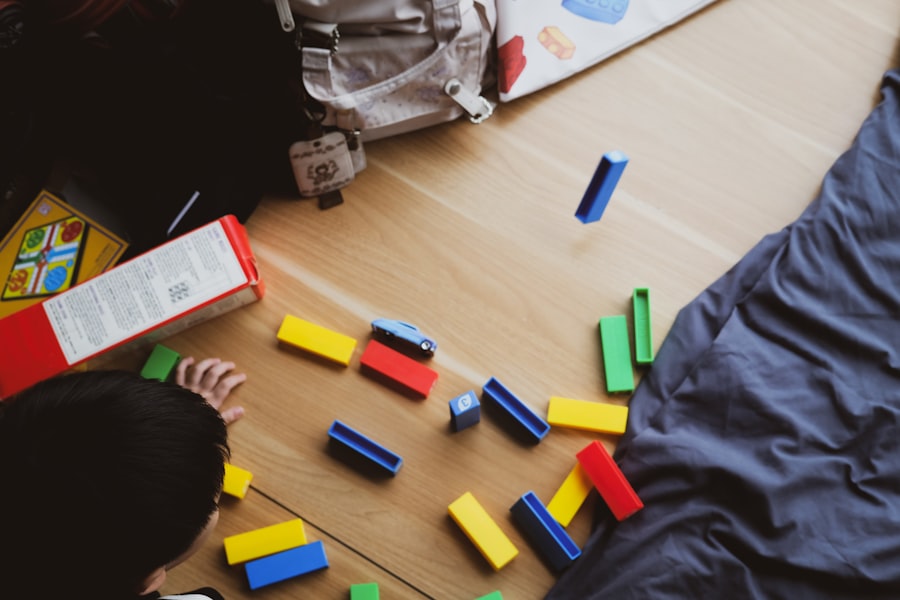
Once we have established our rules and instructions, it’s time for the most exciting part: testing the game! We gather a group of classmates or family members to playtest our creation. This stage is filled with anticipation as we watch others interact with our game for the first time.
We take notes on their reactions, observing what works well and what needs improvement. Sometimes, players may struggle with certain aspects of gameplay or find certain elements confusing. After each playtest session, we convene to discuss feedback and brainstorm revisions.
This collaborative reflection allows us to make necessary adjustments while keeping the spirit of the game intact. For example, during one testing session, we realised that players were getting stuck on a particular challenge that was too difficult for their age group. By simplifying that challenge or providing hints within the game, we could enhance the overall experience without compromising its educational value.
Adding Visual and Graphic Elements
As our game begins to take shape both in terms of gameplay and rules, we turn our attention to adding visual and graphic elements that will enhance its appeal. This is where our artistic flair shines through once again! We brainstorm ideas for illustrations that will adorn the game board and pieces, ensuring they align with the theme we’ve chosen.
Whether it’s vibrant landscapes for a geography-themed game or whimsical characters for a story-based adventure, these visuals play a crucial role in drawing players into the world we’ve created. We also consider how colour schemes can influence gameplay; bright colours can evoke excitement while softer tones may create a calming atmosphere. As we work on these elements together, we often share tips on design techniques we’ve learned from art classes or online resources.
The process becomes an opportunity for us to learn from one another while creating something truly unique that reflects our collective vision.
Printing and Assembling the Game
With all components designed and finalised, it’s time for printing and assembling our educational board game! This stage is both thrilling and nerve-wracking as we see our hard work come together in physical form. We gather materials such as high-quality paper for printing the game board and cards while ensuring that everything is durable enough for repeated use.
As we assemble each piece—cutting out cards, gluing tokens together—we feel a sense of accomplishment wash over us. It’s rewarding to see how all our brainstorming sessions, designs, and revisions have culminated in this tangible product. We often take turns sharing stories about what inspired certain elements or how specific challenges were overcome during development.
The camaraderie built during this process strengthens our bond as creators.
Incorporating Technology into Board Games
In today’s digital age, incorporating technology into board games can elevate the experience even further. We explore ways to integrate digital elements into our creation by using apps like COCO THINKS or COCO MOVES as supplementary tools for gameplay. For instance, players could use tablets or smartphones to access additional challenges or interactive quizzes related to the game’s theme.
This integration not only enhances engagement but also allows us to cater to diverse learning styles among players—some may thrive on visual stimuli while others prefer hands-on activities. By blending traditional board gaming with technology, we create an innovative experience that resonates with today’s learners while still honouring classic gameplay mechanics.
Hosting a Game Showcase or Tournament
After months of hard work and dedication, it’s time for us to showcase our educational board games! We organise a game showcase or tournament where students from different classes can come together to play each other’s creations. The excitement is palpable as we set up tables adorned with colourful boards and pieces ready for action.
During this event, we take turns explaining our games’ objectives and rules while encouraging others to join in on the fun! Watching classmates engage with our creations fills us with pride; it’s gratifying to see how much effort has gone into each design paying off in real-time interactions among players. The tournament atmosphere fosters friendly competition while reinforcing teamwork—players cheer each other on as they navigate challenges together.
Reflecting and Evaluating the Game Creation Process
As the dust settles after our showcase event, it’s essential for us to take time for reflection on this entire journey of creating educational board games together. We gather once more as a group—this time focusing on evaluating what worked well throughout each stage of development while identifying areas where improvements could be made in future projects. We discuss everything from brainstorming sessions through testing phases—what did we learn about collaboration?
How did feedback shape our final products? By engaging in this reflective practice collectively, we deepen our understanding not only about game design but also about teamwork dynamics within creative projects. In conclusion, creating educational board games has been an enriching experience for all of us involved—from brainstorming ideas through testing final products together!
These collaborative efforts have fostered creativity while reinforcing important lessons about learning through play—an invaluable takeaway that will stay with us long after this project concludes!