
As we embark on the journey of understanding the needs of children with physical disabilities, it becomes evident that each child is unique, with their own set of challenges and strengths. We must recognise that physical disabilities can manifest in various forms, ranging from mobility impairments to fine motor difficulties. This diversity necessitates a tailored approach to ensure that every child can engage in activities that promote their development and enjoyment.
In our exploration, we should consider the emotional and social aspects of these children’s lives. Many children with physical disabilities may experience feelings of isolation or frustration due to their limitations. By fostering an inclusive environment, we can help them build confidence and self-esteem.
Our educational app, COCO THINKS, is designed to cater to children in K12, providing them with engaging content that encourages cognitive development while being mindful of their physical needs. Through interactive games and activities, we can create a space where children feel empowered and valued.
Summary
- Select board games that cater to the specific physical abilities and interests of children with disabilities.
- Modify game components and rules to ensure accessibility and inclusivity for all players.
- Use assistive devices and create a comfortable environment to enhance participation.
- Encourage independence while offering support as needed to foster confidence.
- Promote social interaction, celebrate achievements, and seek feedback from the children themselves.
Choosing the Right Board Games for Children with Physical Disabilities
When it comes to selecting board games for children with physical disabilities, we must prioritise accessibility and engagement. The right game can serve as a powerful tool for learning and social interaction. We should look for games that are designed with inclusivity in mind, featuring larger pieces, simplified rules, and adaptable components.
For instance, games that require minimal fine motor skills or those that can be played with larger tokens can be particularly beneficial. We might also consider games that encourage teamwork and collaboration, allowing children to work together towards a common goal. By choosing games that align with their interests and abilities, we can create an enjoyable experience that fosters both learning and socialisation.
Modifying Game Components for Accessibility
To ensure that all children can participate fully in board games, we may need to modify certain components for accessibility. This could involve creating larger game pieces or using tactile materials that are easier to grip. We can also explore the use of adaptive tools, such as game boards with raised edges or magnetic pieces that stay in place during play.
In our efforts to make games more accessible, we should also consider the sensory aspects of gameplay. For example, incorporating bright colours or textured surfaces can enhance the experience for children with visual or tactile sensitivities. By making these modifications, we not only promote inclusivity but also demonstrate our commitment to creating an environment where every child can thrive.
Adapting Rules and Gameplay for Inclusivity
Adapting the rules and gameplay of board games is another crucial step in ensuring inclusivity for children with physical disabilities. We should be open to modifying game mechanics to accommodate different abilities while maintaining the essence of the game. This might involve simplifying rules or allowing for alternative methods of play that align with each child’s capabilities.
For example, if a game requires rolling dice, we could introduce a spinner or cards that dictate actions instead. This allows children who may struggle with fine motor skills to participate without feeling excluded. By being flexible and creative in our approach, we can create a gaming experience that is enjoyable for everyone involved.
Incorporating Assistive Devices and Tools
Incorporating assistive devices and tools into gameplay can significantly enhance the experience for children with physical disabilities. These tools can range from adaptive controllers to specialised grips that make it easier for children to handle game pieces. By integrating these devices into our gaming sessions, we can empower children to engage more fully in the activity.
We might also consider using technology to support gameplay. For instance, our educational app COCO MOVES offers interactive features that can complement traditional board games. By blending digital and physical play, we can create a dynamic environment that caters to various learning styles and abilities.
Creating a Comfortable and Accessible Gaming Environment
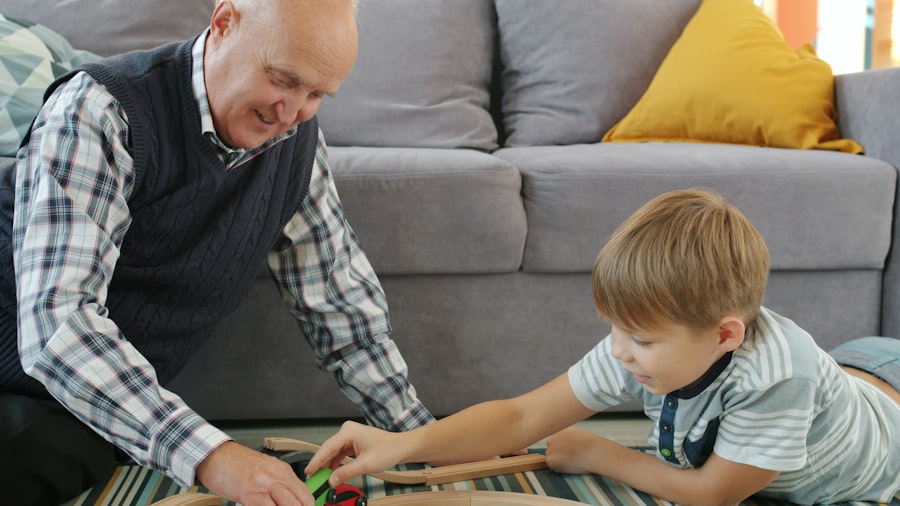
Creating a comfortable and accessible gaming environment is essential for fostering an inclusive atmosphere. We should ensure that the space is free from obstacles and is equipped with appropriate seating arrangements that accommodate different mobility needs. This might involve using adjustable tables or providing cushions for added comfort.
Additionally, we should pay attention to the sensory aspects of the environment. A well-lit space with minimal distractions can help children focus on the game while reducing anxiety. By thoughtfully designing our gaming environment, we can create a welcoming space where children feel safe and encouraged to participate.
Encouraging Independence and Autonomy in Gameplay
Encouraging independence and autonomy in gameplay is vital for building confidence in children with physical disabilities. We should strive to create opportunities for them to make choices and take ownership of their gaming experience. This could involve allowing them to select the games they want to play or giving them the freedom to set their own pace during gameplay.
By fostering a sense of autonomy, we empower children to express themselves and develop problem-solving skills. Our educational app COCO THINKS encourages this independence by offering various levels of difficulty and allowing children to progress at their own pace. This approach not only enhances their learning experience but also instils a sense of accomplishment.
Providing Support and Assistance When Needed
While promoting independence is important, we must also recognise when children may need support or assistance during gameplay. It is essential to strike a balance between encouraging autonomy and being available to help when necessary. We should be attentive to each child’s cues and offer guidance without taking over the game.
For instance, if a child is struggling with a particular aspect of the game, we can provide gentle prompts or suggestions to help them navigate the challenge. By being present and supportive, we create an environment where children feel comfortable seeking help when needed, ultimately enhancing their overall experience.
Promoting Social Interaction and Communication
Board games are an excellent medium for promoting social interaction and communication among children with physical disabilities. We should encourage collaborative play, where children work together towards common goals or engage in friendly competition. This not only fosters teamwork but also helps develop essential social skills.
In our gaming sessions, we can facilitate discussions about strategies or encourage players to share their thoughts on the game. By creating opportunities for dialogue, we enhance communication skills while building connections among participants. Our online training courses for families and SENDCo teachers provide valuable insights into fostering social interaction in various settings, ensuring that everyone has the tools they need to support children’s development.
Celebrating Achievements and Successes
Celebrating achievements and successes is crucial for boosting morale and motivation among children with physical disabilities. We should take the time to acknowledge their efforts, whether big or small, during gameplay. This could involve verbal praise, certificates of achievement, or even small rewards that recognise their accomplishments.
By celebrating successes, we reinforce positive behaviour and encourage children to continue engaging in activities that challenge them. Our educational app COCO MOVES incorporates gamification elements that reward progress, making learning fun while recognising individual achievements along the way.
Seeking Feedback and Input from Children with Physical Disabilities
Finally, seeking feedback and input from children with physical disabilities is essential for creating an inclusive gaming experience. We should actively encourage them to share their thoughts on the games they play and any modifications they feel would enhance their experience. By valuing their opinions, we demonstrate respect for their autonomy and individuality.
Incorporating their feedback into our approach allows us to continually improve our offerings, whether through board games or our educational apps like COCO THINKS and COCO MOVES. By listening to children’s voices, we create a more inclusive environment where they feel heard and valued. In conclusion, by understanding the needs of children with physical disabilities and implementing thoughtful strategies in our gaming practices, we can create an enriching experience that promotes learning, social interaction, and personal growth.
Through our commitment to inclusivity, we empower these children to thrive both in gameplay and beyond.
When considering how to adapt board games for children with physical disabilities, it can be beneficial to explore resources that focus on developing fine motor skills. An insightful article on this topic is The Best Educational Games for Developing Fine Motor Skills, which provides various game ideas and activities that can be tailored to meet the needs of children with different abilities. By integrating these strategies, caregivers and educators can create a more inclusive gaming experience that fosters engagement and skill development.