
In today’s fast-paced digital world, educational games have emerged as a powerful tool for enhancing learning experiences for children. These interactive platforms not only entertain but also educate, making the process of acquiring knowledge enjoyable and engaging. As we delve into the realm of educational games, we find that they are designed to cater to various learning styles and developmental stages, ensuring that every child can benefit from them.
With the rise of technology, we have witnessed a significant shift in how children interact with educational content, and this shift has opened up new avenues for learning. At the heart of this evolution are applications like COCO THINKS and COCO MOVES, which are specifically tailored for children aged 5 to 10. These apps combine fun and education, allowing children to explore concepts in a playful manner.
Meanwhile, for older audiences, Clint, our brain coach app, offers a range of brain games aimed at adults and teenagers, promoting cognitive development and mental agility. Together, these tools represent a comprehensive approach to learning that transcends traditional methods.
Summary
- Educational games offer engaging ways to support children’s learning and development.
- Age-appropriate games ensure content matches a child’s cognitive and emotional stage.
- These games adapt to individual learning levels, promoting personalised education.
- Educational games aid cognitive growth and help develop essential social skills.
- Integrating games thoughtfully into routines maximises their educational impact.
The Benefits of Educational Games for Children
The advantages of educational games for children are manifold. Firstly, they foster a love for learning by transforming mundane subjects into exciting challenges. When children engage with educational games, they are more likely to retain information and develop a positive attitude towards education.
This intrinsic motivation is crucial in nurturing lifelong learners who are eager to explore new ideas and concepts. Moreover, educational games often incorporate elements of competition and achievement, which can significantly boost a child’s self-esteem. As they progress through levels or complete tasks, they experience a sense of accomplishment that reinforces their desire to learn.
For instance, COCO THINKS encourages children to solve puzzles and riddles that stimulate critical thinking while providing instant feedback on their performance. This immediate reinforcement helps children understand their strengths and areas for improvement.
Age-Appropriate Educational Games
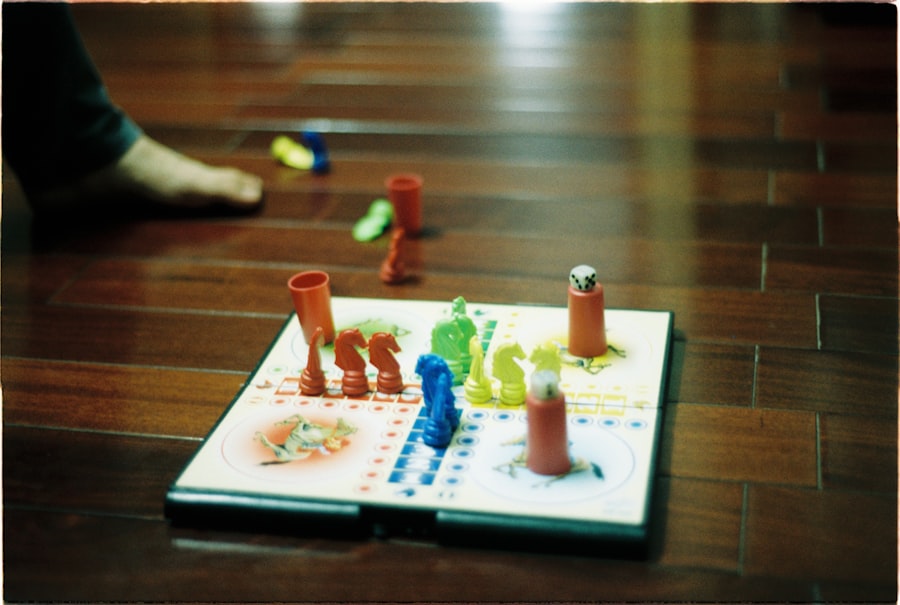
Selecting age-appropriate educational games is essential for maximising their effectiveness. Games designed for younger children often focus on foundational skills such as basic mathematics, language development, and problem-solving. For instance, COCO MOVES incorporates physical activity into learning, making it ideal for energetic youngsters who benefit from kinesthetic learning experiences.
As children grow older, their cognitive abilities expand, allowing for more complex games that challenge their reasoning and analytical skills. Educational games for older children may delve into subjects like science, history, or advanced mathematics. By ensuring that the games align with a child’s developmental stage, we can create an environment where learning feels natural and enjoyable.
How Educational Games Adapt to Your Child’s Learning Level
One of the remarkable features of modern educational games is their ability to adapt to a child’s individual learning level. This adaptability ensures that each child is challenged appropriately without feeling overwhelmed or bored. For example, COCO THINKS uses algorithms to assess a child’s performance and adjust the difficulty of tasks accordingly.
This personalised approach allows children to progress at their own pace while still being engaged in the learning process. Furthermore, this adaptability fosters resilience in children. When they encounter challenges that are tailored to their skill level, they learn to persevere and develop problem-solving strategies.
This not only enhances their cognitive abilities but also instils a growth mindset that encourages them to embrace challenges in other areas of their lives.
The Role of Educational Games in Cognitive Development
Educational games play a pivotal role in cognitive development by stimulating various areas of the brain. Through interactive gameplay, children enhance their memory, attention span, and critical thinking skills. For instance, games that require strategic planning or logical reasoning encourage children to think critically about their choices and outcomes.
Additionally, educational games often involve multi-tasking and decision-making under pressure, which can improve executive functioning skills. As children navigate through different scenarios in games like COCO MOVES, they learn to manage their time effectively and prioritise tasks. These skills are not only beneficial in academic settings but also in everyday life situations.
Educational Games and Social Skills
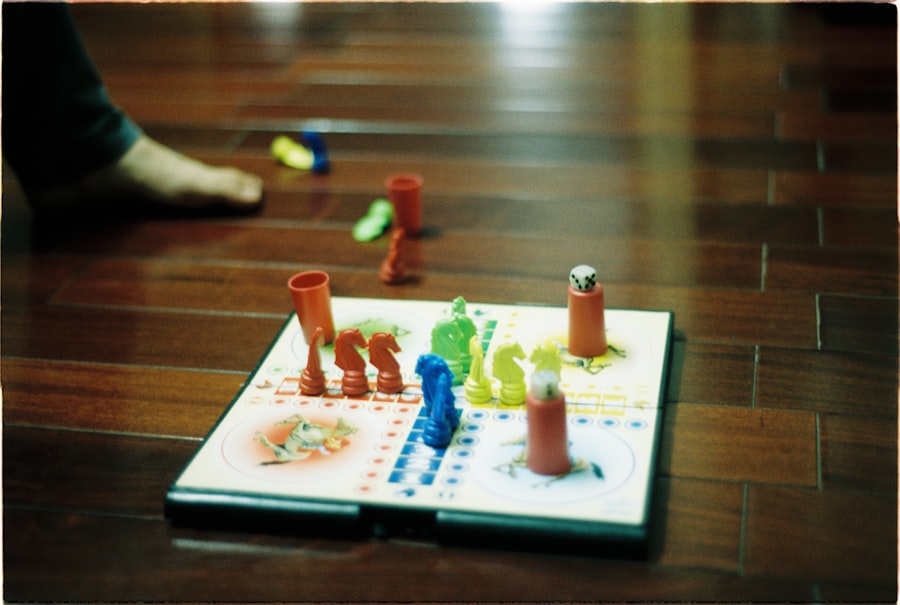
Beyond cognitive development, educational games also contribute significantly to the development of social skills. Many games encourage collaboration and teamwork, allowing children to interact with peers while working towards common goals. This social interaction is vital for developing communication skills and understanding the importance of cooperation.
For example, multiplayer features in educational games can foster friendships as children engage in friendly competition or collaborate on challenges. These interactions help them learn valuable lessons about empathy, respect, and conflict resolution. By incorporating social elements into gameplay, we can create opportunities for children to build meaningful relationships while enhancing their learning experiences.
Choosing the Right Educational Games for Your Child
When it comes to selecting the right educational games for our children, it is essential to consider their interests and learning preferences. We should look for games that align with their passions while also challenging them academically. For instance, if a child enjoys storytelling, we might choose games that incorporate narrative elements alongside educational content.
Additionally, it is crucial to evaluate the quality of the game itself. We should seek out apps like COCO THINKS and COCO MOVES that are designed by experts in education and child development. These high-quality resources ensure that our children are receiving effective instruction while having fun.
Educational Games for Different Learning Styles
Every child has a unique learning style that influences how they absorb information. Some may be visual learners who benefit from colourful graphics and animations, while others may be auditory learners who thrive on verbal instructions and sound effects. Educational games can cater to these diverse learning styles by incorporating various sensory elements.
For instance, COCO MOVES integrates movement with learning, appealing to kinesthetic learners who grasp concepts better through physical activity. By offering a range of educational games that address different learning styles, we can ensure that every child has the opportunity to succeed academically while enjoying the process.
Incorporating Educational Games into Your Child’s Routine
Integrating educational games into our children’s daily routines can be an effective way to enhance their learning experiences without overwhelming them. We can set aside specific times during the week for game-based learning sessions, ensuring that these activities complement traditional education rather than replace it. Moreover, we can encourage our children to share what they have learned through these games with family members or friends.
This not only reinforces their understanding but also creates opportunities for discussion and further exploration of topics covered in the games.
Tips for Maximising the Educational Benefits of Games
To maximise the educational benefits of games like COCO THINKS and COCO MOVES, we can implement several strategies. Firstly, we should actively engage with our children during gameplay by asking questions and encouraging them to explain their thought processes. This interaction deepens their understanding and promotes critical thinking.
Secondly, we can set goals together with our children before starting a gaming session. By establishing clear objectives—such as mastering a particular skill or completing a certain level—we can help them stay focused and motivated throughout the experience.
The Future of Educational Games for Children
As we look towards the future of educational games for children, it is clear that technology will continue to play a significant role in shaping how we approach learning. With advancements in artificial intelligence and virtual reality, we can expect even more personalised and immersive experiences that cater to individual needs. Ultimately, educational games like COCO THINKS and COCO MOVES represent just the beginning of a transformative journey in education.
By embracing these innovative tools and integrating them into our children’s lives, we can foster a generation of curious learners who are equipped with the skills necessary to thrive in an ever-changing world. The future is bright for educational gaming, and together we can ensure that our children reap its benefits for years to come.
In exploring the concept of educational games that adapt to a child’s development, it’s fascinating to consider how these games have evolved over time. A related article, The Evolution of Educational Games: From Board Games to Digital Play, delves into the transformation of educational gaming, highlighting the shift from traditional board games to innovative digital formats that cater to various learning styles and developmental stages. This evolution not only enhances engagement but also ensures that learning remains fun and effective as children grow.