
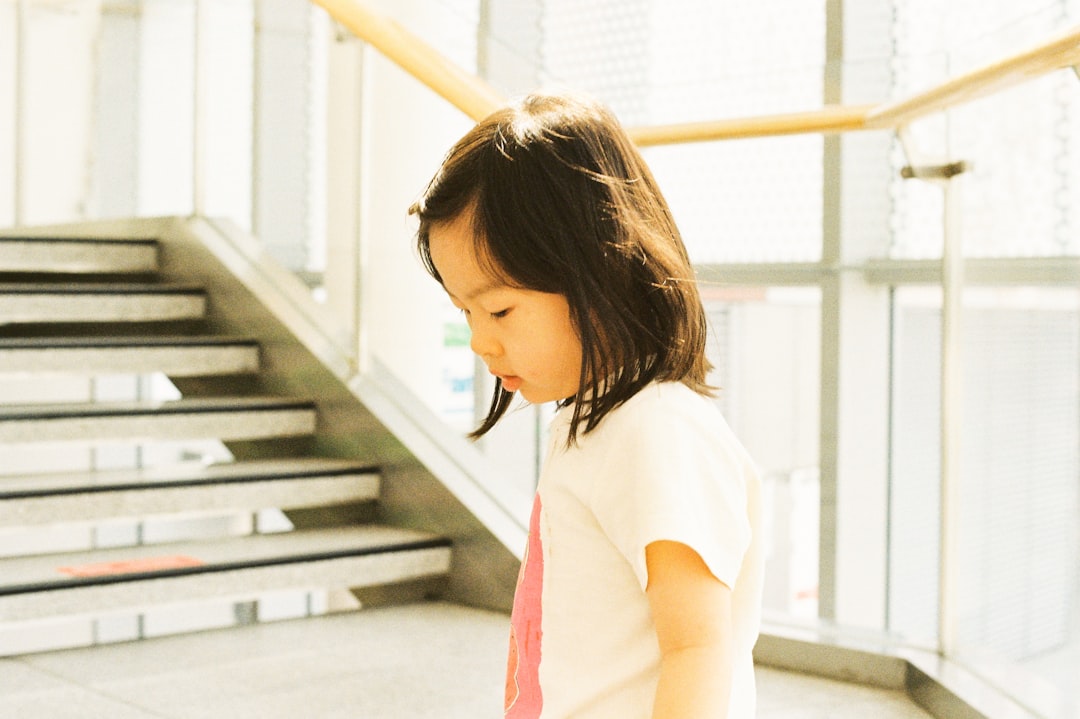
As we delve into the world of childhood anxiety, it becomes crucial for us to recognise that this condition is not merely a fleeting phase but a significant emotional challenge that many children face. Anxiety in children can manifest in various forms, including excessive worry, fear of separation, and even physical symptoms such as stomachaches or headaches. We must understand that these feelings are real and can significantly impact a child’s daily life, affecting their ability to learn, socialise, and engage in activities they once enjoyed.
In our experience, we have observed that anxiety can stem from various sources, including academic pressures, family dynamics, and social interactions. It is essential for us to approach this issue with empathy and understanding. By fostering an environment where children feel safe to express their feelings, we can help them navigate their anxiety more effectively.
This understanding lays the groundwork for us to explore effective strategies and tools that can assist children in managing their anxiety.
Summary
- Educational games can effectively support children with anxiety by providing a safe, engaging, and interactive learning environment.
- Incorporating mindfulness and relaxation techniques into games helps children manage anxiety symptoms during play.
- Selecting games tailored to specific anxiety triggers ensures a personalised approach to each child’s needs.
- Encouraging social interaction through collaborative games promotes confidence and reduces feelings of isolation.
- Regular monitoring and adapting of educational games are essential for integrating them into a broader anxiety management plan.
The Benefits of Educational Games for Children with Anxiety
Educational games have emerged as a powerful tool in addressing anxiety among children. These games not only provide a fun and engaging way for children to learn but also serve as a means of distraction from their worries. When we incorporate educational games into our approach, we create an opportunity for children to immerse themselves in a world where they can focus on problem-solving and creativity rather than their anxieties.
Moreover, educational games can help children develop essential coping skills. For instance, through interactive scenarios, children can learn how to manage their emotions and respond to challenging situations. We have seen firsthand how games like COCO THINKS and COCO MOVES can facilitate this learning process.
These apps are designed to engage children in cognitive exercises that promote emotional regulation and resilience, making them invaluable resources for families and educators alike.
Choosing the Right Educational Games for Children with Anxiety
When selecting educational games for children dealing with anxiety, it is vital for us to consider the individual needs of each child. Not all games will resonate with every child, so we must take the time to understand their preferences and triggers. For instance, some children may respond better to games that involve storytelling and imaginative play, while others may prefer more structured activities that focus on specific skills.
We should also look for games that incorporate elements of mindfulness and relaxation. Games that encourage deep breathing or positive affirmations can be particularly beneficial in helping children manage their anxiety. By choosing games that align with a child’s interests and emotional needs, we can create a more effective and supportive learning experience.
Incorporating Mindfulness and Relaxation Techniques into Educational Games
Integrating mindfulness and relaxation techniques into educational games is an effective strategy for helping children cope with anxiety. As we explore this approach, we can introduce activities that encourage children to pause, reflect, and engage in calming practices. For example, incorporating guided breathing exercises or visualisation techniques within the game can provide children with tools to manage their anxiety in real-time.
In our educational apps like COCO THINKS and COCO MOVES, we have made a conscious effort to include mindfulness elements. These features not only enhance the gaming experience but also equip children with practical skills they can use outside of the game environment. By fostering a sense of calm and focus through these techniques, we empower children to take control of their emotions and navigate their anxieties more effectively.
Creating a Safe and Supportive Environment for Children with Anxiety
Creating a safe and supportive environment is paramount when working with children who experience anxiety. We must ensure that our approach is nurturing and understanding, allowing children to feel comfortable expressing their feelings without fear of judgement. This environment can be cultivated both at home and in educational settings.
To foster this supportive atmosphere, we can implement strategies such as open communication, active listening, and positive reinforcement. Encouraging children to share their thoughts and feelings helps them feel validated and understood. Additionally, incorporating educational games into this environment can provide a sense of structure and predictability, which is often comforting for anxious children.
Engaging Children with Anxiety through Interactive and Immersive Educational Games

Engagement is key when it comes to helping children with anxiety. Interactive and immersive educational games capture children’s attention and draw them into a world where they can learn while having fun. We have found that when children are actively involved in the learning process, they are less likely to focus on their anxieties.
Games like COCO THINKS and COCO MOVES offer interactive experiences that encourage exploration and creativity. By providing challenges that require critical thinking and problem-solving skills, we help children build confidence in their abilities. This newfound confidence can translate into reduced anxiety levels as they learn to tackle challenges both within the game and in real life.
Encouraging Social Interaction and Collaboration in Educational Games for Children with Anxiety
Social interaction plays a crucial role in helping children manage anxiety. When we encourage collaboration through educational games, we create opportunities for children to connect with their peers in a supportive environment. This interaction not only helps reduce feelings of isolation but also fosters teamwork and communication skills.
In our educational apps, we have incorporated features that allow for group play or cooperative challenges. By working together towards a common goal, children can build friendships and develop social skills while engaging in meaningful learning experiences. This collaborative approach not only alleviates anxiety but also promotes a sense of belonging among children.
Tailoring Educational Games to Address Specific Anxiety Triggers and Challenges
Every child experiences anxiety differently, which is why tailoring educational games to address specific triggers is essential. We must take the time to understand each child’s unique challenges and preferences when selecting or designing games. For instance, if a child struggles with social situations, we can choose games that simulate social interactions in a safe environment.
By personalising the gaming experience, we empower children to confront their anxieties at their own pace. This tailored approach allows us to create a more effective learning experience that resonates with each child’s individual needs. As we continue to develop our educational apps, we remain committed to providing options that cater to diverse experiences of anxiety.
Monitoring Progress and Adapting Educational Games to Individual Needs
Monitoring progress is an integral part of supporting children with anxiety through educational games. As we engage with these tools, it is essential for us to track how each child responds to different activities and challenges. This ongoing assessment allows us to adapt the games to better suit individual needs.
We can implement features within our apps that provide feedback on a child’s performance or emotional responses during gameplay. By analysing this data, we can make informed decisions about which activities are most beneficial for each child. This adaptability ensures that our educational games remain relevant and effective as children’s needs evolve over time.
Integrating Educational Games into a Comprehensive Anxiety Management Plan
Integrating educational games into a comprehensive anxiety management plan is a holistic approach that benefits both children and families. We must recognise that while educational games are valuable tools, they should be part of a broader strategy that includes therapy, support from caregivers, and open communication about feelings. By collaborating with families and educators, we can create a cohesive plan that incorporates educational games alongside other therapeutic interventions.
This integration allows us to provide consistent support for children as they navigate their anxiety journey. Together, we can empower them with the skills they need to thrive both academically and emotionally.
Case Studies and Success Stories: How Educational Games have Helped Children with Anxiety
As we reflect on our experiences with educational games like COCO THINKS and COCO MOVES, we are inspired by the success stories of children who have benefited from these tools. For instance, one case study involved a child who struggled with severe anxiety related to school performance. Through consistent use of our educational app, this child developed coping strategies that allowed them to approach academic challenges with greater confidence.
Another success story involved a group of children who participated in collaborative gameplay sessions using our apps. These sessions not only improved their social skills but also fostered friendships among peers who shared similar experiences with anxiety. Witnessing these transformations reinforces our belief in the power of educational games as effective tools for supporting children’s mental health.
In conclusion, as we continue our journey in understanding childhood anxiety and exploring innovative solutions like educational games, we remain committed to creating supportive environments where children can thrive. By harnessing the potential of interactive learning experiences, mindfulness techniques, and tailored approaches, we can empower children to manage their anxiety effectively while fostering resilience for the future.
In exploring the topic of educational games for children with anxiety, it is also beneficial to consider engaging classroom games that can provide a fun and interactive environment for students. These activities not only help in alleviating anxiety but also promote social interaction and teamwork. For more insights on this subject, you can read the article on engaging classroom games and fun online activities for students.