
Working memory is a crucial cognitive function that allows us to hold and manipulate information over short periods. For special needs children, this ability can often be compromised, leading to challenges in learning and daily activities. We must recognise that working memory is not merely about retaining information; it also involves the ability to process and use that information effectively.
This dual aspect can be particularly challenging for children with conditions such as ADHD, autism spectrum disorders, or learning disabilities. In our experience, understanding the nuances of working memory in special needs children requires a compassionate and informed approach. We have observed that these children may struggle with tasks that require them to remember instructions, follow multi-step processes, or engage in problem-solving activities.
By acknowledging these challenges, we can better tailor our educational strategies to support their unique needs.
Summary
- Working memory is crucial for learning and daily functioning in special needs children.
- Educational games offer engaging ways to enhance working memory skills effectively.
- Selecting appropriate games tailored to individual needs maximises developmental benefits.
- Regular monitoring and adaptation of games ensure progress and address unique challenges.
- Integrating games into a comprehensive educational approach supports overall child development.
The Importance of Building Working Memory in Special Needs Children
Building working memory is essential for special needs children as it directly impacts their academic performance and social interactions. When we enhance their working memory, we empower them to engage more fully in classroom activities, follow along with lessons, and participate in group discussions. This development not only boosts their confidence but also fosters a sense of belonging within their educational environment.
Moreover, improving working memory can lead to better emotional regulation and behavioural outcomes. We have seen that when children can manage their thoughts and actions more effectively, they are less likely to experience frustration or anxiety in challenging situations. This holistic improvement can significantly enhance their overall quality of life, both in and out of school.
The Benefits of Educational Games for Working Memory Development

Educational games offer a dynamic and engaging way to develop working memory skills in special needs children. These games often incorporate elements of fun and competition, which can motivate children to participate actively in their learning process. We have found that when children are engaged in play, they are more likely to absorb information and practice skills without the pressure often associated with traditional learning methods.
Additionally, educational games can be tailored to meet the specific needs of each child. For instance, games designed for working memory development can include various levels of difficulty, allowing us to adjust the challenge according to the child’s progress. This adaptability ensures that children remain engaged and motivated while developing their cognitive skills.
How Educational Games Can Support Special Needs Children in Building Working Memory
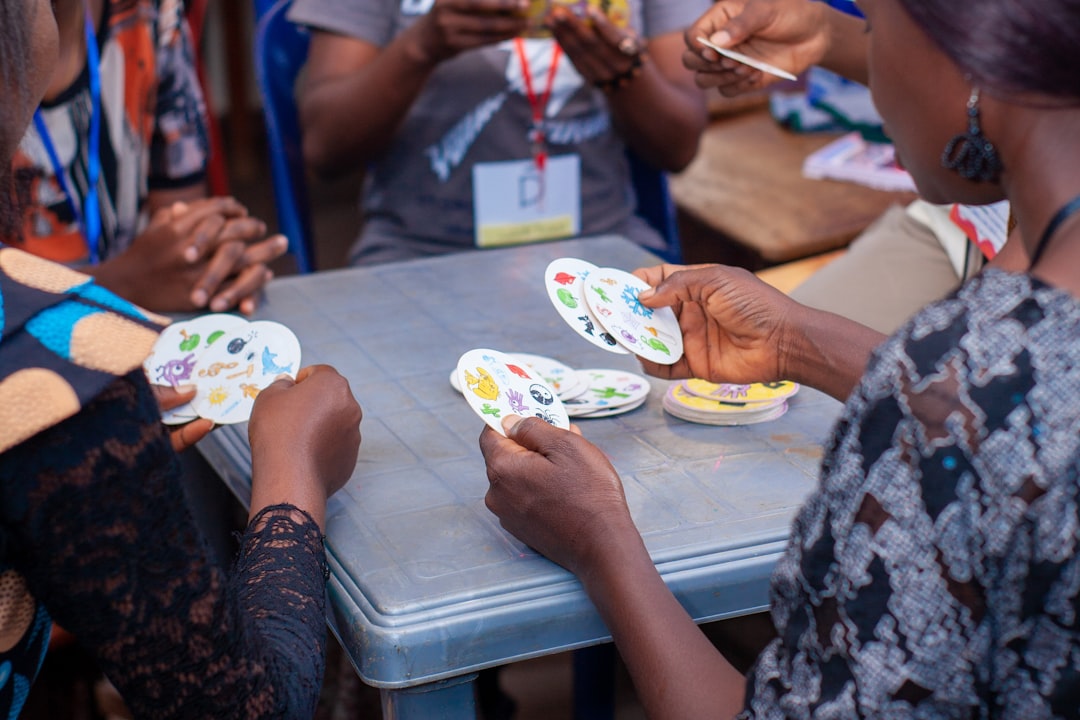
Educational games can support special needs children in several ways when it comes to building working memory. Firstly, these games often require players to remember sequences, patterns, or instructions, which directly exercises their working memory capacity. We have observed that through repeated exposure to these tasks, children gradually improve their ability to retain and manipulate information.
Furthermore, many educational games encourage collaboration and social interaction among peers. This aspect is particularly beneficial for special needs children, as it provides opportunities for them to practice communication skills and teamwork while simultaneously working on their cognitive abilities. By fostering a supportive environment where children can learn from one another, we create a more inclusive educational experience.
Choosing the Right Educational Games for Working Memory Development
When selecting educational games for working memory development, we must consider several factors to ensure they are appropriate for our special needs children. Firstly, we should assess the individual child’s interests and preferences. Games that align with their passions are more likely to engage them and encourage sustained participation.
Additionally, we should look for games that offer varying levels of difficulty and complexity. This feature allows us to provide a tailored learning experience that can adapt as the child progresses. For example, our educational app COCO THINKS offers a range of brain games specifically designed to enhance cognitive skills, including working memory.
By incorporating such resources into our toolkit, we can create a more effective learning environment.
Implementing Educational Games in Special Needs Education Settings

Implementing educational games in special needs education settings requires careful planning and consideration. We must create an inclusive atmosphere where all children feel comfortable participating in these activities. This may involve setting clear expectations and providing guidance on how to engage with the games effectively.
Moreover, we should consider integrating educational games into our existing curriculum rather than treating them as standalone activities. By weaving these games into daily lessons or group activities, we can reinforce the skills being taught while maintaining a fun and engaging learning environment. For instance, using COCO MOVES during physical education classes can help children develop both their cognitive and physical skills simultaneously.
Tips for Maximising the Effectiveness of Educational Games for Working Memory Development
To maximise the effectiveness of educational games for working memory development, we should employ several strategies. Firstly, we must ensure that the games are played regularly and consistently. Regular practice is essential for reinforcing the skills being developed and helping children internalise new concepts.
Additionally, providing immediate feedback during gameplay can enhance learning outcomes. When we offer constructive feedback on a child’s performance, we help them understand their strengths and areas for improvement. This feedback loop encourages self-reflection and motivates children to strive for progress.
Monitoring Progress and Adapting Educational Games for Individual Special Needs Children
Monitoring progress is vital when using educational games for working memory development in special needs children. We should establish clear benchmarks and goals for each child based on their individual needs and abilities. Regular assessments will allow us to track improvements over time and identify any areas where additional support may be required.
As we monitor progress, we must also be prepared to adapt the educational games as needed. If a child is struggling with a particular aspect of working memory, we can modify the game or introduce new challenges that target those specific skills. This flexibility ensures that each child receives the support they need to thrive.
Integrating Educational Games into a Holistic Approach to Special Needs Education
Integrating educational games into a holistic approach to special needs education involves considering the whole child—cognitive, emotional, social, and physical aspects of their development. We must recognise that working memory is just one piece of the puzzle; therefore, our educational strategies should encompass various methods and resources. By combining educational games with other interventions such as speech therapy, occupational therapy, or social skills training, we create a comprehensive support system for our special needs children.
This integrated approach allows us to address multiple areas of development simultaneously, leading to more significant overall progress.
Overcoming Challenges and Obstacles in Using Educational Games for Working Memory Development
While educational games offer numerous benefits for working memory development, we may encounter challenges when implementing them in special needs education settings. One common obstacle is resistance from children who may feel overwhelmed or frustrated by certain tasks. To address this issue, we must remain patient and supportive, encouraging them to persevere while celebrating small successes along the way.
Another challenge may arise from limited resources or access to suitable educational games. In such cases, we can explore alternative options such as creating our own games or utilising free online resources like COCO THINKS and COCO MOVES. By being resourceful and creative, we can ensure that all children have access to engaging tools that support their learning journey.
Success Stories and Case Studies of Educational Games for Working Memory Development in Special Needs Children
We have witnessed numerous success stories involving educational games for working memory development in special needs children. For instance, one case involved a child with ADHD who struggled with following multi-step instructions in class. After incorporating COCO THINKS into their daily routine, the child showed remarkable improvement in their ability to remember and execute tasks effectively.
Another success story involved a group of children with autism who participated in collaborative gameplay sessions using COCO MOVES. Through these sessions, they not only enhanced their working memory skills but also developed valuable social skills by interacting with their peers in a supportive environment. These success stories highlight the transformative potential of educational games in supporting special needs children on their learning journeys.
By continuing to explore innovative approaches and resources, we can make a meaningful difference in their lives and help them reach their full potential.
In exploring the effectiveness of educational games for enhancing working memory in special needs children, it is also beneficial to consider how these games can be integrated into broader learning environments. For instance, the article on engaging classroom games and fun online activities for students provides valuable insights into how interactive games can foster a more inclusive and stimulating educational atmosphere, ultimately supporting the cognitive development of all learners, including those with special needs.