

As we delve into the world of education, we often find ourselves reflecting on the most effective ways to engage our students. Game-based learning has emerged as a powerful tool in this regard, offering a myriad of benefits that can transform the educational landscape. When we think about the traditional classroom setting, it often conjures images of students passively absorbing information.
However, game-based learning flips this notion on its head, allowing us to create an interactive environment where students actively participate in their learning journey. One of the most significant advantages of game-based learning is its ability to foster motivation and engagement. We can recall instances in our own classrooms where students were more excited to learn when games were involved.
For example, during a recent history lesson, we introduced a trivia game that not only made the subject matter more enjoyable but also encouraged healthy competition among students. This excitement translates into increased retention of information, as students are more likely to remember what they learned while having fun. Moreover, games often provide immediate feedback, allowing us to identify areas where students may need additional support or clarification.
Setting Up a Game-Based Learning Center
Creating a dedicated space for game-based learning can significantly enhance the educational experience for our students. As we consider setting up a game-based learning centre, we must think about the layout and resources that will best support our objectives. A well-organised centre should include various types of games that cater to different learning styles and abilities.
For instance, we might incorporate board games, digital games, and even physical activities that promote teamwork and problem-solving skills. In our own experience, we have found that involving students in the design process can lead to greater ownership and enthusiasm for the learning centre. By soliciting their input on which games they would like to see included, we create an environment that feels personalised and relevant to their interests.
Additionally, we should ensure that the centre is easily accessible and equipped with the necessary technology, such as tablets or computers, to facilitate digital game-based learning. This thoughtful approach not only enhances engagement but also encourages students to take initiative in their learning.
Choosing the Right Games for Your Classroom
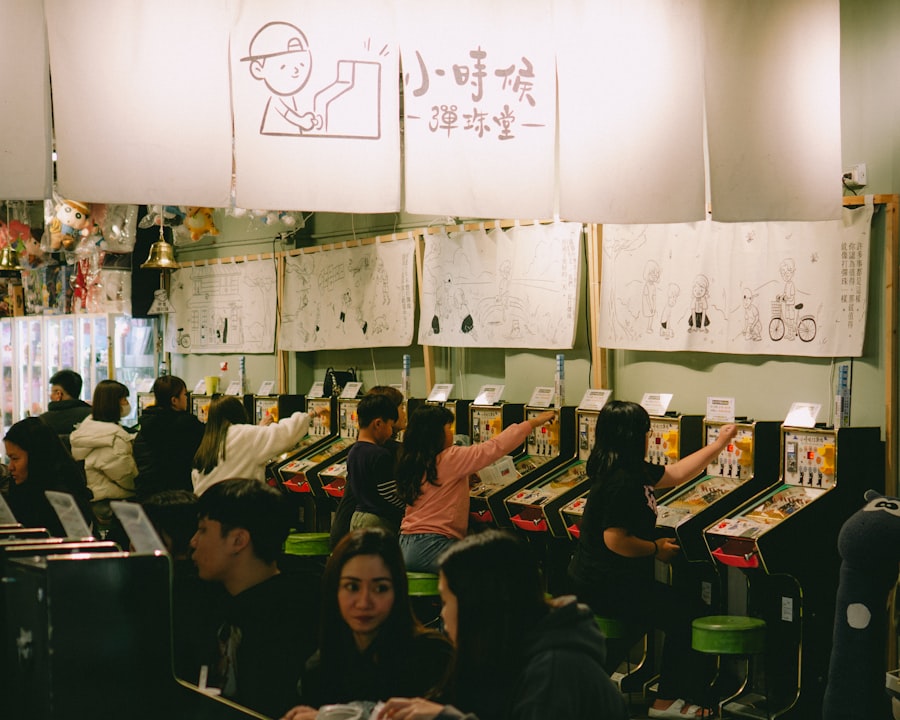
Selecting appropriate games for our classroom is crucial to the success of game-based learning. We must consider the age group, learning objectives, and individual needs of our students when making these choices. For example, while younger students may benefit from simple board games that reinforce basic skills like counting or vocabulary, older students might thrive with more complex strategy games that challenge their critical thinking abilities.
In our own practice, we have found that incorporating educational apps like COCO THINKS and COCO MOVES can be particularly effective. These apps are designed to engage children and special needs students through interactive games that promote cognitive development and physical activity. By integrating such resources into our curriculum, we can provide diverse learning opportunities that cater to various abilities and preferences.
Ultimately, the right games should not only align with our educational goals but also spark joy and curiosity in our students.
Integrating Game-Based Learning into Your Curriculum
To fully harness the power of game-based learning, we must thoughtfully integrate it into our existing curriculum. This process involves identifying key concepts and skills that can be reinforced through gameplay. For instance, if we are teaching a unit on ecosystems, we might incorporate a simulation game where students manage their own virtual habitats.
This hands-on approach allows them to apply their knowledge in a practical context while also developing critical thinking and decision-making skills. Moreover, we should strive to create connections between game-based activities and traditional lessons. By doing so, we reinforce the idea that learning can be both enjoyable and meaningful.
In our classrooms, we have successfully blended game-based learning with project-based assignments, allowing students to explore topics in depth while still engaging in playful activities. This integration not only enriches their understanding but also fosters a sense of community as they collaborate with their peers.
Creating a Positive Learning Environment
A positive learning environment is essential for the success of any educational initiative, including game-based learning. We must cultivate an atmosphere where students feel safe to take risks, make mistakes, and learn from one another. This can be achieved by promoting a growth mindset and encouraging open communication among students and teachers alike.
In our experience, establishing clear expectations and fostering mutual respect within the classroom has been instrumental in creating a supportive environment. We often remind our students that it is perfectly acceptable to struggle with a game or concept; what matters is their willingness to persevere and seek help when needed. By celebrating both individual and collective achievements, we reinforce the idea that learning is a shared journey, further enhancing the positive atmosphere in our classrooms.
Establishing Rules and Procedures for Game-Based Learning
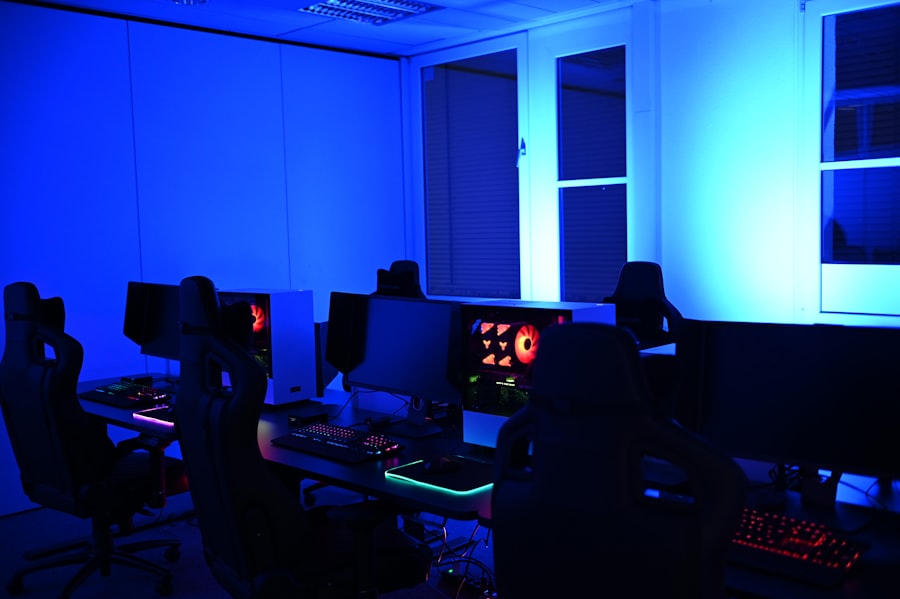
To ensure that game-based learning runs smoothly, it is vital to establish clear rules and procedures from the outset. We should involve our students in this process, allowing them to contribute their ideas on what constitutes fair play and respectful behaviour during games. This collaborative approach not only empowers them but also fosters a sense of ownership over their learning environment.
In practice, we have found it helpful to create a visual display of rules that is easily accessible in our game-based learning centre. This serves as a constant reminder for students about expected behaviours while playing games. Additionally, we should be prepared to adapt these rules as needed based on student feedback and experiences.
By maintaining flexibility and open communication, we can create an environment where everyone feels valued and respected.
Monitoring and Assessing Student Progress
Monitoring student progress in a game-based learning environment can be both exciting and challenging. We must find ways to assess not only academic growth but also social skills such as teamwork and communication. One effective strategy we have employed is using observation checklists during gameplay to track individual contributions and interactions among peers.
Furthermore, incorporating self-assessment tools can empower students to reflect on their own learning experiences. For instance, after completing a game or activity, we might ask them to share what they learned and how they collaborated with others. This reflective practice not only reinforces their understanding but also encourages them to take ownership of their progress.
Encouraging Collaboration and Communication
Collaboration and communication are essential components of effective game-based learning. We should design activities that require students to work together towards common goals while fostering open dialogue among peers. For example, team-based challenges can encourage students to share ideas, strategise collectively, and celebrate each other’s successes.
In our classrooms, we have witnessed firsthand how collaborative gameplay can strengthen relationships among students. By creating opportunities for them to engage in cooperative problem-solving tasks or friendly competitions, we promote teamwork and build a sense of community within our learning environment. This emphasis on collaboration not only enhances academic outcomes but also prepares students for future social interactions beyond the classroom.
Addressing Challenges and Concerns
While game-based learning offers numerous benefits, it is essential to acknowledge potential challenges and concerns that may arise during implementation. For instance, some educators may worry about managing classroom behaviour during gameplay or ensuring equitable access to resources for all students. It is crucial for us to address these concerns proactively by establishing clear guidelines and providing adequate support for all learners.
In our experience, open communication with parents and guardians can also alleviate concerns about game-based learning. By sharing our objectives and strategies with families, we foster a sense of partnership in supporting student growth. Additionally, seeking feedback from colleagues can provide valuable insights into best practices for overcoming challenges associated with game-based learning.
Providing Support and Resources for Students
To maximise the effectiveness of game-based learning, we must ensure that all students have access to appropriate support and resources. This may involve differentiating instruction based on individual needs or providing additional assistance for those who may struggle with certain concepts or skills. Incorporating educational apps like COCO THINKS and COCO MOVES into our resource toolkit can be particularly beneficial for supporting diverse learners.
These apps offer engaging activities tailored to various abilities, allowing us to provide targeted support while still fostering an inclusive environment. By equipping our students with the necessary tools for success, we empower them to take charge of their own learning journeys.
Evaluating the Effectiveness of Game-Based Learning Centers
Finally, evaluating the effectiveness of our game-based learning centres is essential for continuous improvement. We should regularly assess student engagement levels, academic progress, and overall satisfaction with the activities provided. Gathering feedback from both students and educators can help us identify areas for enhancement or adjustment.
In our practice, we have found it helpful to conduct periodic surveys or focus groups with students to gain insights into their experiences with game-based learning. By actively seeking their input, we demonstrate that their voices matter in shaping their educational journey. Ultimately, this commitment to evaluation ensures that our game-based learning centres remain dynamic spaces that evolve alongside the needs of our students.
In conclusion, embracing game-based learning offers us an exciting opportunity to transform our classrooms into vibrant spaces where students thrive academically and socially. By understanding its benefits, setting up dedicated centres, choosing appropriate games, integrating them into our curriculum, creating positive environments, establishing rules, monitoring progress, encouraging collaboration, addressing challenges, providing support, and evaluating effectiveness, we can create an enriching educational experience for all learners. As we continue on this journey together, let us remain committed to fostering a love for learning through play!