
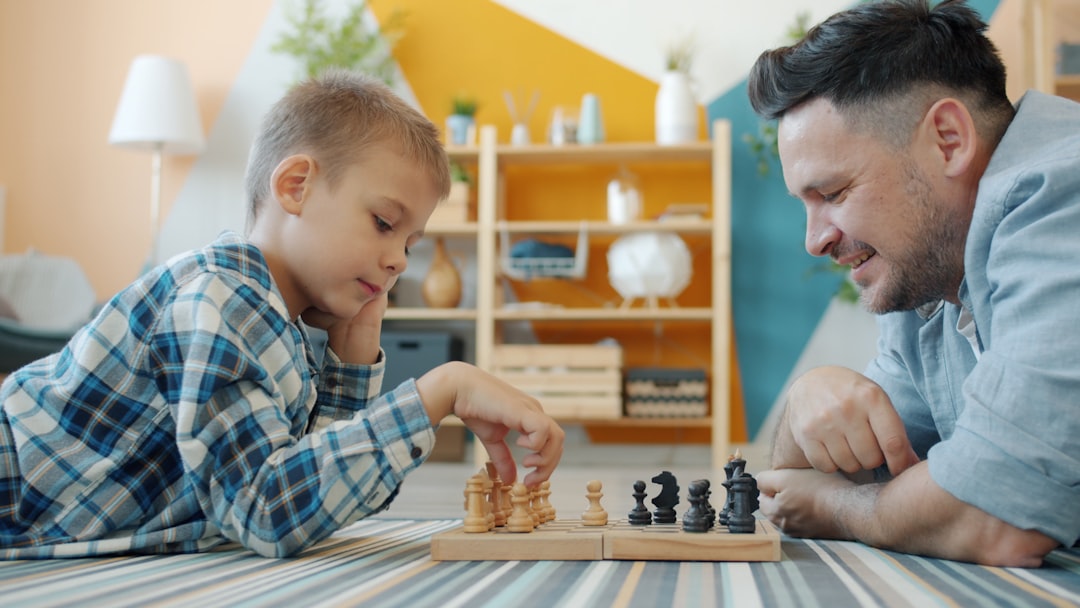
As we embark on the journey of nurturing our children’s minds, we find ourselves drawn to the rich tradition of educational games. These games have long been a staple in family life, serving not only as a source of entertainment but also as a means of fostering learning and development. In our fast-paced world, where screens often dominate our children’s attention, we believe it is essential to create opportunities for meaningful interactions through play.
Educational games, such as COCO THINKS and COCO MOVEs, offer us a unique way to engage our children while simultaneously enhancing their cognitive skills. The beauty of educational games lies in their ability to blend fun with learning seamlessly. They encourage critical thinking, problem-solving, and creativity, all while keeping our children entertained.
As we gather around the table or huddle on the sofa, we can witness the joy of discovery in our children’s eyes as they navigate challenges and celebrate victories. This tradition not only strengthens our family bonds but also instills a love for learning that can last a lifetime.
Summary
- Educational game traditions foster learning and family bonding through regular, engaging play.
- Selecting age-appropriate games ensures fun and educational value for all family members.
- Establishing a consistent game night routine helps create lasting memories and encourages participation.
- Integrating learning goals into gameplay enhances educational benefits while maintaining enjoyment.
- Sharing game nights with extended family and friends strengthens relationships and broadens experiences.
Choosing the Right Educational Games for Your Family
When it comes to selecting educational games for our family, we must consider the interests and developmental stages of our children. With a plethora of options available, it can be overwhelming to choose the right ones. We find it helpful to involve our children in the decision-making process, allowing them to express their preferences and interests.
This not only empowers them but also ensures that they are more engaged during gameplay. For younger children aged 5 to 10, we often turn to apps like COCO THINKS and COCO MOVEs. These educational tools are designed specifically for their age group, offering a variety of games that promote cognitive skills such as memory, attention, and reasoning.
The interactive nature of these apps keeps our children captivated while they learn essential skills. We also look for games that encourage teamwork and collaboration, as these experiences foster social skills and emotional intelligence.
Setting a Regular Game Night Schedule
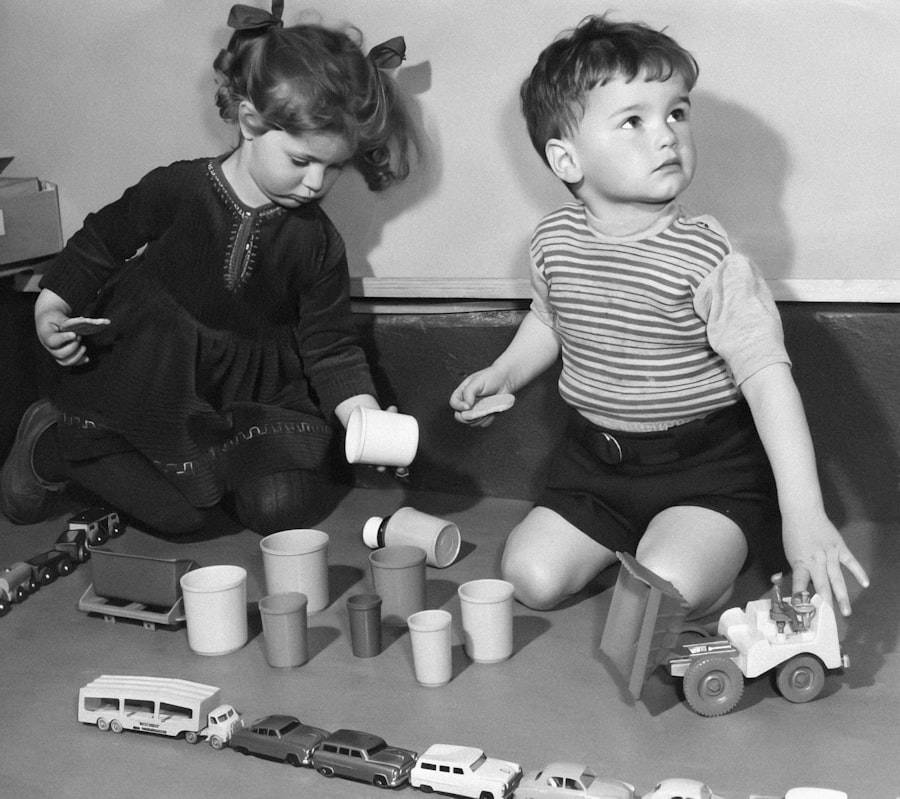
Establishing a regular game night schedule is crucial for creating a lasting tradition within our family. By designating a specific evening each week for game night, we set aside dedicated time for bonding and learning. This routine not only builds anticipation but also reinforces the importance of family time in our busy lives.
We often find that consistency is key. By sticking to our game night schedule, we create an environment where everyone knows what to expect. It becomes a cherished ritual that our children look forward to each week.
To make it even more special, we sometimes theme our game nights around different topics or subjects, allowing us to explore various educational themes while having fun together.
Creating a Fun and Engaging Game Environment
The atmosphere in which we play our educational games can significantly impact the overall experience. We strive to create a fun and engaging game environment that encourages enthusiasm and participation from everyone involved. This can be achieved through simple changes, such as decorating the space with colourful banners or setting up comfortable seating arrangements.
We also make an effort to minimise distractions during game night. By turning off electronic devices and creating a focused environment, we can fully immerse ourselves in the experience. Additionally, we encourage laughter and light-heartedness during gameplay, reminding ourselves that the primary goal is to enjoy each other’s company while learning together.
Incorporating Learning Objectives into Game Play
As we engage in educational games, we find it beneficial to incorporate specific learning objectives into our gameplay. This intentional approach allows us to maximise the educational value of our time spent together. For instance, when playing COCO THINKS, we can focus on enhancing our children’s problem-solving skills by discussing strategies and encouraging them to think critically about their choices.
We also take the opportunity to connect the lessons learned during gameplay to real-life situations. For example, if we encounter a challenge in a game that requires teamwork, we can discuss how those skills apply in school or at home. By making these connections, we reinforce the idea that learning extends beyond the game itself and into everyday life.
Encouraging Healthy Competition and Sportsmanship
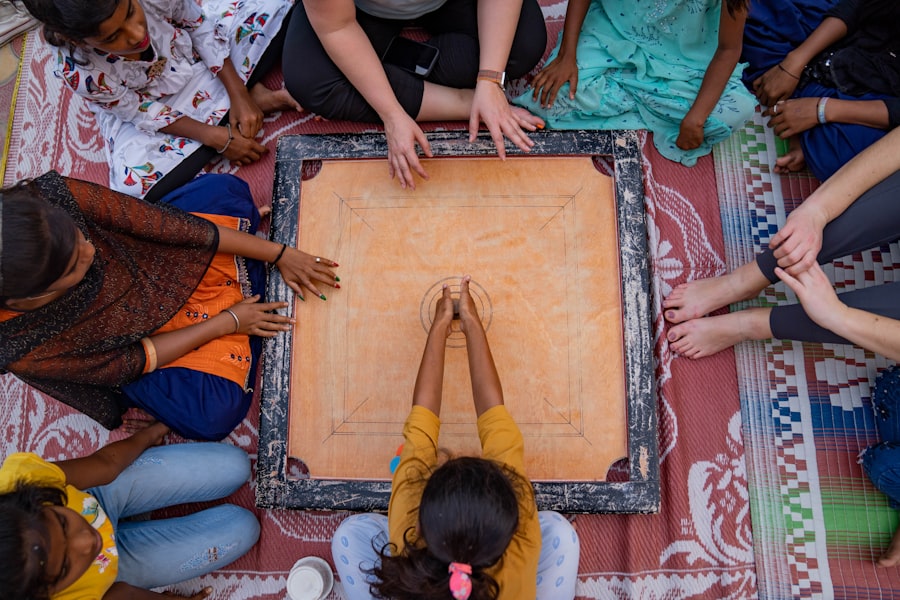
While competition can be an exciting aspect of game night, we believe it is essential to foster healthy competition and sportsmanship among our family members. We encourage our children to celebrate each other’s successes and learn from their mistakes rather than focusing solely on winning or losing. This mindset helps cultivate resilience and empathy, valuable traits that will serve them well throughout their lives.
To promote sportsmanship, we often emphasise the importance of cheering each other on and offering support during challenging moments. We remind ourselves that the ultimate goal is not just to win but to enjoy the experience together as a family. By modelling positive behaviour and reinforcing these values, we create an environment where everyone feels valued and respected.
Tailoring Game Traditions to Different Age Groups
As our children grow and develop new interests, it is essential to tailor our game traditions to accommodate different age groups. We recognise that what may be engaging for a 5-year-old may not hold the same appeal for a 10-year-old. Therefore, we make an effort to introduce new games and activities that cater to their evolving needs.
For younger children, we often choose games that focus on foundational skills such as counting, letter recognition, or basic problem-solving. As they grow older, we gradually introduce more complex games that challenge their critical thinking abilities and encourage strategic planning. This adaptability ensures that our game nights remain fresh and exciting for everyone involved.
Exploring New Games and Activities Together
One of the most enjoyable aspects of our educational game traditions is the opportunity to explore new games and activities together as a family. We make it a point to research and discover innovative educational games that align with our children’s interests and learning objectives. This exploration not only keeps our game nights dynamic but also allows us to introduce new concepts and ideas.
We often take turns selecting games for our game nights, giving each family member a chance to share their favourite activities or introduce something new. This collaborative approach fosters a sense of ownership over our game traditions and encourages everyone to participate actively in the decision-making process.
Documenting and Reflecting on Game Night Experiences
To enhance our educational game traditions further, we find it valuable to document and reflect on our game night experiences. We keep a family journal where we record the games played, memorable moments, and any lessons learned during gameplay. This practice not only serves as a wonderful keepsake but also allows us to revisit past experiences and reflect on how we’ve grown together as a family.
During our reflections, we discuss what worked well during gameplay and what could be improved for future game nights. This open dialogue encourages us to communicate effectively and fosters a growth mindset within our family unit.
Incorporating Educational Game Traditions into Holiday Celebrations
As holidays approach, we look for ways to incorporate our educational game traditions into festive celebrations. Whether it’s Christmas, birthdays, or other special occasions, we find that games can add an extra layer of joy and connection during these times. We often create themed game nights that align with the holiday spirit, incorporating festive decorations and seasonal activities.
For instance, during Christmas, we might play games that focus on counting down the days until the holiday or explore educational apps like COCO MOVEs that incorporate winter-themed challenges. By blending our educational traditions with holiday celebrations, we create lasting memories while reinforcing the importance of learning even during festive times.
Sharing Game Night Traditions with Extended Family and Friends
Finally, one of the most rewarding aspects of our educational game traditions is sharing them with extended family and friends. We often invite relatives or close friends over for game nights, creating an inclusive environment where everyone can participate in the fun. This not only strengthens our relationships with others but also allows us to introduce new perspectives and ideas into our gameplay.
When hosting larger gatherings, we make an effort to include a variety of games that cater to different age groups and interests. This ensures that everyone feels included and engaged throughout the evening. By sharing our traditions with others, we hope to inspire them to create their own educational game nights filled with laughter, learning, and connection.
In conclusion, as we navigate the world of educational games together as a family, we find ourselves building cherished traditions that enrich our lives in countless ways. From choosing the right games to creating an engaging environment and fostering healthy competition, each aspect contributes to a meaningful experience that promotes learning and connection. Through these traditions, we not only nurture our children’s minds but also strengthen the bonds that hold us together as a family unit.
Incorporating educational games into family traditions can significantly enhance learning experiences for children. For those looking to expand their repertoire of engaging activities, the article on engaging math games for school offers a variety of fun and interactive ways to make mathematics enjoyable for kids. By blending these games into family routines, parents can foster a love for learning while creating lasting memories.