

In our educational journey, we often find that classroom games serve as a vital tool for enhancing learning experiences. These games not only break the monotony of traditional teaching methods but also engage students in a way that fosters enthusiasm and motivation. For instance, during a recent history lesson, we transformed a dry lecture into an interactive quiz game.
The excitement in the room was palpable as we raced against the clock to answer questions about historical events. This approach not only made the content more relatable but also encouraged us to delve deeper into the subject matter, sparking discussions that extended beyond the classroom walls. Moreover, classroom games can cater to various learning styles, ensuring that every student has the opportunity to participate and thrive.
We recall a science lesson where we played a game that involved matching terms with their definitions. Visual learners thrived as they could see the terms and definitions laid out, while kinesthetic learners engaged with physical cards. This diversity in engagement allowed us to appreciate each other’s strengths and weaknesses, fostering a sense of community within our classroom.
By incorporating games into our lessons, we create an environment where learning becomes an enjoyable and memorable experience.
The Benefits of Competition in the Classroom
Competition can be a powerful motivator in the classroom, driving students to push their limits and strive for excellence. We have experienced firsthand how a little friendly rivalry can ignite our passion for learning. For example, during a mathematics unit, our teacher introduced a competitive element by organising a math relay race.
As we raced to solve problems on the board, we felt an adrenaline rush that made us more focused and determined to succeed. This competitive spirit not only improved our problem-solving skills but also fostered a sense of camaraderie among us as we cheered each other on. Furthermore, competition can help students develop resilience and perseverance.
In one instance, we participated in a spelling bee competition that challenged us to think on our feet and confront our fears of public speaking. While some of us stumbled over words, we learned valuable lessons about handling setbacks and celebrating small victories. This experience taught us that competition is not solely about winning; it is also about personal growth and learning from our mistakes.
By embracing competition in the classroom, we cultivate a mindset that values effort and improvement, preparing us for future challenges.
The Benefits of Collaboration in the Classroom
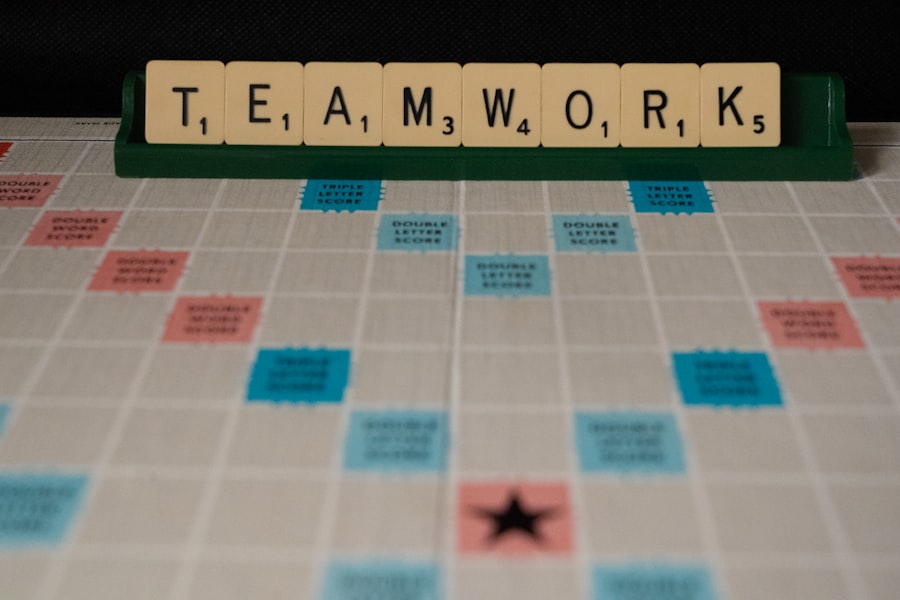
While competition has its merits, collaboration is equally essential in fostering a supportive learning environment. Working together on projects allows us to pool our strengths and learn from one another. We remember a group project where we had to create a presentation on environmental issues.
Each member brought unique skills to the table—some excelled at research, while others were adept at design and presentation. By collaborating, we not only produced a high-quality project but also developed essential teamwork skills that will serve us well in our future careers. Collaboration also encourages empathy and understanding among students.
In our experience, when we engage in group activities, we learn to appreciate diverse perspectives and approaches to problem-solving. For instance, during a literature discussion, we were divided into small groups to analyse different characters in a novel. As we shared our interpretations, we discovered new insights that enriched our understanding of the text.
This collaborative process fostered an inclusive atmosphere where everyone felt valued and heard, reinforcing the idea that learning is a collective endeavour.
Finding the Right Balance Between Competition and Collaboration
Striking the right balance between competition and collaboration is crucial for creating an effective learning environment. We have observed that an overemphasis on competition can lead to stress and anxiety among students, while excessive collaboration may hinder individual accountability. Our teachers have been instrumental in guiding us towards this balance by thoughtfully integrating both elements into our lessons.
For example, during a science fair project, our teacher encouraged us to work collaboratively in groups while also introducing a competitive aspect by awarding prizes for the best projects. This approach allowed us to benefit from each other’s strengths while still striving for excellence. We learned to appreciate the value of teamwork while also recognising the importance of individual contributions.
By finding this equilibrium, our teachers have created an environment where we can thrive both as individuals and as part of a team.
Strategies for Implementing Competitive Games in the Classroom
To effectively incorporate competitive games into our classroom, teachers can employ various strategies that enhance engagement and learning outcomes. One approach is to design games that align with the curriculum while also being enjoyable. For instance, we have participated in trivia games that reinforce key concepts from our lessons.
These games not only make learning fun but also encourage us to review material in an interactive way. Another strategy is to ensure that competition remains friendly and constructive. Our teachers often emphasise the importance of sportsmanship and respect for one another during competitive activities.
By fostering an environment where winning is not the sole focus, we learn to celebrate each other’s achievements and support one another’s growth. This approach helps mitigate any negative feelings associated with competition and encourages us to view challenges as opportunities for improvement.
Strategies for Implementing Collaborative Games in the Classroom

When it comes to collaborative games, there are several effective strategies that can enhance teamwork and communication among students. One such strategy is to assign roles within groups, allowing each member to contribute their unique skills and talents. For example, during a project on renewable energy sources, some of us took on research roles while others focused on creating visual aids for our presentation.
This division of labour not only made the project more efficient but also ensured that everyone felt valued for their contributions. Additionally, incorporating technology can enhance collaborative learning experiences. Our school has introduced COCO THINKS and COCO MOVES, educational apps designed for kids and special needs children that promote cognitive development through interactive games.
These apps allow us to work together on problem-solving tasks while having fun at the same time. By leveraging technology in collaborative games, we can engage with content in innovative ways that cater to diverse learning styles.
The Role of the Teacher in Balancing Competition and Collaboration
Teachers play a pivotal role in guiding students towards a balanced approach to competition and collaboration. They set the tone for how these elements are integrated into the classroom environment. Our teachers have been adept at recognising when to introduce competitive activities to motivate us and when to foster collaboration to build community.
Moreover, teachers can model positive behaviours related to both competition and collaboration. By demonstrating how to handle wins gracefully and losses with dignity, they teach us valuable life skills that extend beyond the classroom. We have seen our teachers celebrate individual achievements while also highlighting group successes, reinforcing the idea that both competition and collaboration are essential components of our learning journey.
Addressing Individual Differences in Classroom Games
In any classroom, students come with diverse backgrounds, abilities, and learning styles. It is essential for teachers to address these individual differences when implementing classroom games. We have experienced how differentiated instruction can enhance our engagement and participation in games.
For instance, during a language arts activity, our teacher provided various levels of difficulty for vocabulary games based on our individual proficiency levels. This approach allowed each of us to participate meaningfully without feeling overwhelmed or under-challenged. By recognising our unique strengths and weaknesses, our teacher created an inclusive environment where everyone could thrive.
Fostering a Positive and Inclusive Classroom Environment
Creating a positive and inclusive classroom environment is fundamental for successful classroom games. We have found that when we feel safe and respected, we are more willing to take risks and engage fully in activities. Our teachers have implemented strategies such as team-building exercises at the beginning of the school year to foster relationships among classmates.
Additionally, celebrating diversity within the classroom enhances inclusivity during games. We remember participating in cultural exchange activities where we shared games from our respective backgrounds. This not only enriched our understanding of different cultures but also reinforced the idea that everyone has something valuable to contribute.
Evaluating the Effectiveness of Classroom Games
To ensure that classroom games are effective in enhancing learning outcomes, it is essential for teachers to evaluate their impact regularly. We have seen our teachers use various assessment methods to gauge how well games contribute to our understanding of concepts. For example, after participating in a competitive quiz game on geography, our teacher conducted a follow-up discussion where we reflected on what we learned from the activity.
This evaluation process allowed us to articulate our understanding while providing valuable feedback for our teacher on how to improve future games.
Creating a Balanced Approach to Classroom Games
In conclusion, classroom games play an integral role in shaping our educational experiences by fostering engagement through competition and collaboration. As we navigate through various activities, we learn valuable skills such as teamwork, resilience, and empathy—qualities that will serve us well beyond the classroom walls. By finding the right balance between competition and collaboration, implementing effective strategies, addressing individual differences, fostering inclusivity, and evaluating effectiveness, teachers can create an enriching environment where all students can thrive.
As we continue on our educational journey, let us embrace the power of classroom games as tools for growth and connection—transforming learning into an exciting adventure filled with discovery and joy.