
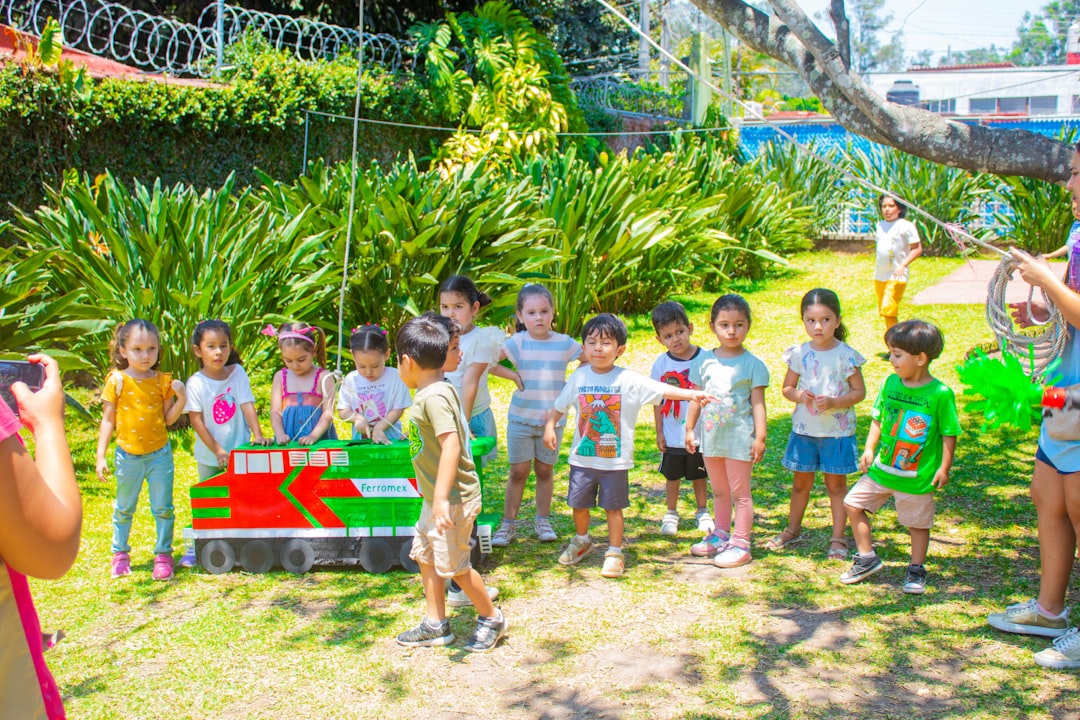
As we embark on the journey of childhood education, we find ourselves increasingly aware of the importance of outdoor play. Outdoor educational games serve as a bridge between learning and physical activity, allowing children to engage with their environment while developing essential skills. These games not only provide a break from traditional classroom settings but also foster creativity, critical thinking, and social interaction.
In our fast-paced digital world, it is vital that we encourage children to step outside and explore the wonders of nature through structured play. In our educational app, COCO THINKS and COCO MOVES, we have designed activities that promote both cognitive and physical development. By integrating outdoor games into our curriculum, we can enhance the learning experience for children in K12 settings.
The combination of fresh air, physical activity, and educational content creates a holistic approach to learning that benefits children of all ages and abilities.
Summary
- Outdoor educational games support physical, cognitive, and social development in children.
- High-energy children benefit greatly from active outdoor play to channel their energy positively.
- Creating a safe, engaging environment is essential for effective outdoor learning experiences.
- Sensory play and adaptations ensure inclusivity for children with special needs.
- Adult facilitation and encouragement foster independent exploration and lasting developmental impact.
The Benefits of Outdoor Play for Children with High Energy Needs
For children with high energy needs, outdoor play is particularly beneficial. Engaging in physical activities allows them to channel their energy in constructive ways, reducing restlessness and improving focus. When we observe children playing outside, we notice how their bodies naturally seek movement, whether it’s running, jumping, or climbing.
This physical engagement not only helps them expend energy but also contributes to their overall well-being. Moreover, outdoor play provides an opportunity for sensory exploration. The sights, sounds, and textures of nature stimulate children’s senses, which can be especially important for those who may struggle with sensory processing.
By allowing children to interact with their environment, we can help them develop a greater awareness of their surroundings and enhance their sensory integration skills. This connection to nature can lead to improved emotional regulation and a sense of calm.
Top 5 Outdoor Educational Games for Physical Development
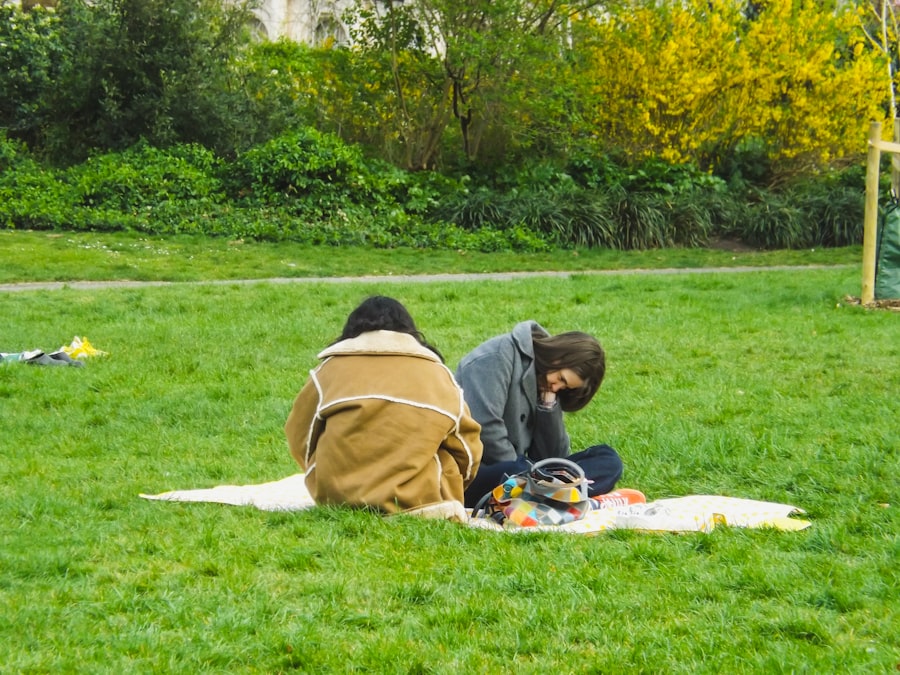
1. **Obstacle Course**: We can create an obstacle course using natural elements like logs, rocks, and trees. Children can climb, jump, and crawl through the course, developing their gross motor skills while having fun.
2. **Nature Scavenger Hunt**: By providing a list of items for children to find in their outdoor environment, we encourage them to explore and move around. This game promotes physical activity while also enhancing observational skills.
3. **Tag Games**: Classic games like tag or variations such as freeze tag encourage running and quick thinking. These games not only improve cardiovascular fitness but also teach children about strategy and teamwork.
4. **Ball Games**: Activities like soccer or frisbee can be easily adapted for various age groups. These games promote hand-eye coordination and teamwork while allowing children to engage in friendly competition.
5. **Nature Relay Races**: We can set up relay races that incorporate elements of nature, such as balancing a stick on their heads or hopping like a frog. This adds an educational twist to traditional races while promoting physical fitness.
Top 5 Outdoor Educational Games for Cognitive Development
1. **Nature Bingo**: We can create bingo cards featuring different plants, animals, or natural phenomena. As children search for these items outdoors, they enhance their observational skills and learn about biodiversity.
2. **Storytelling Walks**: During a walk in nature, we can encourage children to create stories based on what they see around them. This activity fosters creativity and narrative skills while promoting critical thinking.
3. **Map Reading Adventures**: By providing children with a simple map of the area, we can challenge them to navigate their surroundings. This game enhances spatial awareness and problem-solving skills.
4. **Science Experiments**: Conducting simple science experiments outdoors allows children to observe natural processes firsthand. For example, they can explore the water cycle by collecting rainwater or studying plant growth.
5. **Nature Journals**: Encouraging children to keep a nature journal where they document their observations fosters reflective thinking and writing skills. They can sketch plants or animals they encounter during outdoor play.
Top 5 Outdoor Educational Games for Social Development
1. **Group Challenges**: We can organise team-based challenges that require collaboration and communication. These activities teach children how to work together towards a common goal while developing social skills.
2. **Role-Playing Games**: Outdoor role-playing games allow children to take on different characters and scenarios. This imaginative play fosters empathy and understanding as they navigate social interactions.
3. **Circle Games**: Games like “Duck, Duck, Goose” or “The Farmer in the Dell” encourage group participation and help children learn about taking turns and following rules. 4.
**Community Projects**: Involving children in community gardening or clean-up projects teaches them about responsibility and teamwork while fostering a sense of belonging within their community. 5. **Outdoor Story Circles**: Gathering children in a circle to share stories encourages active listening and communication skills.
This activity promotes social bonding and helps build confidence in public speaking.
How to Create a Safe and Engaging Outdoor Learning Environment
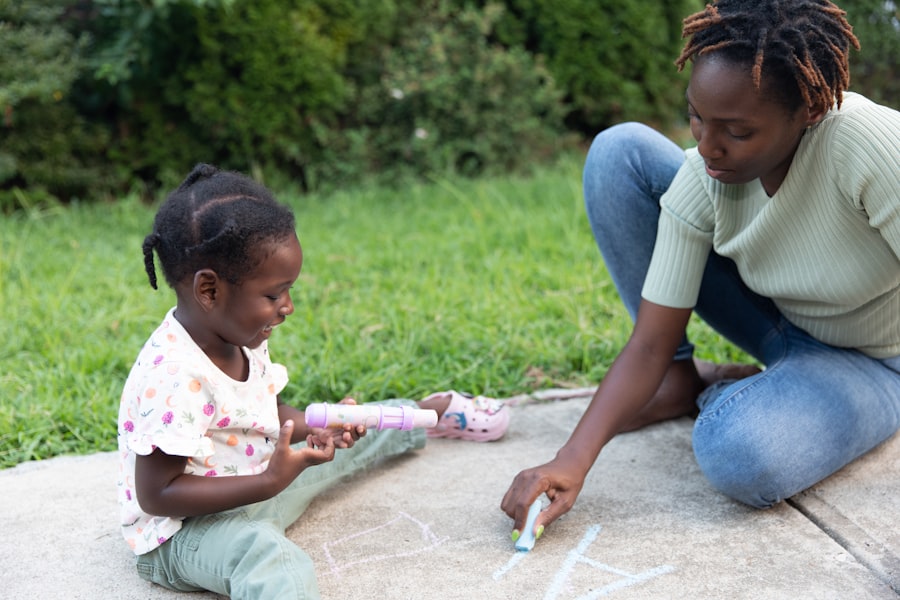
Creating a safe outdoor learning environment is paramount for encouraging exploration and play. We must assess the area for potential hazards such as sharp objects or unstable surfaces before allowing children to engage in outdoor activities. Additionally, establishing clear boundaries helps children understand where they can safely roam while still feeling free to explore.
To make the environment engaging, we can incorporate various elements such as natural materials, sensory gardens, or interactive installations that invite curiosity. Providing diverse play equipment that caters to different interests ensures that all children feel included and motivated to participate in outdoor learning experiences.
Incorporating Sensory Play into Outdoor Educational Games
Sensory play is an essential component of childhood development, particularly for children with special needs or sensory processing challenges. By incorporating sensory elements into outdoor educational games, we can create enriching experiences that stimulate children’s senses. For instance, we can set up sensory stations with different textures such as sand, water, or leaves for children to explore during playtime.
Activities like mud painting or nature crafts allow them to engage creatively while experiencing various sensory inputs. This hands-on approach not only enhances fine motor skills but also promotes cognitive development through exploration and experimentation.
Adapting Outdoor Educational Games for Children with Special Needs
When it comes to outdoor educational games, adaptability is key to ensuring inclusivity for all children, including those with special needs. We can modify games by simplifying rules or providing additional support where necessary. For example, during a scavenger hunt, we might offer visual aids or tactile objects to assist children who may struggle with traditional instructions.
Additionally, we should consider sensory preferences when designing outdoor activities. Some children may benefit from quieter spaces away from overwhelming stimuli, while others may thrive in more dynamic environments. By being mindful of individual needs and preferences, we can create an inclusive atmosphere that encourages participation from all children.
The Role of Adults in Facilitating Outdoor Educational Games
As adults, our role in facilitating outdoor educational games is crucial for creating a positive learning experience. We must act as guides and mentors, providing support while allowing children the freedom to explore independently. Encouraging open-ended questions during playtime fosters critical thinking and problem-solving skills as children navigate challenges on their own.
Moreover, our enthusiasm for outdoor activities can be contagious! When we actively participate in games alongside children, we model positive behaviours and demonstrate the joy of learning through play. Our presence not only ensures safety but also reinforces the importance of social interaction and collaboration among peers.
Encouraging Independent Exploration and Learning through Outdoor Games
Encouraging independent exploration is vital for fostering a sense of autonomy in children. By providing opportunities for self-directed play outdoors, we empower them to make choices about how they engage with their environment. This independence nurtures confidence and decision-making skills as they learn to navigate challenges on their own terms.
We can facilitate this exploration by setting up open-ended activities that allow for creativity and imagination. For instance, providing loose parts such as sticks or stones encourages children to build structures or create art installations based on their ideas. This freedom not only enhances cognitive development but also instils a lifelong love for learning through exploration.
The Lasting Impact of Outdoor Educational Games on Children’s Development
In conclusion, outdoor educational games hold immense potential for shaping children’s development across multiple domains—physical, cognitive, and social. As we embrace the benefits of outdoor play, we recognise its role in fostering creativity, critical thinking, and emotional well-being among children of all abilities. By integrating outdoor activities into our educational practices—whether through our app COCO THINKS and COCO MOVES or our training courses for families—we can create enriching experiences that leave a lasting impact on children’s lives.
As we continue to advocate for outdoor play as an essential component of education, let us remember the joy it brings to children’s hearts and minds as they explore the world around them through play.
For parents seeking engaging activities for children with high energy needs, exploring outdoor educational games can be incredibly beneficial. One excellent resource is the article on Exploring Ecosystems: A Nature Scavenger Hunt, which offers a fun and interactive way for children to connect with nature while expending energy. This scavenger hunt not only encourages physical activity but also fosters curiosity and learning about the environment, making it a perfect complement to the best outdoor educational games for energetic children.