
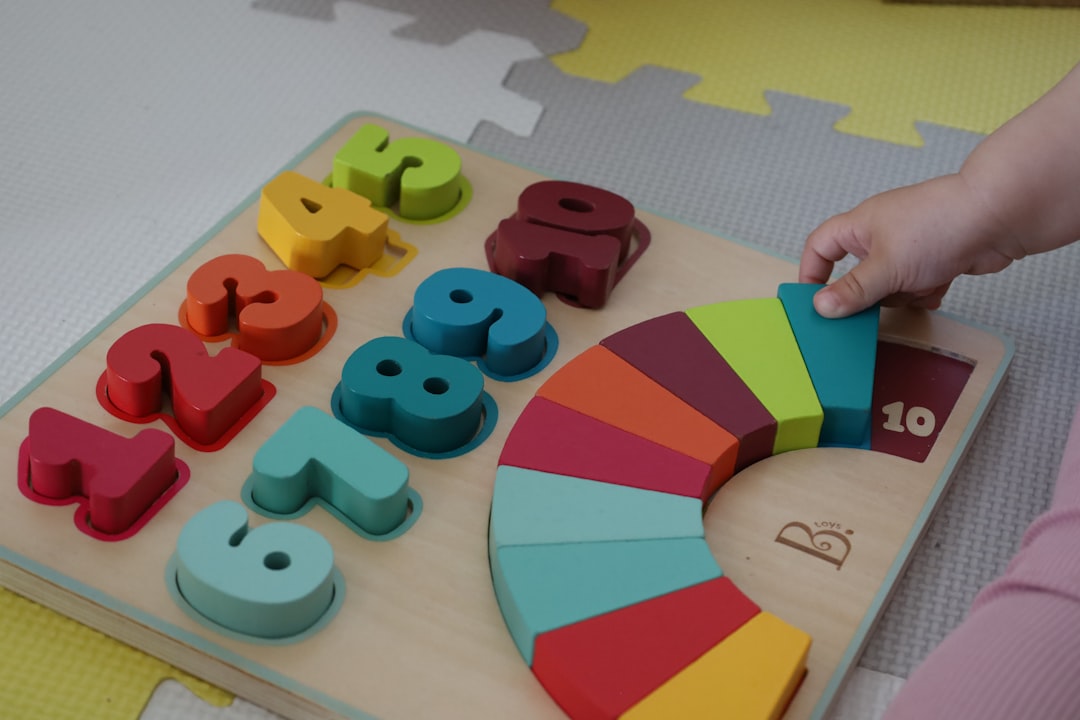
As we delve into the world of educational games, it becomes increasingly clear that they offer a multitude of benefits for children with Autism Spectrum Disorder (ASD). These games are not merely tools for entertainment; they serve as vital instruments for learning and development. By engaging children in interactive and stimulating environments, educational games can help bridge the gap between traditional learning methods and the unique needs of children with ASD.
One of the primary advantages of educational games is their ability to cater to various learning styles. Children with ASD often have distinct preferences and strengths when it comes to learning. Through our app, COCO THINKS, we provide a range of brain games that encourage critical thinking and problem-solving skills.
These games are designed to be engaging and fun, making learning an enjoyable experience. By incorporating elements of play, we can motivate children to participate actively in their education, fostering a love for learning that can last a lifetime.
Summary
- Educational games can significantly support social, communication, and cognitive development in children with Autism Spectrum Disorder (ASD).
- Selecting age-appropriate and sensory-friendly games is crucial to meet the diverse needs of children with ASD.
- Tailoring games to individual learning styles enhances engagement and effectiveness in skill-building.
- Educational games can aid in emotional regulation and managing behavioural challenges in children with ASD.
- Regular evaluation and careful implementation ensure educational games effectively support learning and development.
Choosing the Right Educational Games for Different Age Groups
When selecting educational games for children with ASD, it is essential to consider their age and developmental stage. Different age groups have varying cognitive abilities and interests, which means that the games we choose must align with these factors. For younger children, games that focus on basic skills such as counting, colours, and shapes can be particularly beneficial.
Our COCO MOVES app offers interactive activities that promote physical movement while reinforcing these foundational concepts. As children grow older, their needs and interests evolve. For older children, we should look for games that challenge their critical thinking and social skills.
Games that encourage collaboration and teamwork can be particularly effective in helping children with ASD develop essential social skills. By providing age-appropriate content, we can ensure that our educational games remain relevant and engaging throughout a child’s development.
Incorporating Sensory-Friendly Features in Educational Games

Children with ASD often experience sensory sensitivities, which can impact their ability to engage with traditional educational materials. Therefore, it is crucial for us to incorporate sensory-friendly features into our educational games. This can include adjustable sound levels, visual stimuli that can be modified, and options for tactile feedback.
By creating a sensory-friendly environment, we can help children feel more comfortable and focused while playing. In our COCO THINKS and COCO MOVES apps, we strive to provide a variety of sensory-friendly options. For instance, we allow users to customise the visual elements of the games, enabling them to choose colours and designs that resonate with their preferences.
By prioritising sensory needs, we can create an inclusive learning experience that caters to all children, regardless of their sensitivities.
The Role of Educational Games in Improving Social Skills
Social skills are often a significant area of difficulty for children with ASD. Educational games can play a pivotal role in helping these children develop essential social competencies. Through interactive gameplay, children can practice taking turns, sharing, and communicating with others in a safe and supportive environment.
This practice is invaluable as it allows them to learn from their experiences without the pressure of real-world social interactions. Our educational apps are designed to facilitate social skill development by incorporating multiplayer features and collaborative challenges. For example, in COCO MOVES, children can engage in group activities that require teamwork and communication.
By participating in these games, children not only enhance their social skills but also build confidence in their ability to interact with peers.
Enhancing Communication and Language Development through Educational Games
Communication is another critical area where educational games can make a significant impact for children with ASD. Many children on the spectrum face challenges in verbal communication, making it essential for us to provide tools that support language development. Educational games can offer opportunities for practising vocabulary, sentence structure, and conversational skills in a fun and engaging manner.
In our COCO THINKS app, we include language-based games that encourage children to express themselves verbally or through written communication. By integrating language development into gameplay, we create an environment where children feel motivated to communicate. This approach not only enhances their language skills but also fosters a sense of accomplishment as they see their progress over time.
Using Educational Games to Improve Cognitive Skills and Problem-Solving Abilities
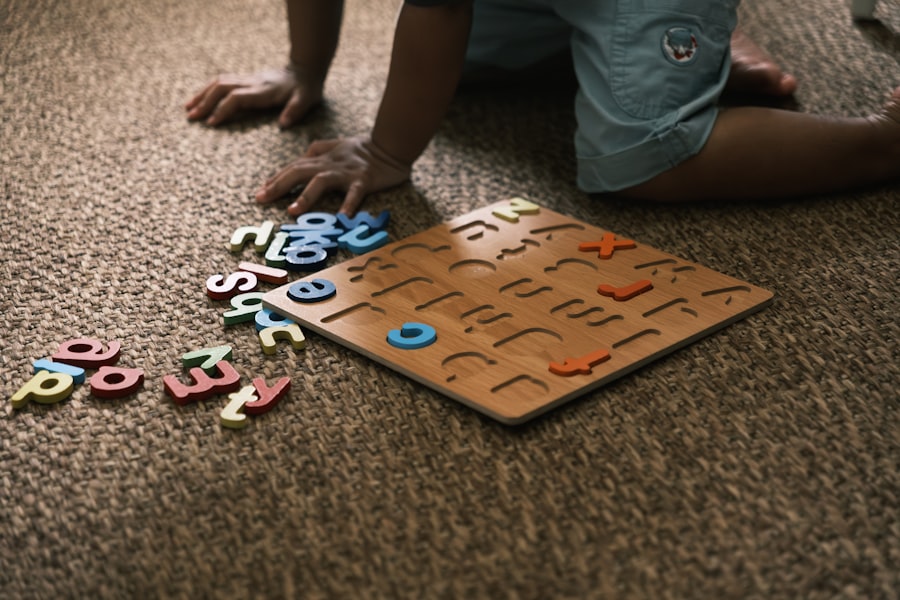
Cognitive skills are fundamental to a child’s overall development, and educational games can serve as effective tools for enhancing these abilities. Through gameplay, children can engage in critical thinking, reasoning, and problem-solving tasks that challenge their cognitive capacities. This engagement is particularly beneficial for children with ASD, as it encourages them to think creatively and develop strategies for overcoming obstacles.
Our COCO MOVES app features a variety of puzzles and challenges that require logical thinking and problem-solving skills. By presenting these tasks in a game format, we make cognitive development enjoyable and accessible. As children navigate through different levels and challenges, they build resilience and learn how to approach problems from various angles.
Addressing Emotional Regulation and Behavioural Challenges with Educational Games
Emotional regulation is often a significant challenge for children with ASD. Educational games can provide a platform for practising self-regulation techniques in a controlled environment. By incorporating elements of mindfulness and emotional awareness into our games, we can help children learn how to manage their emotions effectively.
In our training courses for families and SENDCo teachers, we emphasise the importance of using educational games as tools for emotional regulation. For instance, we encourage caregivers to engage with children during gameplay, discussing feelings and reactions as they arise. This collaborative approach not only strengthens the parent-child bond but also equips children with valuable coping strategies they can apply in real-life situations.
Tailoring Educational Games to Individual Learning Styles and Preferences
Every child is unique, especially those with ASD who may have specific learning styles and preferences. To maximise the effectiveness of educational games, it is essential for us to tailor these experiences to meet individual needs. This may involve offering different modes of gameplay or allowing users to customise their gaming experience based on their preferences.
In our COCO THINKS app, we provide various game modes that cater to different learning styles—visual learners may benefit from colourful graphics and animations, while auditory learners may prefer sound-based challenges. By offering flexibility in gameplay, we empower children to engage with the content in ways that resonate with them personally.
Tips for Successfully Introducing and Implementing Educational Games for Children with Autism Spectrum Disorder
Introducing educational games to children with ASD requires careful consideration and planning. To ensure a successful implementation, we recommend starting slowly by selecting one or two games that align with the child’s interests and developmental level. Gradually increasing the complexity of the games as the child becomes more comfortable can help maintain engagement without overwhelming them.
Additionally, it is crucial for us to create a supportive environment during gameplay. This may involve sitting alongside the child while they play or providing encouragement as they navigate challenges. By being present during these moments, we can foster a sense of security and motivation that enhances the overall gaming experience.
Evaluating the Effectiveness of Educational Games in Supporting Learning and Development
To truly understand the impact of educational games on children with ASD, we must evaluate their effectiveness regularly. This evaluation process involves monitoring progress over time and assessing how well the games align with individual learning goals. By collecting data on children’s performance and engagement levels, we can make informed decisions about which games are most beneficial.
In our training courses for families and SENDCo teachers, we emphasise the importance of ongoing assessment. We encourage caregivers to keep track of their child’s progress while using our apps so they can identify areas of improvement or additional support needed. This data-driven approach allows us to refine our offerings continually and ensure they meet the evolving needs of children with ASD.
Resources and Recommendations for Accessing Educational Games for Children with Autism Spectrum Disorder
As we explore the world of educational games for children with ASD, it is essential to provide families with resources and recommendations for accessing these tools effectively. Our COCO THINKS and COCO MOVES apps are excellent starting points for families seeking engaging educational experiences tailored specifically for children on the spectrum. Additionally, we recommend exploring online platforms that offer training courses for families and educators working with children with special needs.
Our training courses provide valuable insights into how to utilise educational games effectively while addressing individual learning styles and preferences. By equipping families with knowledge and resources, we empower them to support their children’s learning journeys confidently. In conclusion, educational games hold immense potential for supporting the development of children with Autism Spectrum Disorder.
By understanding their benefits, choosing appropriate games, incorporating sensory-friendly features, enhancing social skills, communication abilities, cognitive skills, emotional regulation strategies, tailoring experiences to individual needs, implementing effectively, evaluating progress regularly, and accessing valuable resources—we can create an enriching learning environment that fosters growth and success for every child on the spectrum.
In exploring the best educational games for children with Autism Spectrum Disorder, it is also beneficial to consider how these games can be tailored to teach essential life skills. For instance, the article on how to use educational games to teach financial literacy to kids provides valuable insights into creating engaging learning experiences that can help children develop important financial skills in a fun and interactive way. This approach not only supports their educational growth but also fosters independence and confidence in real-world situations.