

As the school year draws to a close, we often find ourselves in a state of excitement and anticipation for the summer months ahead. However, while we relish the thought of lazy days and sun-soaked adventures, we must also acknowledge a phenomenon known as the « summer slide. » This term refers to the regression in academic skills that many children experience during the long break from formal education. Research indicates that students can lose up to two months of reading skills and even more in mathematics over the summer.
As parents and educators, we must be proactive in combating this trend, ensuring that our children remain engaged and stimulated throughout the holiday. To counteract the summer slide, we can turn to educational games as a powerful tool for learning. These games not only provide an enjoyable way for children to reinforce their skills but also foster a love for learning that can last a lifetime.
By integrating fun and educational activities into our summer routines, we can help our children maintain their academic progress while enjoying their time off from school. In this article, we will explore the benefits of educational games, how to choose the right ones, and ways to incorporate them into our summer learning plans.
Summary
- Educational games effectively combat the summer slide by keeping children engaged in learning during holidays.
- Selecting age-appropriate and subject-relevant games is crucial for maximising educational benefits.
- Parents play a key role in integrating games into daily routines and encouraging consistent learning.
- Monitoring progress helps assess the impact of games and tailor learning experiences to individual needs.
- Making learning fun and interactive ensures sustained interest and long-term academic improvement.
The Benefits of Educational Games for Summer Learning
Educational games offer a multitude of benefits that can significantly enhance our children’s summer learning experience. Firstly, they provide an interactive and engaging way for children to practice essential skills. Unlike traditional worksheets or textbooks, games encourage active participation, making learning feel less like a chore and more like an adventure.
For instance, our educational apps, COCO THINKS and COCO MOVEs, are designed specifically for children aged 5 to 10, combining fun gameplay with cognitive challenges that stimulate critical thinking and problem-solving skills. Moreover, educational games can cater to various learning styles. Some children may thrive in visual environments, while others may prefer auditory or kinesthetic learning experiences.
By offering a diverse range of games, we can ensure that every child finds something that resonates with them. This adaptability not only keeps children engaged but also allows them to learn at their own pace, reinforcing their understanding of key concepts without the pressure of traditional assessments.
How to Choose the Right Educational Games for Summer Learning

When selecting educational games for our children, it is essential to consider several factors to ensure that we are making the best choices for their learning needs. Firstly, we should assess the age appropriateness of the game. For younger children, like those using COCO THINKS and COCO MOVEs, we want to ensure that the content is engaging and suitable for their developmental stage.
Games that are too advanced may lead to frustration, while those that are too simple may not provide enough challenge. Additionally, we should look for games that align with our children’s interests and strengths. If our child is fascinated by animals, for example, we might choose games that incorporate wildlife themes or nature-based challenges.
This personalisation not only makes learning more enjoyable but also encourages our children to take ownership of their educational journey. Furthermore, we should consider the educational value of the game. Does it promote critical thinking?
Does it reinforce essential skills in reading, mathematics, or science? By prioritising these elements, we can ensure that our chosen games contribute positively to our children’s summer learning experience.
Incorporating Educational Games into a Summer Learning Routine
Establishing a summer learning routine that incorporates educational games can be an effective way to combat the summer slide while keeping our children engaged. We can start by setting aside specific times each week dedicated to educational activities. For instance, we might designate Monday and Wednesday afternoons for game time, allowing our children to look forward to these sessions as part of their summer schedule.
To make this routine even more enjoyable, we can create a themed week around different subjects or skills. For example, one week could focus on mathematics with COCO MOVEs, where children engage in fun challenges that reinforce their numeracy skills. The following week could shift to reading comprehension with COCO THINKS, where they explore stories and answer questions in an interactive format.
By varying the themes and activities, we can maintain our children’s interest while ensuring they receive a well-rounded educational experience throughout the summer.
Examples of Educational Games for Different Age Groups
When it comes to educational games, there is a wealth of options available for various age groups. For younger children aged 5 to 7, COCO THINKS offers engaging puzzles and memory games that promote cognitive development while keeping them entertained. These games are designed to enhance critical thinking skills through fun challenges that captivate young minds.
For slightly older children aged 8 to 10, COCO MOVEs provides a more dynamic experience with interactive activities that encourage physical movement alongside cognitive tasks. These games not only reinforce academic skills but also promote physical health and well-being through active play. By selecting age-appropriate games like these, we can ensure that our children remain engaged and challenged throughout their summer learning journey.
The Role of Parents in Facilitating Summer Learning with Educational Games
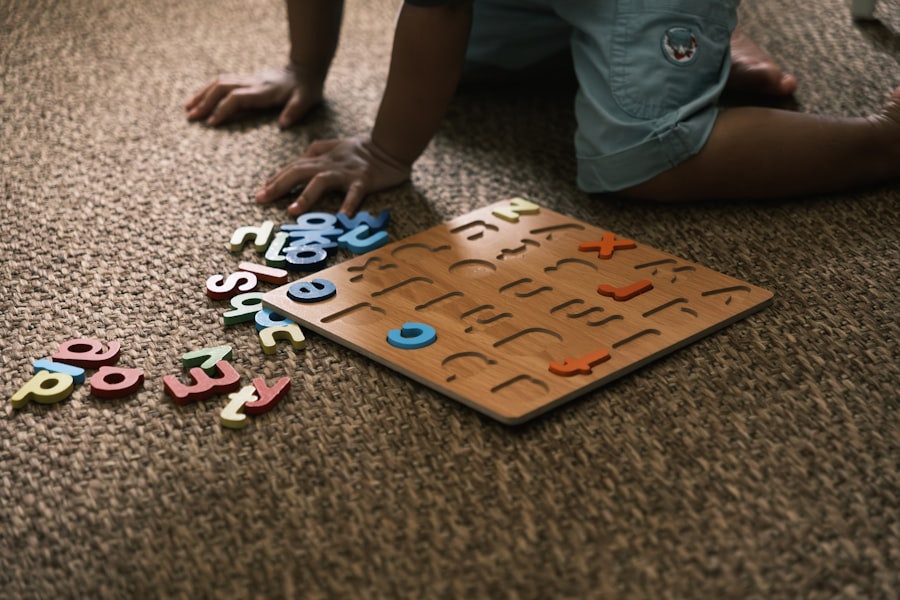
As parents, we play a crucial role in facilitating our children’s summer learning experiences through educational games. Our involvement can significantly impact their motivation and engagement levels. By participating in game sessions alongside our children, we can create a supportive environment that fosters collaboration and shared learning experiences.
This not only strengthens our bond with our children but also demonstrates the value of education in a fun and approachable manner. Additionally, we can encourage discussions around the games our children are playing. Asking open-ended questions about their experiences or what they learned can help reinforce their understanding and spark curiosity about new topics.
By actively engaging with our children’s learning process, we can help them develop critical thinking skills while also making summer learning an enjoyable family activity.
Overcoming Challenges and Obstacles in Implementing Educational Games for Summer Learning
While incorporating educational games into our summer routine can be highly beneficial, we may encounter challenges along the way. One common obstacle is screen time management; as parents, we often worry about how much time our children spend on devices. To address this concern, we can establish clear guidelines around screen time while ensuring that educational games are part of a balanced routine that includes outdoor play and family activities.
Another challenge may arise from our children’s initial resistance to engaging with educational content during their break from school. To overcome this hurdle, we can frame educational games as exciting adventures rather than chores. By highlighting the fun aspects of these games and celebrating small achievements together, we can help shift their perspective and encourage a more positive attitude towards summer learning.
Monitoring Progress and Assessing the Impact of Educational Games on Summer Learning
To ensure that our efforts in implementing educational games are effective, it is essential to monitor our children’s progress throughout the summer. We can do this by keeping track of their achievements within the games themselves or by observing improvements in their academic skills over time. Many educational apps provide progress reports or feedback mechanisms that allow us to assess how well our children are grasping key concepts.
Additionally, we should take note of any changes in our children’s attitudes towards learning as they engage with these games. Are they more enthusiastic about tackling new challenges? Are they expressing curiosity about subjects they previously found difficult?
By reflecting on these observations, we can gain valuable insights into how educational games are impacting our children’s overall learning experience during the summer months.
Tips for Making Summer Learning with Educational Games Fun and Engaging
To maximise the enjoyment of summer learning through educational games, we can implement several strategies that make the experience more engaging for our children. Firstly, we can introduce friendly competition by setting up challenges or tournaments among family members or friends. This not only adds an element of excitement but also encourages social interaction and teamwork.
We can also incorporate rewards or incentives for completing certain milestones within the games. For instance, after achieving a specific score or completing a level, we might treat our children to a special outing or activity of their choice. This positive reinforcement helps motivate them to continue engaging with educational content while associating it with fun experiences.
Addressing the Summer Slide with Educational Games in Different Subject Areas
Educational games can be tailored to address various subject areas affected by the summer slide. For instance, reading comprehension can be reinforced through interactive storytelling apps like COCO THINKS, where children explore narratives and answer questions based on what they’ve read. Similarly, mathematics skills can be sharpened through engaging puzzles and challenges found in COCO MOVEs.
Furthermore, science concepts can be introduced through interactive experiments or quizzes available in various educational apps. By diversifying the subject areas covered through these games, we can ensure that our children’s learning remains well-rounded and comprehensive throughout the summer months.
The Long-Term Benefits of Summer Learning with Educational Games
In conclusion, embracing educational games as part of our summer learning strategy offers numerous long-term benefits for our children. Not only do these games help combat the summer slide by reinforcing essential skills in an enjoyable manner, but they also foster a love for learning that extends beyond the classroom walls. By actively engaging with our children’s education during the summer months, we empower them to take ownership of their learning journey while creating cherished memories together.
As we navigate this exciting season filled with opportunities for growth and exploration, let us remember the importance of maintaining academic progress through fun and interactive means. With tools like COCO THINKS and COCO MOVEs at our disposal, we have everything we need to make this summer an enriching experience for both ourselves and our children. Together, let us embrace the joy of learning while ensuring that our children return to school ready to thrive academically in the new school year ahead.
To combat the summer slide, incorporating educational games into summer learning can be both fun and effective. For instance, the article on fun learning games and engaging activities for educational play provides a variety of ideas that can keep children intellectually stimulated while enjoying their summer break. These games not only enhance learning but also promote creativity and critical thinking skills, making them an excellent resource for parents looking to maintain their children’s academic progress during the holidays.