
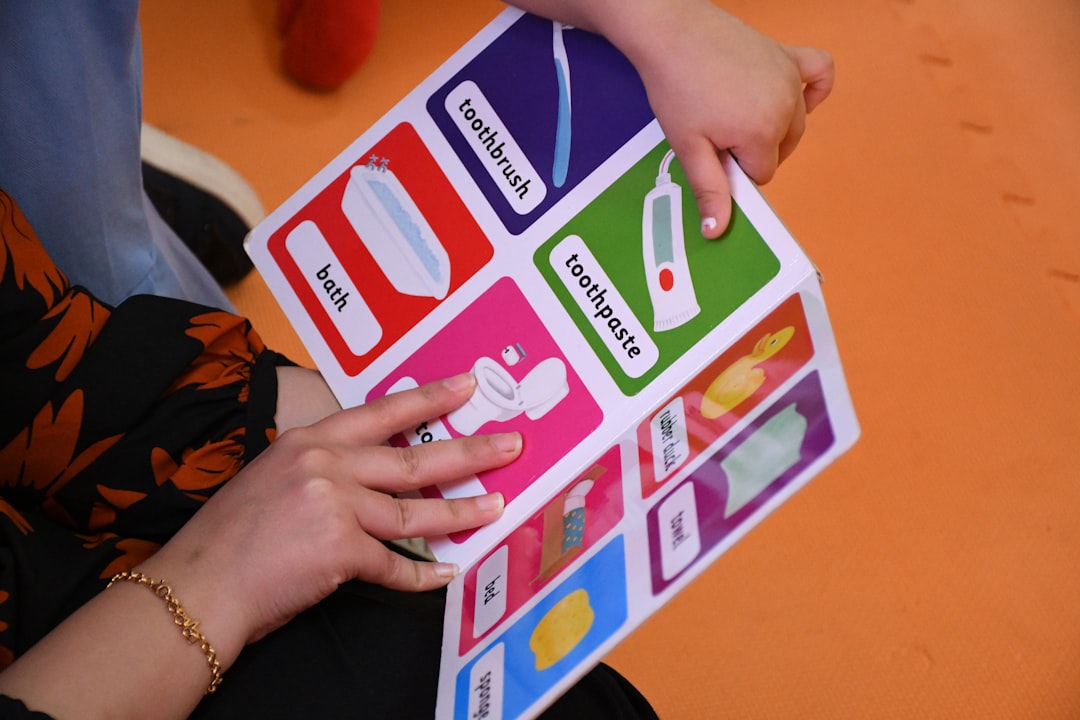
In a world where technology often dominates playtime, we find ourselves yearning for simpler, more engaging ways to educate our children. DIY educational games offer a fantastic opportunity to blend learning with fun, allowing us to create memorable experiences that foster creativity and critical thinking. By using everyday household items, we can craft games that not only entertain but also educate our children in various subjects.
As we embark on this journey of discovery, we can explore the myriad possibilities that DIY educational games present, ensuring that our children are not just passive consumers of information but active participants in their learning. Creating these games together can be a bonding experience, allowing us to spend quality time with our children while nurturing their curiosity. With the help of our educational apps like COCO THINKS and COCO MOVES, we can further enhance their learning experience.
These apps are designed for children aged 5 to 10, providing interactive and engaging content that complements the DIY games we create at home. By integrating technology with hands-on activities, we can create a holistic learning environment that caters to various learning styles and preferences.
Summary
- DIY educational games offer a fun, interactive way to support children’s learning at home.
- Using everyday household items makes creating math, science, and art games both accessible and affordable.
- Incorporating language, history, and social studies games helps broaden children’s knowledge across subjects.
- Physical education games designed for indoor play encourage active movement even in limited spaces.
- Simple puzzles and brain teasers stimulate critical thinking and problem-solving skills in kids.
Benefits of Making Educational Games at Home
The benefits of making educational games at home are manifold. Firstly, it allows us to tailor the learning experience to our children’s specific needs and interests. We can create games that focus on particular subjects or skills, ensuring that our children remain engaged and motivated.
This personalised approach not only enhances their understanding of the material but also fosters a love for learning that can last a lifetime. Moreover, DIY educational games encourage creativity and problem-solving skills. As we design and construct these games together, we can inspire our children to think critically and explore different solutions.
This hands-on approach promotes active learning, which is often more effective than traditional methods. Additionally, by involving our children in the game-making process, we empower them to take ownership of their education, instilling a sense of pride and accomplishment when they successfully play the games they helped create.
Math Games Using Household Items
Math can sometimes be perceived as a daunting subject for children, but with a little creativity, we can transform it into an enjoyable experience. Using household items, we can create various math games that make learning numbers and calculations fun. For instance, we can use pasta or dried beans as counters for addition and subtraction exercises.
By creating simple equations and asking our children to solve them using these tangible objects, we can help them visualise mathematical concepts in a way that is both engaging and effective. Another exciting math game involves creating a number line on the floor using tape. We can encourage our children to jump from one number to another as they solve problems or perform simple calculations.
This physical activity not only reinforces their understanding of numbers but also promotes coordination and balance. By incorporating movement into math learning, we can make the subject more dynamic and enjoyable for our children.
Science Experiments and Games for Kids
Science is all about exploration and discovery, making it an ideal subject for DIY educational games. We can conduct simple experiments using common household items that demonstrate scientific principles in an engaging way. For example, we can create a volcano using baking soda and vinegar, allowing our children to witness a chemical reaction firsthand.
This hands-on experience not only captivates their attention but also encourages them to ask questions and seek answers. Additionally, we can turn science into a game by organising scavenger hunts around the house or garden. We can create a list of items related to different scientific concepts—such as plants, rocks, or even kitchen ingredients—and challenge our children to find them.
This activity not only reinforces their understanding of various scientific topics but also encourages them to observe their surroundings more closely. By making science interactive and fun, we can ignite a passion for discovery in our children.
Language and Literacy Games for Children
Language and literacy are fundamental skills that lay the groundwork for effective communication and comprehension. To foster these skills at home, we can create engaging language games using everyday items. For instance, we can use flashcards made from cardboard to play memory games or matching activities that reinforce vocabulary and spelling.
By turning language learning into a game, we can make it more enjoyable and less intimidating for our children. Another creative approach involves storytelling. We can gather various household items and challenge our children to create a story incorporating those objects.
This activity not only enhances their imagination but also encourages them to think critically about narrative structure and character development. By fostering a love for storytelling, we can help our children develop their language skills while having fun in the process.
History and Geography Games for Learning
History and geography are subjects that can come alive through interactive games. We can create timelines using string and paper clips to represent significant historical events or figures, allowing our children to visualise the passage of time and understand cause-and-effect relationships. This hands-on approach makes history more relatable and engaging for young learners.
For geography, we can craft a world map on the floor using large sheets of paper or cardboard. We can then use small toys or markers to represent different countries or landmarks, encouraging our children to learn about various cultures and geographical features as they play. By incorporating movement into these activities, we can make history and geography more dynamic and memorable for our children.
Art and Creativity Games Using Household Items
Art is an essential aspect of childhood development, allowing children to express themselves creatively while honing fine motor skills. We can encourage artistic exploration by creating DIY art games using household items. For example, we can set up a painting station using old newspapers as canvases and various kitchen utensils as brushes.
This unconventional approach not only sparks creativity but also encourages experimentation with different techniques. Additionally, we can organise art challenges where our children must create something specific using only recycled materials found around the house. This activity promotes resourcefulness while allowing them to think outside the box.
By fostering creativity through art games, we can help our children develop their unique artistic voices while having fun in the process.
DIY Puzzles and Brain Teasers for Kids
Puzzles and brain teasers are excellent tools for developing critical thinking skills in children. We can create DIY puzzles using cardboard or paper by cutting out shapes or images that our children must piece together. This activity not only enhances their problem-solving abilities but also promotes patience and perseverance as they work through challenges.
Moreover, we can design riddles or brain teasers related to subjects they are currently studying. By turning learning into a game, we can make it more enjoyable while reinforcing important concepts. These activities encourage our children to think critically and creatively as they seek solutions, fostering a love for learning that extends beyond traditional classroom settings.
Physical Education Games for Indoor Play
Physical education is crucial for maintaining a healthy lifestyle, especially when outdoor play is limited due to weather or other factors. We can create indoor physical education games using household items that promote movement and coordination. For instance, we can set up an obstacle course using cushions, chairs, and other furniture items that challenge our children’s agility and balance.
Another fun indoor game involves creating a dance party where we play music and encourage our children to express themselves through movement. We can even incorporate educational elements by introducing dance routines that teach them about rhythm or counting steps. By making physical education enjoyable through DIY games, we can instil healthy habits in our children while fostering a love for movement.
Social Studies and Cultural Games for Kids
Social studies is an essential subject that helps children understand the world around them. We can create DIY games that explore different cultures and societies by using household items as props or tools for learning. For example, we could set up a « cultural fair » where each family member represents a different country or culture by preparing traditional foods or crafts associated with that culture.
Additionally, we could organise role-playing games where our children take on different historical figures or cultural icons, encouraging them to research and learn about those individuals’ contributions to society. This interactive approach not only makes social studies more engaging but also fosters empathy and understanding of diverse perspectives.
Conclusion and Tips for Making DIY Educational Games
In conclusion, DIY educational games offer an incredible opportunity for us to engage with our children in meaningful ways while enhancing their learning experiences. By utilising household items creatively, we can craft games that cater to various subjects and skills, making education enjoyable and interactive. As we embark on this journey of creating DIY educational games, here are some tips to keep in mind: – Involve your children in the planning process: Allowing them to contribute ideas fosters ownership of their learning.
– Keep it simple: Use readily available materials to ensure accessibility.
– Be flexible: Adapt games based on your children’s interests or skill levels.
– Encourage exploration: Allow room for creativity and experimentation within the games.
– Celebrate achievements: Acknowledge your children’s efforts and successes to boost their confidence.
By embracing these principles, we can create enriching experiences that inspire a lifelong love of learning in our children while strengthening our bond with them through shared playtime adventures.
If you’re looking for more ways to enhance your child’s learning experience through play, you might find the article on fun educational games for 4th graders particularly useful. It offers a variety of engaging activities that can complement the DIY educational games you can create with household items, ensuring that learning remains both enjoyable and effective.