

In today’s fast-paced world, the significance of educational games cannot be overstated. These games serve as a bridge between learning and play, making the acquisition of knowledge an engaging experience for children. At a time when traditional methods of education can sometimes feel monotonous, educational games like COCO THINKS and COCO MOVEs offer a refreshing alternative.
They not only stimulate cognitive development but also foster creativity and critical thinking skills in children aged 5 to 10. By integrating fun into learning, we can capture the attention of young minds and encourage them to explore new concepts with enthusiasm. Moreover, educational games provide a unique platform for children to learn at their own pace.
Unlike conventional classroom settings, where the pace is often dictated by the teacher, these games allow for individualised learning experiences. Children can revisit challenging concepts as many times as they need, reinforcing their understanding without the pressure of competition. This self-directed approach nurtures a love for learning, as children feel empowered to take charge of their educational journey.
As we embrace the importance of educational games, we recognise their potential to transform the way children engage with knowledge.
Summary
- Educational games enhance learning by combining fun with clear objectives.
- Selecting games that balance challenge and enjoyment keeps learners engaged.
- Monitoring progress allows for adjusting difficulty to suit individual needs.
- Encouraging collaboration and competition fosters social skills and motivation.
- Providing feedback and real-world applications deepens understanding and relevance.
Understanding the Learning Objectives
To maximise the benefits of educational games, it is crucial to have a clear understanding of the learning objectives they aim to achieve. Each game should be designed with specific goals in mind, whether it’s enhancing problem-solving skills, improving memory retention, or fostering social interaction. For instance, COCO THINKS focuses on cognitive development through various brain-training exercises that challenge children’s reasoning abilities and memory skills.
By aligning the game’s content with educational standards, we can ensure that children are not only having fun but also meeting essential learning milestones. In addition to cognitive skills, we must also consider emotional and social learning objectives. Games that encourage teamwork and collaboration can help children develop essential interpersonal skills.
COCO MOVEs, for example, incorporates physical activity into its gameplay, promoting not only mental agility but also physical well-being. By understanding the multifaceted nature of learning objectives, we can create a more holistic educational experience that addresses various aspects of a child’s development.
Incorporating Fun Elements
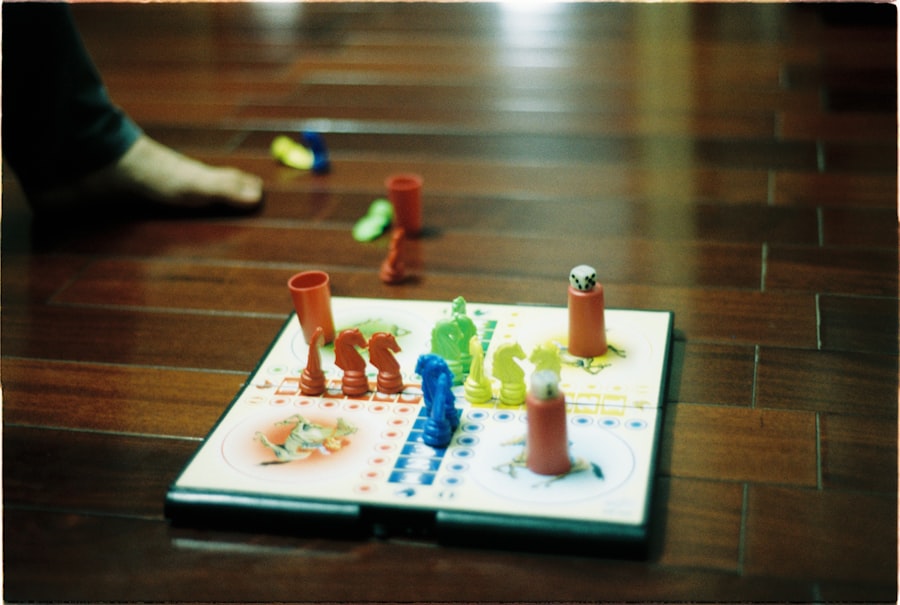
One of the key components that make educational games effective is their ability to incorporate fun elements seamlessly into the learning process. When children are engaged in enjoyable activities, they are more likely to absorb information and retain it over time. This is where our apps shine; COCO THINKS and COCO MOVEs are designed with vibrant graphics, interactive challenges, and rewarding feedback systems that keep children motivated.
By transforming learning into an adventure, we can ignite curiosity and foster a lifelong love for knowledge. Furthermore, incorporating fun elements can also help reduce anxiety associated with learning new concepts. Many children may feel intimidated by traditional educational settings or fear failure when faced with challenging material.
Educational games provide a safe space for exploration and experimentation, allowing children to make mistakes without fear of judgement. This playful approach not only enhances their confidence but also encourages resilience as they learn to navigate challenges in a supportive environment.
Choosing the Right Educational Games
Selecting the right educational games is paramount to ensuring that children benefit from their experiences. With a plethora of options available in today’s digital landscape, it can be overwhelming to determine which games align best with our educational goals. We should consider factors such as age appropriateness, content relevance, and engagement level when making our choices.
For instance, COCO THINKS is tailored specifically for younger learners, offering age-appropriate challenges that stimulate cognitive growth while keeping them entertained. Additionally, it is essential to evaluate the quality of the game’s content. Games that are well-researched and developed by educational experts tend to provide more effective learning experiences.
We should look for games that not only entertain but also educate in meaningful ways. By prioritising quality over quantity, we can ensure that our children are engaging with games that truly enhance their learning journey.
Balancing Challenge and Enjoyment
Finding the right balance between challenge and enjoyment is crucial in educational gaming. If a game is too easy, children may quickly lose interest; conversely, if it is too difficult, they may become frustrated and disengaged. Our goal should be to create an environment where children feel challenged yet capable of overcoming obstacles.
COCO MOVEs exemplifies this balance by offering progressively difficult levels that adapt to each child’s skill level, ensuring that they remain engaged while still experiencing a sense of achievement. Moreover, incorporating elements of gamification can enhance this balance further. By introducing rewards, badges, or leaderboards, we can motivate children to push their limits while still enjoying the process.
This sense of accomplishment not only boosts their confidence but also reinforces their desire to continue learning. As we strive to create an optimal learning experience through educational games, maintaining this delicate balance will be key to fostering long-term engagement.
Monitoring Progress and Adjusting Difficulty
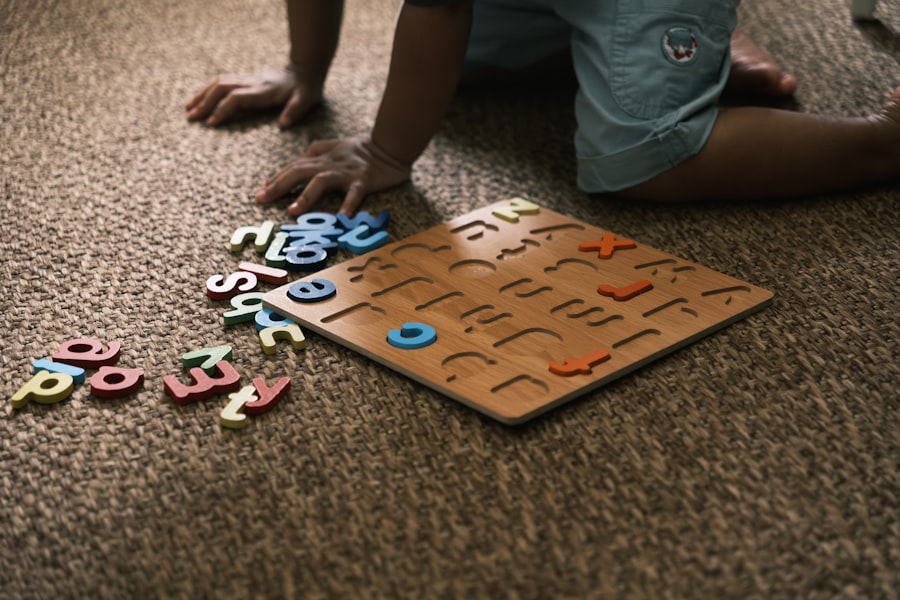
To ensure that children are benefiting from educational games, it is essential to monitor their progress regularly and adjust difficulty levels accordingly. Many educational apps, including Clint your brain coach for adults and teenagers, offer built-in tracking features that allow us to assess performance over time. By analysing data on completed challenges and areas where children may struggle, we can tailor their gaming experience to better suit their needs.
Adjusting difficulty is not just about making tasks harder; it’s also about providing appropriate support when needed. If a child consistently struggles with a particular concept, we can introduce supplementary resources or modify the game’s challenges to help them build confidence before progressing further. This personalised approach ensures that each child receives the support they need while still being encouraged to take on new challenges.
Encouraging Collaboration and Competition
Educational games can also serve as powerful tools for fostering collaboration and healthy competition among peers. By incorporating multiplayer features or group challenges into our apps like COCO THINKS and COCO MOVEs, we can create opportunities for children to work together towards common goals or compete in friendly contests. This social aspect not only enhances engagement but also teaches valuable lessons about teamwork and sportsmanship.
Encouraging collaboration allows children to learn from one another while developing essential communication skills. They can share strategies, discuss problem-solving approaches, and celebrate each other’s successes. On the other hand, healthy competition can motivate children to strive for improvement while instilling a sense of achievement when they reach new milestones.
By striking this balance between collaboration and competition, we can create a dynamic learning environment that promotes both individual growth and collective success.
Providing Feedback and Rewards
Feedback plays a vital role in the learning process, especially when it comes to educational games. Children thrive on constructive feedback that helps them understand their strengths and areas for improvement. Our apps are designed to provide immediate feedback after each challenge, allowing children to reflect on their performance and learn from their mistakes.
This instant reinforcement helps solidify concepts while keeping them motivated to continue playing. In addition to feedback, incorporating rewards into the gaming experience can further enhance motivation. Whether it’s unlocking new levels, earning badges for achievements, or receiving virtual rewards for completing challenges, these incentives encourage children to engage more deeply with the content.
By celebrating their successes and providing meaningful feedback along the way, we can create a positive reinforcement loop that fosters a love for learning.
Integrating Real-World Applications
To make educational games even more impactful, it is essential to integrate real-world applications into their design. When children can see how the skills they are developing through gameplay relate to everyday life, they are more likely to engage with the content meaningfully. For instance, COCO MOVEs incorporates physical activities that promote not only cognitive skills but also physical health—an essential aspect of overall well-being.
By connecting gameplay with real-world scenarios, we help children understand the relevance of what they are learning. This approach encourages them to apply their knowledge outside of the gaming environment and fosters critical thinking skills as they navigate real-life challenges. As we strive to create enriching educational experiences through our apps, integrating real-world applications will be key in helping children see the value of their learning journey.
Creating a Positive Learning Environment
A positive learning environment is fundamental to the success of any educational initiative, including games. We must cultivate an atmosphere where children feel safe to explore new ideas without fear of judgement or failure. Our apps aim to create such an environment by promoting inclusivity and encouraging self-expression through gameplay.
Additionally, fostering a growth mindset is essential in creating a positive learning environment. We should emphasise that mistakes are part of the learning process and encourage children to view challenges as opportunities for growth rather than obstacles. By instilling this mindset within our gaming experiences, we empower children to embrace learning with enthusiasm and resilience.
Evaluating the Impact of Educational Games
Finally, evaluating the impact of educational games is crucial in understanding their effectiveness in promoting learning outcomes. We should regularly assess how well our apps meet their intended objectives by gathering feedback from users—both children and parents alike—and analysing performance data over time. This evaluation process allows us to identify areas for improvement while celebrating successes.
By continuously refining our educational games based on user feedback and performance metrics, we can ensure that they remain relevant and effective tools for learning. As we strive to create engaging experiences through COCO THINKS, COCO MOVEs, and Clint your brain coach, our commitment to evaluating impact will guide us in delivering high-quality educational resources that truly benefit learners of all ages. In conclusion, educational games hold immense potential in transforming how we approach learning for both children and adults alike.
By understanding their importance, aligning them with clear objectives, incorporating fun elements, choosing wisely, balancing challenge with enjoyment, monitoring progress effectively, encouraging collaboration and competition, providing meaningful feedback and rewards, integrating real-world applications, creating positive environments, and evaluating impact regularly—we can harness the power of these tools to foster a love for learning that lasts a lifetime.
In exploring the intricate balance between fun and learning in educational games, it is also beneficial to consider how these games can support specific developmental skills. For instance, the article on the best educational games for developing fine motor skills provides valuable insights into how engaging gameplay can enhance children’s physical abilities while keeping them entertained. This connection between enjoyment and skill development is crucial for creating effective educational experiences.