
In an age dominated by screens, the allure of digital entertainment can often overshadow the value of traditional, screen-free educational games. Engaging in these games offers a multitude of benefits that extend beyond mere enjoyment. For starters, screen-free games encourage face-to-face interaction, fostering communication skills and strengthening family bonds.
When we gather around a table to play, we create an environment ripe for conversation, laughter, and shared experiences. This social interaction is crucial for developing emotional intelligence in children, as they learn to navigate social cues and express themselves more effectively. Moreover, screen-free educational games stimulate cognitive development in ways that digital games may not.
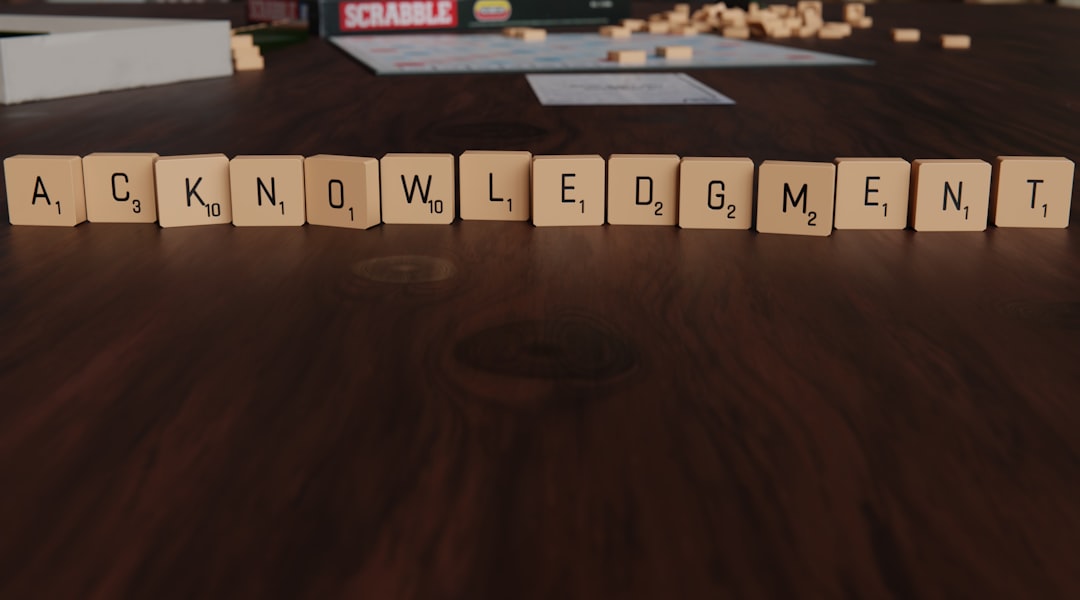
These games often require players to think critically, strategise, and solve problems collaboratively. For instance, when we play a classic board game like Scrabble, we not only enhance our vocabulary but also engage in strategic thinking as we decide where to place our tiles for maximum points. This kind of mental exercise is invaluable for children aged 5 to 10, as it lays the groundwork for future academic success.
By choosing screen-free options, we are investing in our children’s cognitive growth while also enjoying quality time together.
Summary
- Screen-free educational games enhance learning while reducing screen time for children.
- Choosing the right games involves considering age, interests, and educational value.
- Classic board and card games offer timeless educational benefits for family engagement.
- Cooperative and outdoor games promote teamwork, critical thinking, and physical activity.
- DIY and age-appropriate games can be tailored to support homeschooling and remote learning.
How to Choose the Right Educational Games for Family Game Night
Selecting the right educational games for family game night can be a delightful yet daunting task. With so many options available, it’s essential to consider the interests and developmental stages of our children. One effective approach is to involve them in the decision-making process.
By asking for their input on what types of games they find appealing, we can ensure that everyone is excited about the evening ahead. For example, if our children express an interest in animals or nature, we might opt for games that incorporate these themes, making learning feel more relevant and engaging. Another crucial factor to consider is the educational value of the games we choose.
We should look for games that align with our children’s learning objectives while also being fun to play. For instance, COCO THINKS and COCO MOVEs are excellent choices for kids aged 5 to 10, as they combine fun with educational content tailored to their developmental needs. These apps encourage critical thinking and physical activity, making them perfect for a balanced game night.
By carefully selecting games that cater to both enjoyment and education, we can create a memorable experience that enriches our children’s learning journey.
Classic Board Games with Educational Value
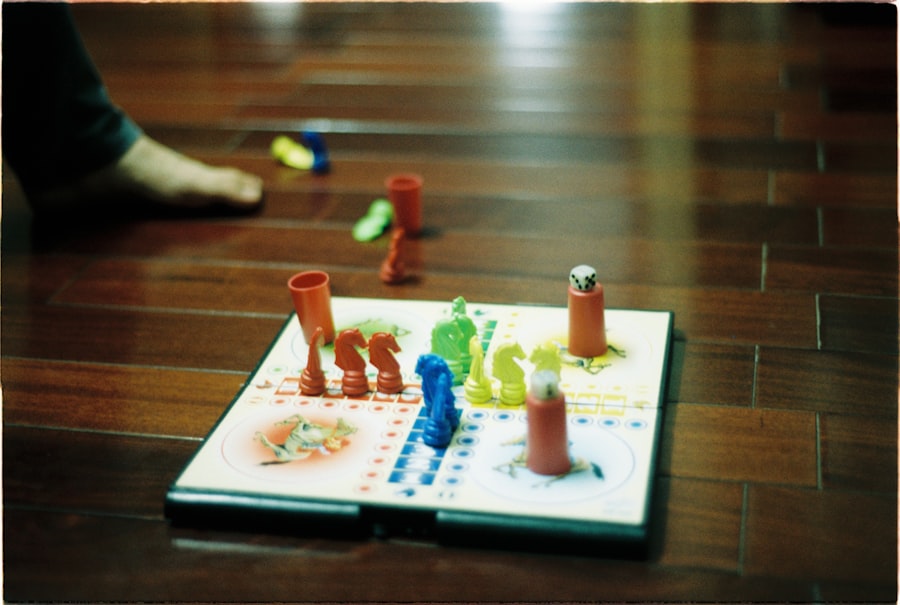
Classic board games have stood the test of time for good reason; they offer a wealth of educational benefits while providing hours of entertainment. Games like Monopoly teach children about money management and strategic planning, while Cluedo enhances deductive reasoning skills as players work to solve a mystery. When we gather around the table to play these timeless games, we not only enjoy each other’s company but also engage in valuable learning experiences that can be applied in real-life situations.
Additionally, many classic board games promote teamwork and collaboration. Games such as Pictionary or Charades require players to work together and communicate effectively to achieve a common goal. This not only strengthens family bonds but also teaches children the importance of cooperation and compromise.
By incorporating these classic games into our family game nights, we can create an atmosphere of learning and fun that benefits everyone involved.
Creative and Artistic Educational Games for Children
Creativity plays a vital role in a child’s development, and incorporating artistic educational games into our family game nights can nurture this essential skill. Games that encourage creativity allow children to express themselves freely while also developing their problem-solving abilities. For instance, art-based games like « Doodle Quest » challenge players to draw and create while solving puzzles, blending artistic expression with critical thinking.
Moreover, creative educational games can foster collaboration among siblings and family members. When we engage in activities that require teamwork, such as building a story together or creating a group artwork, we not only enhance our children’s creativity but also strengthen their interpersonal skills. By prioritising creative and artistic educational games during our family game nights, we can cultivate an environment where imagination flourishes and learning becomes an enjoyable adventure.
Educational Card Games for Family Game Night
Card games are another fantastic option for family game nights, offering both entertainment and educational value in a compact format. Many card games are designed to enhance various skills such as memory, strategy, and critical thinking. For example, games like « Uno » not only provide fun but also teach children about colour recognition and number sequencing while encouraging strategic decision-making.
Furthermore, educational card games can be easily adapted to suit different age groups and learning levels. We can modify the rules or introduce new challenges to keep the game engaging for everyone involved. This flexibility allows us to create an inclusive atmosphere where all family members can participate and learn together.
By incorporating educational card games into our family game nights, we can ensure that everyone has a chance to develop essential skills while enjoying quality time together.
Cooperative Educational Games for Sibling Bonding
Cooperative educational games are an excellent way to promote sibling bonding while also fostering teamwork and collaboration. These games require players to work together towards a common goal rather than competing against one another. This collaborative approach encourages siblings to communicate effectively and develop problem-solving skills as they navigate challenges together.
For instance, games like « Forbidden Island » or « Outfoxed! » require players to strategise collectively to achieve victory. As we engage in these cooperative experiences, we create opportunities for our children to learn valuable lessons about empathy, patience, and compromise. By prioritising cooperative educational games during our family game nights, we can strengthen sibling relationships while also enhancing their social skills.
Educational Games that Promote Critical Thinking and Problem-Solving
Critical thinking and problem-solving are essential skills that will serve our children well throughout their lives. Incorporating educational games that promote these abilities into our family game nights can provide valuable learning experiences in a fun and engaging way. Games like « Rush Hour » challenge players to think strategically as they navigate obstacles to reach their destination, honing their analytical skills in the process.
Additionally, puzzle-based games such as « Gravity Maze » encourage children to think critically as they devise solutions to complex challenges. These types of games not only stimulate cognitive development but also instil a sense of perseverance as players learn to tackle difficult problems head-on. By prioritising educational games that promote critical thinking during our family game nights, we can equip our children with the tools they need to succeed in an increasingly complex world.
Outdoor Educational Games for Family Fun
While indoor game nights are enjoyable, outdoor educational games offer a refreshing change of pace and provide unique learning opportunities. Engaging in outdoor activities allows us to combine physical exercise with education, promoting overall well-being for the entire family. Games like scavenger hunts encourage children to explore their surroundings while developing observational skills and critical thinking.
Moreover, outdoor educational games can foster teamwork and collaboration among family members. Activities such as relay races or team-building exercises require players to work together towards a common goal while enhancing their communication skills. By incorporating outdoor educational games into our family fun days, we can create lasting memories while promoting physical activity and learning simultaneously.
DIY Educational Games for a Personalised Family Game Night
Creating DIY educational games can add a personal touch to our family game nights while also allowing us to tailor the experience to our children’s interests and learning objectives. We can involve our children in the process of designing these games, encouraging creativity and collaboration from the outset. For example, we might create a custom trivia game based on their favourite subjects or interests.
Additionally, DIY educational games can be easily adapted to suit different age groups and skill levels. By modifying rules or introducing new challenges, we can ensure that everyone remains engaged and challenged throughout the evening. This personalised approach not only enhances the learning experience but also fosters a sense of ownership and pride in the games we’ve created together.
Educational Games for Different Age Groups
When planning family game nights, it’s essential to consider the diverse age groups within our household. Selecting educational games that cater to various developmental stages ensures that everyone can participate and benefit from the experience. For younger children aged 5-7, simple board games like « Candy Land » or « Chutes and Ladders » provide foundational skills such as counting and colour recognition.
For older children aged 8-10, more complex games like « Ticket to Ride » or « Catan » introduce strategic thinking and resource management concepts. By carefully selecting age-appropriate educational games for each family member, we can create an inclusive atmosphere where everyone feels valued and engaged during our game nights.
Incorporating Educational Games into Homeschooling or Remote Learning
As homeschooling or remote learning becomes increasingly popular, incorporating educational games into these settings can enhance the learning experience significantly. Games like COCO THINKS offer interactive activities that reinforce key concepts while keeping children engaged and motivated. By integrating these apps into our daily routines, we can create a dynamic learning environment that complements traditional teaching methods.
Moreover, using educational games during homeschooling allows us to tailor lessons to our children’s interests and learning styles. We can select specific games that align with their current curriculum or focus on areas where they may need additional support. This personalised approach not only makes learning more enjoyable but also fosters a love for education that will last a lifetime.
In conclusion, embracing educational games—whether screen-free or digital—can transform our family game nights into enriching experiences filled with laughter and learning. By carefully selecting age-appropriate options that promote critical thinking, creativity, and collaboration, we can create lasting memories while nurturing essential skills in our children. As we gather around the table or venture outdoors for some fun-filled activities, let us remember that every game is an opportunity for growth and connection within our families.
For families looking to enhance their game night with screen-free educational options, exploring a variety of engaging activities can be beneficial. One related article that offers a wealth of ideas is Fun and Educational Games for Learning, which provides a selection of games designed to promote learning while ensuring that everyone has a great time together. This resource can help families discover new ways to combine fun and education, making game night both enjoyable and enriching.