As we delve into the complexities of Oppositional Defiant Disorder (ODD), it becomes clear that this condition is more than just a phase of childhood rebellion. ODD is characterised by a consistent pattern of defiant, disobedient, and hostile behaviour towards authority figures. Children with ODD often exhibit symptoms such as irritability, anger, and argumentative behaviour, which can significantly disrupt their daily lives and relationships.
Understanding ODD is crucial for us as parents, educators, and caregivers, as it allows us to approach these children with empathy and tailored strategies. The origins of ODD can be multifaceted, often stemming from a combination of genetic, environmental, and psychological factors. It is essential for us to recognise that children with ODD are not simply misbehaving; they may be struggling with underlying emotional issues or difficulties in processing their feelings.
By fostering an understanding of ODD, we can create a supportive environment that encourages positive behaviour and emotional growth.
Summary
- Oppositional Defiant Disorder (ODD) significantly affects children’s behaviour, often leading to challenges in social interactions and emotional regulation.
- Games, especially structured and therapeutic ones, can play a crucial role in managing ODD symptoms by promoting impulse control and emotional regulation.
- Specific types of games, such as cooperative and role-playing games, help improve social skills and encourage positive behaviour in children with ODD.
- Incorporating games into treatment plans offers an engaging way for children to learn self-control and develop better coping strategies.
- Parents and caregivers are encouraged to use games thoughtfully as supportive tools, with future interventions likely to expand on game-based therapies for ODD.
The Impact of ODD on Children’s Behaviour
The impact of ODD on children’s behaviour can be profound and far-reaching. Children with ODD often find themselves in a cycle of conflict with peers, teachers, and family members. Their defiance can lead to strained relationships, academic challenges, and social isolation.
As we observe these behaviours, it is vital to remember that the child is not acting out for attention or to be difficult; rather, they may be expressing their internal struggles in ways that are difficult for them to articulate. Moreover, the emotional toll on children with ODD can be significant. They may experience feelings of frustration, sadness, and low self-esteem as a result of their interactions with others.
This emotional distress can further exacerbate their symptoms, creating a vicious cycle that is challenging to break. By understanding the impact of ODD on behaviour, we can better support these children in navigating their emotions and developing healthier coping mechanisms.
The Role of Games in Managing ODD Symptoms

Games can play a pivotal role in managing the symptoms of ODD. Engaging in play allows children to express themselves in a safe and structured environment while also providing opportunities for learning and growth. Through games, we can introduce concepts such as teamwork, patience, and emotional regulation in a way that feels natural and enjoyable for children.
This approach not only helps to alleviate some of the symptoms associated with ODD but also fosters a sense of belonging and connection. In our educational app, COCO THINKS and COCO MOVES, we have designed games specifically aimed at helping children develop essential skills while having fun. These games encourage critical thinking, problem-solving, and social interaction—all vital components in managing ODD symptoms.
By incorporating game-based learning into our approach, we can create an engaging platform that resonates with children and supports their emotional development.
Types of Games That Can Benefit Children with ODD
When considering the types of games that can benefit children with ODD, it is essential to focus on those that promote positive behaviours and emotional understanding. Cooperative games that require teamwork can help children learn to work together towards a common goal, fostering social skills and reducing feelings of isolation. Additionally, games that involve role-playing or storytelling can provide children with opportunities to explore different perspectives and practice empathy.
Another effective type of game is one that incorporates mindfulness techniques. These games can teach children how to manage their emotions and reactions in various situations. For instance, breathing exercises or guided visualisations integrated into gameplay can help children learn to calm themselves when they feel overwhelmed.
By selecting games that align with these principles, we can create a supportive environment that encourages growth and development for children with ODD.
How Games Can Improve Social Skills in Children with ODD
Improving social skills is a crucial aspect of supporting children with ODD. Games provide an excellent platform for practising these skills in a low-pressure setting. Through interactive play, children can learn how to communicate effectively, share their thoughts and feelings, and navigate conflicts with peers.
As we engage in these activities together, we can model appropriate social behaviours and reinforce positive interactions. Moreover, games often require turn-taking and cooperation, which are essential components of social skills development. By participating in group games or team challenges, children with ODD can learn the importance of patience and collaboration.
This not only helps them build friendships but also enhances their ability to function within various social contexts. As we witness these improvements in social skills, we can celebrate the progress our children make in their relationships with others.
Using Games to Teach Emotional Regulation

Teaching emotional regulation is another critical area where games can make a significant impact for children with ODD. Many children struggle to identify and manage their emotions effectively, leading to outbursts or defiance. Through carefully designed games, we can help children recognise their feelings and develop strategies for coping with them.
For example, we might use role-playing games where children act out different scenarios involving frustration or disappointment. This allows them to practise responding to these emotions in constructive ways rather than resorting to defiance or anger. Additionally, incorporating visual aids or emotion cards into gameplay can help children articulate their feelings more clearly.
By using games as a tool for teaching emotional regulation, we empower children to take control of their emotions and respond more positively to challenging situations.
The Importance of Structured Play for Children with ODD
Structured play is particularly beneficial for children with ODD as it provides a predictable environment where they can thrive. Unlike unstructured play, which may lead to chaos or conflict, structured play offers clear rules and expectations that help children feel secure. This sense of security is vital for children with ODD, as it allows them to focus on developing their skills without the added stress of uncertainty.
In our educational app COCO THINKS and COCO MOVES, we emphasise the importance of structured play by providing guided activities that promote learning while maintaining an element of fun. By engaging in structured play together, we create opportunities for bonding and connection while also addressing the specific needs of children with ODD. This approach not only enhances their learning experience but also fosters a sense of accomplishment as they navigate challenges successfully.
How Games Can Help with Impulse Control
Impulse control is often a significant challenge for children with ODD. They may struggle to think before acting or find it difficult to resist immediate temptations. Games that require strategic thinking or delayed gratification can be particularly effective in helping children develop better impulse control.
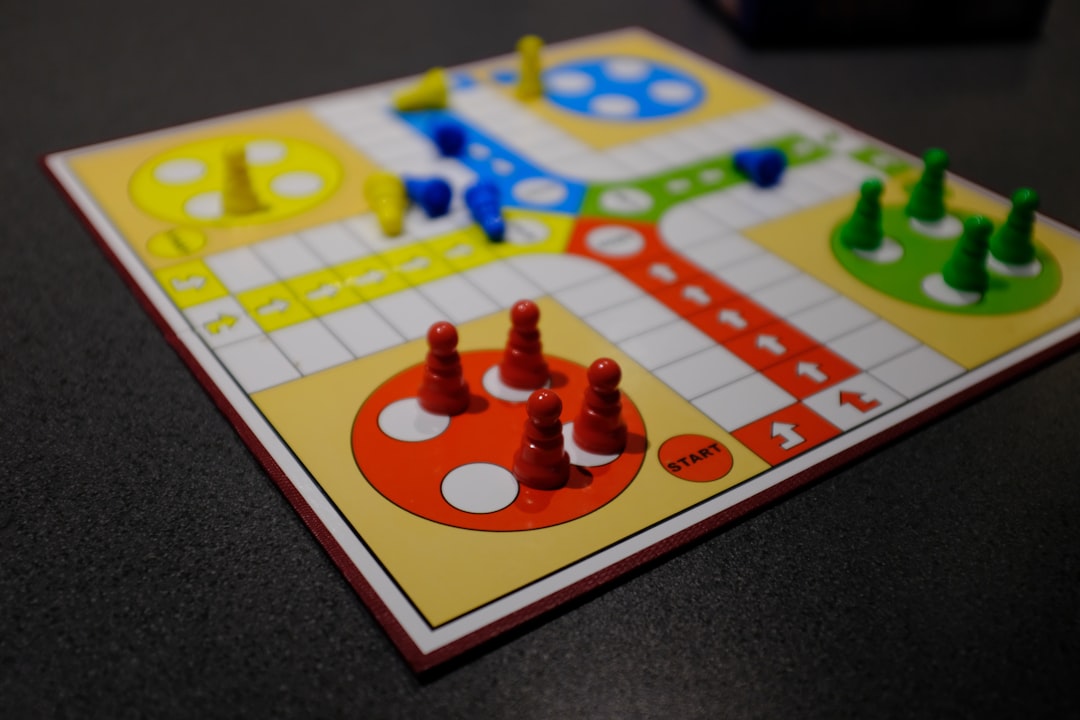
For instance, turn-based games encourage players to wait for their turn before acting, reinforcing the concept of patience. Additionally, incorporating reward systems into gameplay can motivate children to practise impulse control effectively. By setting up small rewards for demonstrating self-control during games—such as waiting patiently or following rules—we can reinforce positive behaviours while making the learning process enjoyable.
As we work together on these skills through games, we empower our children to make better choices both in play and in their daily lives.
Incorporating Games into ODD Treatment Plans
Incorporating games into treatment plans for children with ODD can enhance traditional therapeutic approaches by making them more engaging and relatable. As we collaborate with mental health professionals or educators, we can integrate game-based strategies into therapy sessions or classroom activities. This holistic approach allows us to address the unique needs of each child while providing them with enjoyable ways to learn and grow.
For instance, therapists might use specific games during sessions to target particular behaviours or skills that need improvement. By aligning game objectives with therapeutic goals, we create a seamless connection between play and learning. This integration not only makes therapy more enjoyable for children but also reinforces the lessons learned during sessions when they engage in similar activities outside of therapy.
Tips for Parents and Caregivers on Using Games to Support Children with ODD
As parents and caregivers, there are several strategies we can employ when using games to support children with ODD: – **Choose Age-Appropriate Games**: Select games that are suitable for your child’s age and developmental level to ensure they remain engaged.
– **Set Clear Rules**: Establish clear rules before starting a game to provide structure and predictability.
– **Encourage Teamwork**: Opt for cooperative games that promote teamwork and collaboration among players.
– **Model Positive Behaviour**: Demonstrate appropriate responses during gameplay to reinforce positive behaviours.
– **Celebrate Achievements**: Acknowledge your child’s successes during games to boost their confidence and motivation. By implementing these tips into our gaming experiences with children who have ODD, we create an environment that fosters growth while making learning enjoyable.
The Future of Game-Based Interventions for Children with ODD
Looking ahead, the future of game-based interventions for children with ODD appears promising. As technology continues to evolve, we anticipate the development of even more innovative tools designed specifically for supporting children’s emotional and behavioural needs. With advancements in virtual reality and interactive gaming experiences, we may soon see new ways to engage children in meaningful play that addresses their unique challenges.
Moreover, ongoing research into the effectiveness of game-based interventions will likely lead to more tailored approaches that cater specifically to the needs of children with ODD. As we continue to explore the potential of games in therapeutic settings, we remain hopeful that these interventions will become an integral part of comprehensive treatment plans for children facing behavioural challenges. In conclusion, understanding Oppositional Defiant Disorder (ODD) is essential for us as parents and caregivers as we strive to support our children’s emotional growth and development.
By incorporating games into our approach—whether through structured play or targeted interventions—we can create an environment that fosters positive behaviours while making learning enjoyable. Together, we can empower our children to navigate their emotions effectively and build meaningful connections with others.
In exploring the benefits of games for children with Oppositional Defiant Disorder, it is also essential to consider the broader context of play in child development. An insightful article on the importance of play in developing social skills can be found here. This resource highlights how engaging in play not only fosters social interactions but also aids in emotional regulation, which can be particularly beneficial for children facing behavioural challenges.