
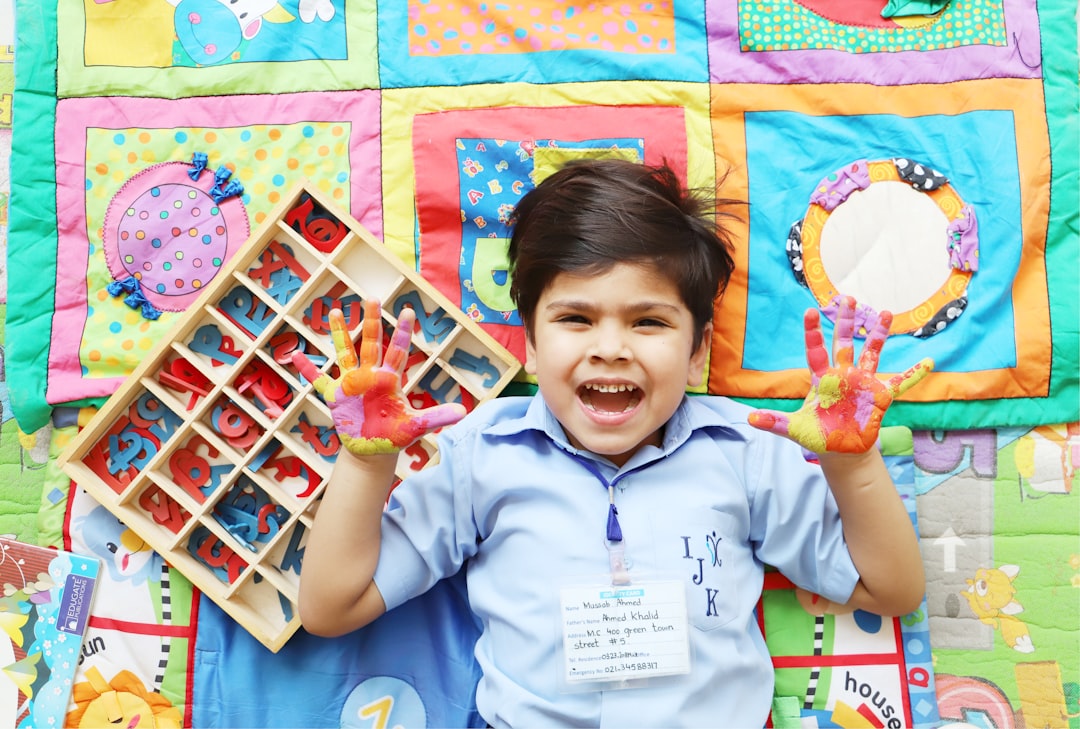
As we delve into the world of educational games, we find that they offer a multitude of benefits, particularly for children with hearing impairments. These games are not merely tools for entertainment; they serve as vital resources that can enhance learning experiences. By engaging children in interactive and stimulating environments, educational games can help bridge the gap in communication and learning that often accompanies hearing challenges.
One of the most significant advantages of educational games is their ability to provide visual and tactile stimuli. For children with hearing impairments, these sensory inputs can be crucial in understanding concepts that might otherwise be difficult to grasp. Games designed with vibrant visuals and engaging activities can capture their attention and encourage participation.
This engagement fosters a sense of belonging and motivation, which is essential for effective learning.
Summary
- Educational games enhance language, communication, and social skills in children with hearing impairments.
- Accessible and inclusive game design is crucial for effective learning and engagement.
- Selecting appropriate games involves considering the child’s specific needs and abilities.
- Educational games boost confidence, self-esteem, and academic achievement.
- Collaboration with educators and professionals maximises the benefits of educational gaming.
How Educational Games Can Improve Language and Communication Skills
When we consider the role of educational games in improving language and communication skills, it becomes evident that they can be transformative. These games often incorporate elements that promote vocabulary development, sentence structure, and comprehension. For children with hearing impairments, this is particularly important as they may rely more heavily on visual cues and context to understand language.
Through interactive gameplay, children are encouraged to express themselves and communicate with others. For instance, games that require players to describe actions or objects can help reinforce language skills in a fun and engaging way. By participating in these activities, children not only learn new words but also practice using them in context, which is vital for effective communication.
The Importance of Accessible and Inclusive Educational Games
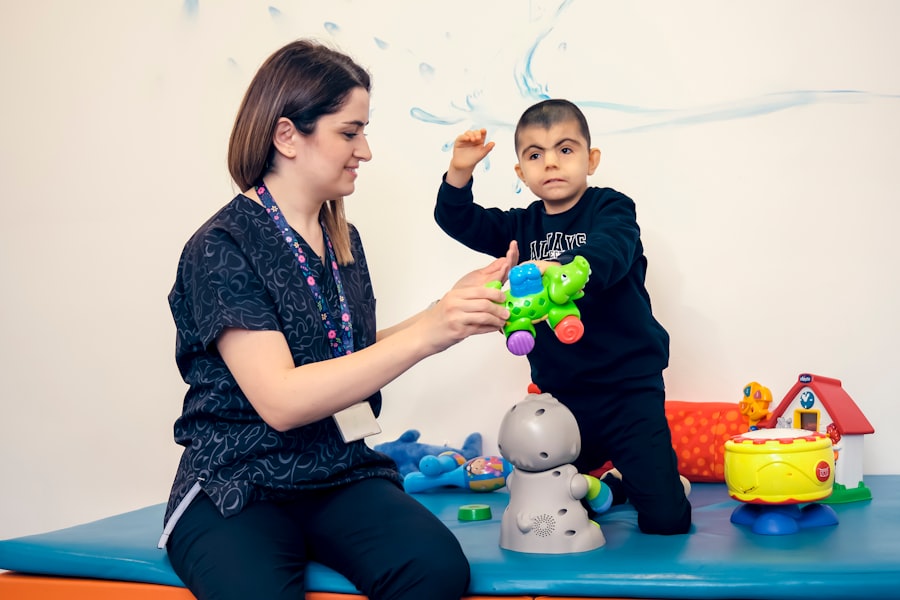
Accessibility and inclusivity are paramount when it comes to educational games for children with hearing impairments. We must ensure that these games are designed with the needs of all learners in mind. This means incorporating features such as subtitles, visual aids, and sign language options to cater to diverse learning styles.
Inclusive educational games not only benefit children with hearing impairments but also promote empathy and understanding among their peers. When we create an environment where everyone can participate, we foster a sense of community and support. This inclusivity encourages children to learn from one another, share experiences, and develop friendships that transcend communication barriers.
Tips for Choosing the Right Educational Games for Children with Hearing Impairments
Selecting the right educational games for children with hearing impairments requires careful consideration. We should look for games that are specifically designed to cater to their unique needs. Here are some tips to guide us in making informed choices: – **Focus on Visual Elements**: Choose games that utilise strong visual cues, such as bright colours and engaging graphics, to capture attention.
– **Incorporate Sign Language**: Look for games that include sign language options or visual representations of words to enhance understanding.
– **Encourage Interaction**: Opt for games that promote social interaction, allowing children to play together and communicate effectively.
– **Assess Educational Value**: Ensure that the game has clear educational objectives and aligns with the learning goals for children with hearing impairments.
By following these guidelines, we can select games that not only entertain but also educate and empower children with hearing impairments.
Examples of Educational Games Specifically Designed for Children with Hearing Impairments
In our quest to find suitable educational games for children with hearing impairments, we can explore various options available in the market today. For instance, our app COCO THINKS offers a range of brain games designed to stimulate cognitive development while being accessible to all learners. The app features visual prompts and interactive challenges that engage children in meaningful ways.
Another example is COCO MOVES, which focuses on physical activity while incorporating educational elements. This app encourages movement and coordination through fun exercises that can be easily followed by children with hearing impairments. By integrating physical activity with learning, we create a holistic approach to education that benefits all aspects of a child’s development.
How Educational Games Can Support Social and Emotional Development in Children with Hearing Impairments
Educational games play a crucial role in supporting the social and emotional development of children with hearing impairments. Through gameplay, children have the opportunity to interact with their peers, fostering friendships and social skills. These interactions are vital for building confidence and self-esteem, as they learn to navigate social situations in a supportive environment.
Moreover, educational games often incorporate elements of teamwork and collaboration. When children work together to achieve a common goal, they develop essential skills such as communication, empathy, and problem-solving. These experiences not only enhance their social abilities but also contribute to their emotional well-being by providing a sense of belonging and acceptance.
Strategies for Incorporating Educational Games into Learning Programs for Children with Hearing Impairments
To maximise the benefits of educational games for children with hearing impairments, we must strategically incorporate them into learning programmes. One effective approach is to integrate these games into daily routines or lesson plans. By doing so, we create opportunities for children to engage with the material in a fun and interactive way.
Additionally, we can encourage parents and caregivers to participate in gameplay alongside their children. This involvement not only reinforces learning but also strengthens the bond between family members. By creating a supportive environment where learning is celebrated, we empower children to take ownership of their education.
The Role of Educational Games in Building Confidence and Self-Esteem in Children with Hearing Impairments
Building confidence and self-esteem is essential for all children, but it holds particular significance for those with hearing impairments. Educational games provide a platform for success, allowing children to experience achievement in a low-pressure setting. As they master new skills or complete challenges, they gain a sense of accomplishment that boosts their self-worth.
Furthermore, when children engage in educational games with their peers, they receive positive reinforcement from others. This social validation is crucial for developing a positive self-image. By celebrating their successes together, we create an environment where children feel valued and supported, ultimately enhancing their overall confidence.
The Impact of Educational Games on Academic Achievement for Children with Hearing Impairments
The impact of educational games on academic achievement cannot be overstated. Research has shown that interactive learning experiences can lead to improved academic performance across various subjects. For children with hearing impairments, these games can provide alternative pathways to understanding complex concepts.
By engaging with educational games that align with curriculum objectives, children can reinforce their learning in a dynamic way. For instance, games that focus on mathematics or reading comprehension can help solidify foundational skills while catering to different learning styles. As a result, we see an increase in academic achievement and a greater enthusiasm for learning.
Overcoming Barriers to Accessing Educational Games for Children with Hearing Impairments
Despite the numerous benefits of educational games, barriers still exist that hinder access for children with hearing impairments. These barriers may include financial constraints, lack of awareness about available resources, or insufficient training for educators on how to implement these tools effectively. To overcome these challenges, we must advocate for increased accessibility in educational gaming resources.
This includes promoting awareness among parents and educators about the importance of inclusive games and providing training opportunities for teachers on how to utilise these tools effectively in the classroom.
Collaborating with Teachers and Professionals to Enhance the Educational Gaming Experience for Children with Hearing Impairments
Collaboration is key when it comes to enhancing the educational gaming experience for children with hearing impairments. By working closely with teachers, speech therapists, and other professionals, we can create a comprehensive approach that addresses the unique needs of each child. Through collaboration, we can share insights about effective strategies for using educational games in the classroom setting.
Additionally, professionals can provide valuable feedback on how these games can be tailored to better support children’s learning experiences. By fostering a collaborative environment, we ensure that every child has access to the tools they need to succeed academically and socially. In conclusion, educational games hold immense potential for supporting the development of children with hearing impairments.
By focusing on accessibility, inclusivity, and collaboration, we can create enriching learning experiences that empower these children to thrive both academically and socially. Through our commitment to providing high-quality educational resources like COCO THINKS and COCO MOVES, as well as our training courses for families and educators, we strive to make a positive impact on the lives of children with special needs.
In exploring the benefits of educational games for children with hearing impairments, it is also essential to consider how play contributes to the overall development of social skills in children. An insightful article on this topic can be found at The Importance of Play in Developing Social Skills in Children, which highlights the role of interactive games in fostering communication and social interaction among peers. This connection underscores the value of inclusive educational games that cater to diverse learning needs.