
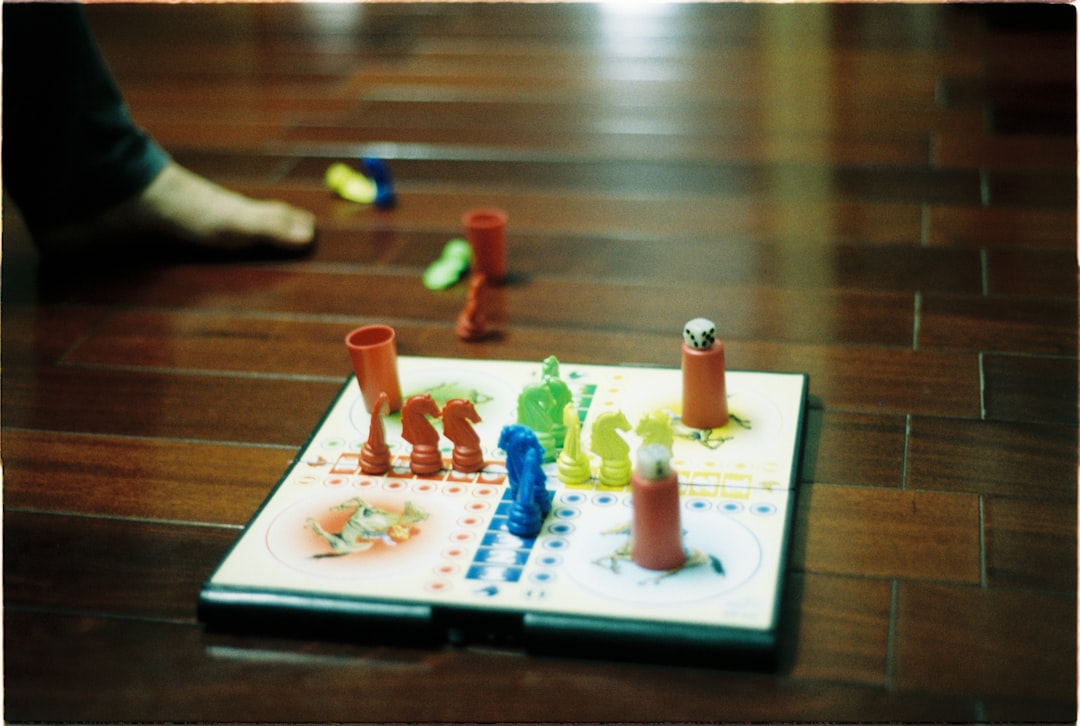
As we embark on the journey of understanding educational games for children with visual impairments, we find ourselves in a realm where creativity and inclusivity converge. The world of educational games has evolved significantly, offering a plethora of resources designed to engage and empower children with visual challenges. These games not only serve as tools for learning but also as platforms for social interaction and personal development.
In our exploration, we will delve into the various types of educational games available, their importance, and how they can be tailored to meet the unique needs of children with visual impairments. In our digital age, the integration of technology into education has opened new avenues for learning. Educational apps like COCO THINKS and COCO MOVES exemplify this shift, providing interactive experiences that cater to children in K12 settings.
These applications are designed to stimulate cognitive development while ensuring that children with visual impairments can participate fully. By harnessing the power of technology, we can create an inclusive environment where every child has the opportunity to thrive.
Summary
- Educational games play a crucial role in supporting the learning and development of children with visual impairments.
- Selecting games requires careful consideration of accessibility, sensory engagement, and educational value.
- Braille, audio, tactile, and sensory integration games offer diverse learning opportunities tailored to different needs.
- Social skills, language, communication, maths, and science games help foster holistic development in visually impaired children.
- Combining various types of educational games enhances learning outcomes and encourages inclusive education.
Importance of Educational Games for Children with Visual Impairments
The significance of educational games for children with visual impairments cannot be overstated. These games play a crucial role in fostering cognitive skills, enhancing social interactions, and building confidence. Through engaging gameplay, children are encouraged to explore their surroundings, develop problem-solving abilities, and improve their communication skills.
Moreover, educational games provide a safe space for children to learn at their own pace, allowing them to embrace challenges without the fear of failure. Furthermore, educational games can bridge the gap between traditional learning methods and the unique needs of visually impaired children. By incorporating tactile, auditory, and sensory elements, these games create a multi-dimensional learning experience that caters to various learning styles.
This approach not only makes learning enjoyable but also reinforces essential skills that are vital for academic success and personal growth.
Factors to Consider when Choosing Educational Games for Children with Visual Impairments

When selecting educational games for children with visual impairments, several factors must be taken into account to ensure that the chosen resources are effective and beneficial. Firstly, we should consider the age appropriateness of the game. It is essential to choose games that align with the developmental stage of the child, as this will enhance engagement and learning outcomes.
Additionally, we must evaluate the accessibility features of the game. For instance, does it offer audio descriptions or tactile elements? Are there options for adjusting difficulty levels?
These features are crucial in ensuring that children can navigate the game independently and confidently. Moreover, we should also consider the educational objectives of the game. Does it focus on specific skills such as language development, mathematics, or social interaction?
Aligning the game’s objectives with the child’s learning goals will maximise its effectiveness.
Best Educational Games for Children with Visual Impairments: Braille Learning Games
Braille learning games are an excellent resource for children with visual impairments, as they provide a tactile way to engage with language and literacy. These games often incorporate Braille letters and words, allowing children to learn through touch while developing their reading skills. For instance, we might consider games that involve matching Braille letters to corresponding objects or images, reinforcing letter recognition in a fun and interactive manner.
Moreover, Braille learning games can also promote collaboration among peers. By playing together, children can share their knowledge and support one another in their learning journeys. This social aspect not only enhances their understanding of Braille but also fosters friendships and teamwork skills.
As we explore these games, we can see how they contribute to building a strong foundation in literacy for visually impaired children.
Best Educational Games for Children with Visual Impairments: Audio-based Learning Games
Audio-based learning games are another fantastic option for children with visual impairments. These games rely on sound cues and verbal instructions to guide players through various challenges and activities. For example, we might encounter games that require children to identify sounds or follow audio prompts to complete tasks.
This auditory approach not only makes learning accessible but also sharpens listening skills and auditory discrimination. In addition to enhancing cognitive abilities, audio-based learning games can also be incredibly engaging. The immersive nature of sound can captivate children’s attention and encourage them to participate actively in their learning process.
As we consider these games, we recognise their potential to create an enriching educational experience that resonates with visually impaired learners.
Best Educational Games for Children with Visual Impairments: Tactile Learning Games
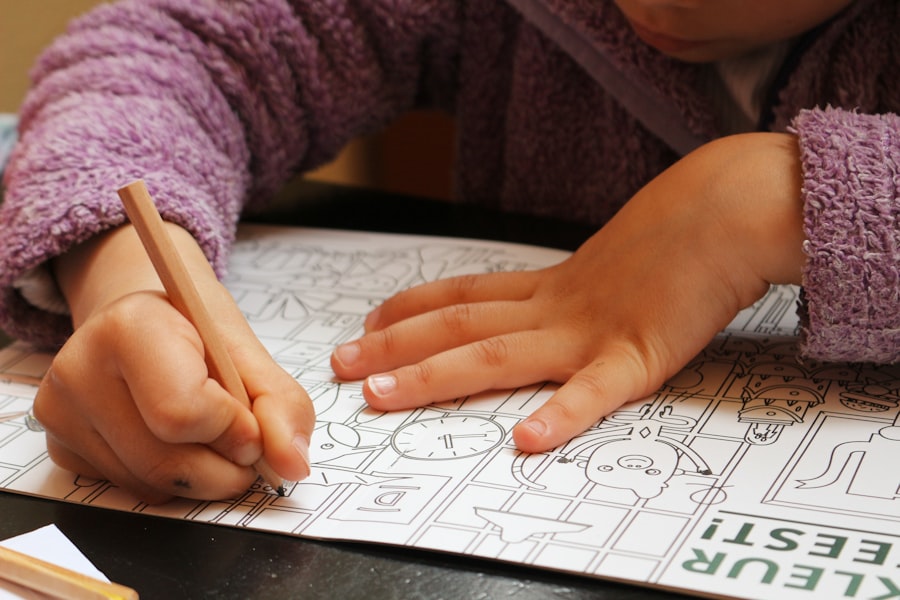
Tactile learning games are designed to stimulate a child’s sense of touch while promoting exploration and discovery. These games often incorporate various textures and materials that encourage children to engage physically with their environment. For instance, we might find games that involve sorting objects by texture or completing puzzles made from different materials.
Such activities not only enhance fine motor skills but also foster sensory awareness. Moreover, tactile learning games can be particularly beneficial in developing spatial awareness and problem-solving abilities. As children manipulate objects and navigate through challenges using their sense of touch, they gain valuable insights into their surroundings.
This hands-on approach to learning empowers visually impaired children to build confidence in their abilities while enjoying the process of discovery.
Best Educational Games for Children with Visual Impairments: Sensory Integration Games
Sensory integration games are designed to engage multiple senses simultaneously, providing a holistic approach to learning for children with visual impairments. These games often incorporate elements such as sound, touch, and even smell to create a rich sensory experience. For example, we might encounter games that involve identifying scents or matching sounds to corresponding objects.
The benefits of sensory integration games extend beyond mere enjoyment; they also play a crucial role in developing essential skills such as focus, attention, and emotional regulation. By engaging in activities that stimulate various senses, children learn to process information more effectively and develop coping strategies for sensory overload. As we explore these games, we recognise their potential to create a supportive environment where visually impaired children can thrive.
Best Educational Games for Children with Visual Impairments: Social Skills Development Games
Social skills development games are vital for fostering interpersonal relationships among children with visual impairments. These games often focus on teaching essential social cues, communication skills, and teamwork through interactive play. For instance, we might find role-playing games that encourage children to practice greetings or express emotions in different scenarios.
By participating in these games, children not only learn valuable social skills but also gain confidence in their ability to interact with others. The collaborative nature of these activities promotes empathy and understanding among peers, creating a supportive community where everyone feels valued. As we consider the importance of social skills development games, we recognise their role in helping visually impaired children navigate social situations with ease.
Best Educational Games for Children with Visual Impairments: Language and Communication Games
Language and communication games are essential tools for enhancing verbal skills among children with visual impairments. These games often focus on vocabulary building, sentence structure, and conversational skills through engaging activities. For example, we might encounter word association games or storytelling exercises that encourage children to express themselves creatively.
By participating in language and communication games, children develop confidence in their ability to articulate thoughts and ideas effectively. Furthermore, these activities promote active listening skills as children learn to engage in conversations with their peers. As we explore these resources, we recognise their potential to empower visually impaired learners in expressing themselves and connecting with others.
Best Educational Games for Children with Visual Impairments: Math and Science Games
Math and science games designed for children with visual impairments offer an exciting way to explore these subjects through hands-on experiences. These games often incorporate tactile elements or audio instructions that make complex concepts more accessible. For instance, we might find counting games that use textured counters or science experiments that rely on auditory cues.
Engaging in math and science games not only enhances academic skills but also fosters curiosity and critical thinking. As children experiment and solve problems through play, they develop a deeper understanding of mathematical concepts and scientific principles. By incorporating these educational resources into their learning journey, we can inspire visually impaired children to embrace STEM subjects with enthusiasm.
Conclusion and Recommendations for Using Educational Games for Children with Visual Impairments
In conclusion, educational games play a pivotal role in supporting the learning journey of children with visual impairments. By providing engaging resources that cater to diverse learning styles, we can create an inclusive environment where every child has the opportunity to thrive academically and socially. As we have explored various types of educational games—from Braille learning to sensory integration—we recognise the importance of tailoring our approach to meet individual needs.
As we move forward in our efforts to support visually impaired learners, we recommend incorporating a variety of educational games into their daily routines. By doing so, we can foster a love for learning while building essential skills that will serve them well throughout their lives. Additionally, our educational app COCO THINKS offers interactive experiences tailored specifically for K12 students, while our online training courses equip families and SENDCo teachers with the knowledge needed to support children with special needs effectively.
Together, let us champion inclusivity in education by embracing the power of educational games for children with visual impairments—ensuring that every child has the opportunity to shine brightly in their unique way.
In exploring the best educational games for children with visual impairments, it is also beneficial to consider how these games can foster critical thinking skills. An insightful article on this topic is available at The Role of Educational Games in Developing Critical Thinking Skills, which discusses how engaging gameplay can enhance cognitive abilities in children, including those with visual challenges. This connection highlights the importance of inclusive educational tools that not only entertain but also promote essential skills.