

As we embark on the journey of creating an inclusive environment for children during game time, we must first recognise the significance of inclusivity itself. Inclusivity is not merely a buzzword; it is a fundamental principle that ensures every child, regardless of their abilities or backgrounds, feels valued and included. When we foster an inclusive atmosphere, we not only enhance the experience for all participants but also promote social skills, empathy, and understanding among children.
This is particularly vital in educational settings, where children learn not just academic skills but also how to interact with one another. In our educational app, COCO THINKS, we strive to embody this principle by offering games that cater to a diverse range of abilities. By integrating various levels of difficulty and types of challenges, we ensure that every child can engage meaningfully with the content.
This approach not only helps children develop their cognitive skills but also reinforces the idea that everyone has something unique to contribute. When children see their peers participating and enjoying themselves, it fosters a sense of belonging that is essential for their overall development.
Summary
- Inclusivity in game time ensures everyone feels valued and engaged.
- Adapting rules and equipment helps accommodate diverse abilities.
- Clear instructions and supportive environments boost confidence and participation.
- Emphasising enjoyment and teamwork fosters positive experiences.
- Regular feedback allows continuous improvement and inclusivity.
Adapting Game Rules to Accommodate Different Abilities
Adapting game rules is a crucial step in ensuring that all children can participate fully. We understand that rigid rules can often exclude those who may need additional support or modifications. By being flexible and open to adjusting the rules, we create an environment where every child can thrive.
For instance, if a game requires running, we might allow children who have mobility challenges to participate in a way that suits their abilities, such as walking or using a wheelchair. In our online training courses for families and SENDCo teachers, we emphasise the importance of understanding each child’s unique needs. We encourage educators and parents to collaborate and brainstorm ways to modify game rules effectively.
This could involve simplifying instructions, allowing for alternative methods of participation, or even creating new games that are specifically designed to be inclusive. By doing so, we empower children to engage with their peers and enjoy the experience without feeling left out.
Providing Accessible Game Equipment
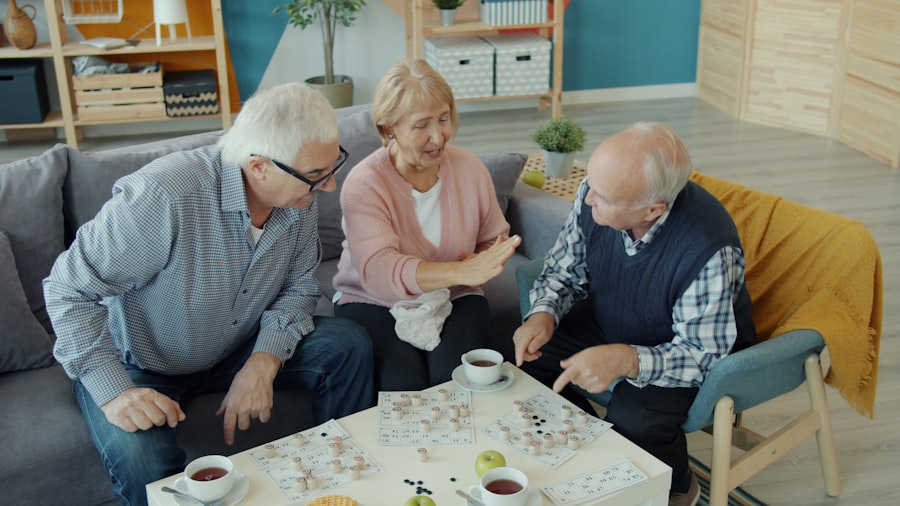
Accessibility goes beyond just adapting rules; it also involves ensuring that the equipment used in games is suitable for all children. We must consider the physical aspects of play and how they can be made more inclusive. For example, using larger balls or softer materials can make it easier for children with coordination difficulties to participate.
Additionally, providing adaptive equipment such as modified sports gear can help level the playing field. In our app, COCO MOVES, we incorporate various activities that require minimal equipment while still being engaging and fun. This approach allows us to focus on the essence of play rather than the barriers that traditional equipment might present.
By promoting accessible game equipment, we encourage creativity and resourcefulness among children, enabling them to find joy in play regardless of their circumstances.
Encouraging Teamwork and Collaboration
Teamwork is an essential component of any game, and it becomes even more critical when we aim for inclusivity. By fostering collaboration among children, we create opportunities for them to learn from one another and build meaningful relationships. In our educational games, we often design activities that require teamwork, encouraging children to communicate and strategise together.
We believe that when children work as a team, they develop essential social skills such as empathy, patience, and respect for others’ abilities. This collaborative spirit not only enhances their gaming experience but also prepares them for real-life situations where teamwork is vital. By promoting teamwork in our app and training courses, we help children understand the value of supporting one another and celebrating each other’s strengths.
Offering Alternative Game Options
To ensure inclusivity, it is essential to provide alternative game options that cater to different interests and abilities. Not every child will enjoy the same type of game or activity, so offering a variety of choices allows everyone to find something they love. In our educational app, we feature a wide range of games that focus on different skills, from cognitive challenges to physical activities.
By providing alternative options, we empower children to take ownership of their playtime experiences. They can choose games that resonate with them personally, which increases their motivation and engagement. Moreover, this approach encourages children to explore new activities they may not have considered before, broadening their horizons and fostering a love for learning through play.
Providing Clear and Concise Instructions

Clear communication is vital when it comes to inclusivity in game time. We must ensure that all children understand the rules and objectives of the games they are playing. This is particularly important for those who may have learning difficulties or language barriers.
By providing clear and concise instructions, we can help all participants feel confident in their ability to engage with the game. In our training courses for families and SENDCo teachers, we emphasise the importance of using simple language and visual aids when explaining game rules. This approach not only benefits children with special needs but also supports all learners by making information more accessible.
When everyone understands what is expected of them, they are more likely to participate actively and enjoy the experience.
Creating a Supportive and Positive Environment
A supportive environment is crucial for fostering inclusivity during game time. We must create spaces where children feel safe to express themselves and take risks without fear of judgement. Encouragement from peers and adults alike can significantly impact a child’s willingness to participate fully in games.
In our educational app, COCO THINKS, we incorporate positive reinforcement techniques that celebrate effort and progress rather than just outcomes. By focusing on individual growth and improvement, we help children build confidence in their abilities. This supportive atmosphere encourages them to try new things and embrace challenges, knowing that they are valued members of the group.
Incorporating Modifications and Adjustments
Incorporating modifications into games is essential for ensuring that all children can participate meaningfully. We recognise that each child has unique needs and preferences, which may require us to adjust certain aspects of gameplay. This could involve changing the pace of a game, allowing for breaks when needed, or providing additional support through peer buddies.
In our training courses for families and SENDCo teachers, we highlight various strategies for making effective modifications. We encourage educators to observe how children interact with games and be open to making adjustments based on their feedback. By being flexible and responsive to individual needs, we create an environment where every child can thrive.
Celebrating Individual Achievements
Celebrating individual achievements is an essential aspect of fostering inclusivity during game time. Every child has unique strengths and talents worth recognising, regardless of their abilities. By acknowledging individual accomplishments—whether big or small—we reinforce the idea that everyone has something valuable to contribute.
In our app, COCO MOVES, we incorporate features that allow children to track their progress and celebrate milestones along the way. This not only boosts their self-esteem but also encourages them to set personal goals and strive for improvement. When we celebrate achievements collectively as a group, we foster a sense of community where everyone feels appreciated.
Emphasising Participation and Enjoyment Over Competition
While competition can be a motivating factor for some children, it is essential to emphasise participation and enjoyment over winning at all costs. We believe that play should be about having fun and building connections rather than solely focusing on outcomes. By shifting our mindset away from competition, we create an environment where every child feels valued for their contributions.
In our educational app, we design games that prioritise collaboration and shared experiences rather than competitive elements. This approach encourages children to support one another and celebrate each other’s successes without feeling pressured to outperform their peers. When enjoyment takes precedence over competition, children are more likely to engage wholeheartedly in the activities.
Seeking Feedback and Input from Participants
Finally, seeking feedback from participants is crucial for creating an inclusive environment during game time. We must listen to children’s voices and consider their perspectives when designing games or activities. By involving them in the decision-making process, we empower them to express their needs and preferences.
In our training courses for families and SENDCo teachers, we encourage open communication between educators and students. We suggest conducting regular check-ins or surveys to gather feedback on what works well and what could be improved. By valuing children’s input, we demonstrate that their opinions matter and contribute to creating a more inclusive gaming experience for everyone involved.
In conclusion, fostering inclusivity during game time requires intentional efforts across various aspects of play. From adapting rules and providing accessible equipment to celebrating individual achievements and seeking feedback from participants, every step contributes to creating an environment where all children can thrive together. Through our educational app COCO THINKS and COCO MOVES as well as our training courses for families and SENDCo teachers, we are committed to promoting inclusivity in playtime experiences for all children.
Creating an inclusive game time for all ability levels is essential for fostering a supportive and engaging environment. For those looking to enhance their understanding of how to cater to diverse needs, the article on top educational games for building attention and focus offers valuable insights. This resource not only highlights games that can capture the interest of children with varying attention spans but also provides strategies to ensure that every participant feels included and valued during play.