

As we embark on the journey of understanding social stories and role-playing, we find ourselves delving into powerful tools that can significantly enhance the social skills of children, particularly those with special needs. Social stories are short narratives that describe social situations and the expected behaviours within them. They serve as a guide, helping children navigate complex social interactions by providing clear examples of what to expect and how to respond.
Role-playing, on the other hand, allows children to act out these scenarios, giving them a safe space to practice and internalise the skills they learn from social stories. In our experience, combining social stories with role-playing can create a dynamic learning environment. For instance, when we introduce a social story about sharing toys, we can follow it up with a role-playing session where children take turns playing with different toys.
This not only reinforces the concept of sharing but also allows children to experience the emotions associated with both sharing and receiving. By engaging in this interactive process, we help children develop a deeper understanding of social norms and expectations.
Summary
- Social stories and role-playing games are effective tools for teaching social skills and emotional regulation.
- Creating a safe, supportive environment is essential for successful role-playing experiences.
- Games can foster empathy, perspective-taking, and help address social challenges and conflict resolution.
- Adapting games to suit different ages and developmental stages enhances their educational impact.
- Regular feedback and reflection improve the effectiveness of game-based social stories and role-playing activities.
Choosing the Right Games for Social Stories and Role-Playing
When it comes to selecting games that complement social stories and role-playing, we must consider the interests and developmental levels of the children involved. The right games can make learning enjoyable and engaging, which is crucial for maintaining their attention and motivation. We often look for games that encourage collaboration, communication, and problem-solving, as these are essential skills for social interaction.
For example, we might choose cooperative board games where players must work together to achieve a common goal. These games not only promote teamwork but also provide opportunities for children to practice taking turns and negotiating with one another. Additionally, we can incorporate our educational app, COCO THINKS, which offers various brain games designed to enhance cognitive skills while also addressing social scenarios.
By carefully selecting games that align with our educational objectives, we create a rich learning experience that fosters social development.
Creating a Safe and Supportive Environment for Role-Playing

Creating a safe and supportive environment is paramount when engaging children in role-playing activities. We must ensure that children feel comfortable expressing themselves without fear of judgement or ridicule. This can be achieved by establishing clear ground rules and encouraging an atmosphere of respect and understanding among participants.
We often remind children that mistakes are part of the learning process and that everyone is here to support one another. In our sessions, we also emphasise the importance of positive reinforcement. When children successfully navigate a role-playing scenario or demonstrate appropriate social behaviour, we celebrate their achievements.
This not only boosts their confidence but also reinforces the desired behaviours. By fostering a nurturing environment, we empower children to explore their social skills freely and creatively.
Using Games to Teach Social Skills and Emotional Regulation
Games can serve as an effective medium for teaching social skills and emotional regulation. Through play, children can learn to identify their emotions and those of others, which is crucial for developing empathy and understanding in social situations. We often incorporate games that require players to express their feelings or respond to emotional cues from others.
For instance, we might use charades or emotion cards in our sessions, where children must act out or identify different emotions. This not only helps them recognise various emotional states but also encourages them to articulate their feelings in a constructive manner. By integrating emotional regulation into our game-based learning, we equip children with the tools they need to manage their emotions effectively in real-life situations.
Incorporating Social Stories into Game Play
Integrating social stories into game play can enhance the learning experience by providing context and relevance to the skills being practised. We often begin by reading a social story related to the game we are about to play, ensuring that children understand the social dynamics at play. This sets the stage for meaningful engagement during the game.
For example, if we are playing a game that involves taking turns, we might start with a social story about waiting patiently for one’s turn in a group setting. As we play the game, we can refer back to the story, reminding children of the key points and encouraging them to apply what they’ve learned. This seamless integration reinforces the lessons from the social story while making the game more enjoyable and impactful.
Encouraging Empathy and Perspective-Taking through Games
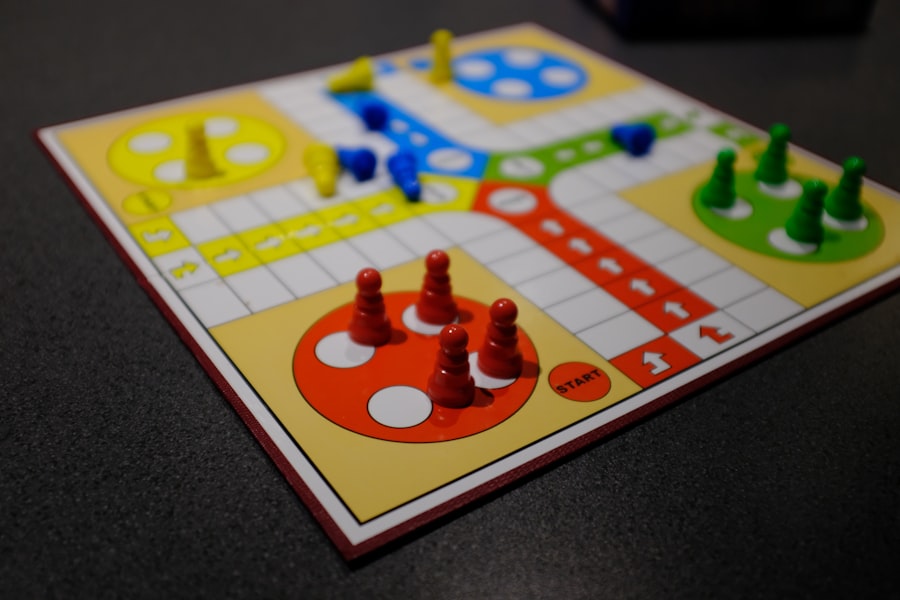
Empathy and perspective-taking are vital components of social interaction, and games provide an excellent platform for cultivating these skills. We often choose games that require players to step into each other’s shoes, allowing them to experience different viewpoints and emotions. This not only broadens their understanding of others but also fosters compassion and kindness.
One effective approach we use is storytelling through games. For instance, we might create scenarios where children must role-play as different characters facing various challenges. By discussing how each character might feel in their situation, we encourage children to think critically about emotions and motivations beyond their own experiences.
This practice not only enhances their empathy but also enriches their overall social understanding.
Addressing Social Challenges and Conflict Resolution through Role-Playing
Role-playing can be an invaluable tool for addressing social challenges and teaching conflict resolution strategies. When conflicts arise in real life, children may struggle to navigate these situations effectively. By simulating conflicts through role-playing, we provide them with a safe space to practise resolving disagreements constructively.
In our sessions, we often present common social challenges—such as disagreements over toys or misunderstandings between friends—and guide children through role-playing scenarios that explore different resolution strategies. We encourage them to communicate openly, listen actively, and find compromises that satisfy all parties involved. By equipping children with these skills through role-playing, we empower them to handle real-life conflicts with confidence.
Using Games to Explore Different Social Roles and Identities
Games can also serve as a powerful medium for exploring different social roles and identities. Through play, children can experiment with various roles—be it as a leader, a team player, or even someone from a different cultural background—allowing them to gain insights into diverse perspectives and experiences. We often incorporate role-playing games that encourage children to take on different characters or personas.
For example, they might act out scenarios involving community helpers or historical figures, prompting discussions about their roles in society. This exploration not only broadens their understanding of social dynamics but also fosters respect for diversity and inclusion.
Incorporating Feedback and Reflection into Game-Based Social Stories
Feedback and reflection are essential components of effective learning, especially when it comes to social skills development. After engaging in game-based activities or role-playing scenarios, we encourage children to reflect on their experiences and share their thoughts with one another. We often facilitate discussions where children can express what they learned from the activity, what they found challenging, and how they felt during the process.
This reflective practice not only reinforces their learning but also helps them internalise important lessons about social interactions. By incorporating feedback into our sessions, we create an environment where continuous improvement is valued.
Adapting Games for Different Age Groups and Developmental Levels
As we work with diverse groups of children, it is crucial for us to adapt games for different age groups and developmental levels. What works for one group may not be suitable for another; therefore, flexibility is key in our approach. We often modify rules or simplify concepts to ensure that all children can participate meaningfully.
For younger children, we might focus on basic social skills such as sharing or taking turns through simple games that require minimal rules. For older children or those with more advanced skills, we can introduce more complex scenarios that challenge their critical thinking and problem-solving abilities. By tailoring our games to meet the needs of each group, we ensure that every child has the opportunity to thrive.
Evaluating the Effectiveness of Game-Based Social Stories and Role-Playing
Finally, evaluating the effectiveness of our game-based social stories and role-playing activities is essential for continuous improvement. We regularly assess how well these methods are meeting our educational objectives by observing children’s engagement levels, skill development, and overall progress. We often gather feedback from parents and educators regarding changes they notice in children’s behaviour or social interactions after participating in our sessions.
This feedback helps us refine our approach and make necessary adjustments to better serve our learners’ needs. By consistently evaluating our methods, we ensure that we are providing the most effective support possible for children’s social development. In conclusion, by understanding the intricacies of social stories and role-playing while incorporating engaging games into our educational practices, we create enriching experiences that foster essential social skills in children.
Through careful selection of activities, creating supportive environments, encouraging empathy, addressing challenges, and continuously evaluating our methods, we empower children to navigate their social worlds with confidence and competence.
Incorporating games into social stories and role-playing can significantly enhance children’s learning experiences. For further insights on how to foster collaborative skills through play, you might find the article on encouraging cooperative play through educational games particularly useful. This resource provides valuable strategies that complement the use of games in social narratives, helping children develop essential social skills while having fun.