

As we embark on the journey of understanding speech and language delays, it is essential to recognise that these challenges can significantly impact a child’s development. Speech and language delays refer to the slower-than-expected acquisition of communication skills, which can manifest in various ways, such as difficulty articulating words, limited vocabulary, or challenges in understanding and processing language. These delays can arise from a multitude of factors, including developmental disorders, hearing impairments, or environmental influences.
In our experience, we have seen how these delays can affect not only the child but also their families and peers. Communication is a fundamental aspect of human interaction, and when children struggle to express themselves or comprehend others, it can lead to frustration and social isolation. Therefore, it is crucial for us to explore effective strategies and tools that can support children with speech and language delays in overcoming these hurdles.
Summary
- Educational games play a crucial role in supporting children with speech and language delays by making learning engaging and interactive.
- Various types of games, including digital apps and board games, can be tailored to address specific speech and language needs.
- Benefits of these games include improved communication skills, increased motivation, and enhanced social interaction.
- Selecting the right educational games involves considering the child’s individual needs, interests, and therapy goals.
- Effective use of educational games requires integration into therapy sessions, consistent practice, and overcoming potential challenges such as attention difficulties.
Understanding the Importance of Educational Games for Children with Speech and Language Delays
Educational games play a vital role in the development of children with speech and language delays. These games provide an engaging and interactive platform for children to practice their communication skills in a fun and supportive environment. By incorporating play into learning, we can create opportunities for children to explore language concepts, enhance their vocabulary, and improve their articulation without the pressure often associated with traditional learning methods.
Moreover, educational games can be tailored to meet the specific needs of each child. For instance, we can select games that focus on particular areas of difficulty, such as phonetics or sentence structure. This targeted approach allows us to address individual challenges while keeping the learning experience enjoyable.
As we utilise educational games, we not only foster a love for learning but also empower children to take ownership of their communication development.
Types of Educational Games Suitable for Children with Speech and Language Delays
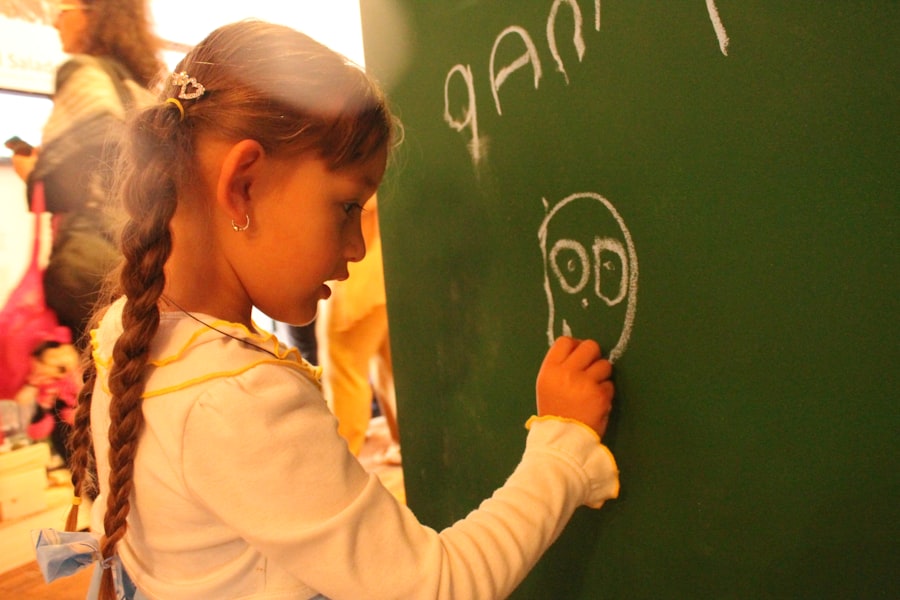
When considering educational games for children with speech and language delays, we find that there are several types that can be particularly beneficial. These include: – **Interactive Apps**: Digital platforms like COCO THINKS and COCO MOVES offer a range of interactive games designed specifically for K12 children. These apps engage children through colourful graphics and captivating storylines while promoting language skills.
– **Board Games**: Traditional board games can also be adapted to support speech and language development. Games that require players to describe objects or actions can encourage vocabulary expansion and improve expressive language skills. – **Role-Playing Games**: Engaging in role-play scenarios allows children to practice conversational skills in a safe environment.
By taking on different characters, they can experiment with language use and develop their social communication abilities. By incorporating a variety of game types into our approach, we can cater to different learning styles and preferences, ensuring that every child has the opportunity to thrive.
Benefits of Using Educational Games for Children with Speech and Language Delays
The benefits of using educational games for children with speech and language delays are manifold. Firstly, these games provide a low-pressure environment where children can learn at their own pace. This relaxed atmosphere encourages exploration and experimentation with language without the fear of making mistakes.
Secondly, educational games often incorporate elements of repetition and reinforcement, which are crucial for solidifying new skills. As children engage with these games repeatedly, they become more familiar with vocabulary and language structures, leading to improved retention and recall. Additionally, educational games foster social interaction among peers.
When children play together, they have the opportunity to practice their communication skills in real-time, enhancing their ability to engage in conversations and collaborate with others. This social aspect is particularly important for children with speech and language delays, as it helps them build confidence in their abilities.
How to Choose the Right Educational Games for Children with Speech and Language Delays
Selecting the right educational games for children with speech and language delays requires careful consideration of several factors. Firstly, we should assess the specific needs of each child. Understanding their strengths and weaknesses will guide us in choosing games that target areas requiring improvement.
Next, we should consider the age appropriateness of the game. It is essential to select games that align with the child’s developmental stage to ensure they remain engaged and motivated. Games that are too advanced may lead to frustration, while those that are too simplistic may not provide enough challenge.
Finally, we should evaluate the game’s design and interactivity. Games that incorporate visual aids, auditory feedback, and hands-on activities tend to be more effective in capturing children’s attention and facilitating learning. By prioritising these elements, we can create a more enriching experience for children as they work on their speech and language skills.
Incorporating Educational Games into Speech and Language Therapy
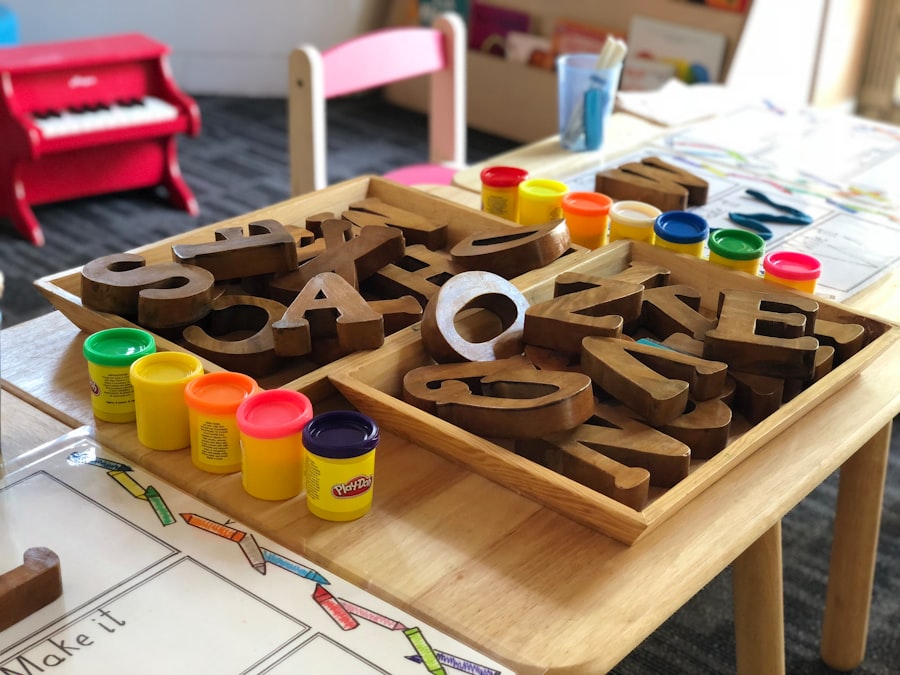
Integrating educational games into speech and language therapy sessions can significantly enhance the effectiveness of our interventions. By using games as therapeutic tools, we can create a dynamic learning environment that encourages active participation from children. For instance, during therapy sessions, we can introduce specific games that align with the goals outlined in each child’s Individualised Education Plan (IEP).
This targeted approach ensures that we are addressing their unique needs while keeping them engaged in the process. Furthermore, incorporating educational games allows us to track progress more effectively. As children play these games over time, we can observe improvements in their communication skills and adjust our strategies accordingly.
This data-driven approach not only informs our practice but also provides valuable insights for families as they witness their child’s growth.
Tips for Using Educational Games Effectively with Children with Speech and Language Delays
To maximise the benefits of educational games for children with speech and language delays, we can implement several strategies: – **Set Clear Objectives**: Before introducing a game, we should establish specific goals for what we want the child to achieve during playtime. This clarity will help us stay focused on the desired outcomes. – **Encourage Interaction**: As we play together, we should prompt children to express themselves verbally.
Asking open-ended questions or encouraging them to describe their actions can facilitate meaningful communication. – **Provide Positive Reinforcement**: Celebrating small successes during gameplay can boost children’s confidence and motivation. Acknowledging their efforts reinforces positive behaviour and encourages continued engagement.
By employing these tips, we can create a supportive atmosphere that fosters growth while making learning enjoyable.
Examples of Educational Games for Children with Speech and Language Delays
There are numerous educational games available that cater specifically to children with speech and language delays. Some notable examples include: – **COCO THINKS**: This app offers a variety of brain games designed to enhance cognitive skills while promoting language development. With engaging activities that focus on vocabulary building and comprehension, COCO THINKS provides an excellent resource for K12 learners.
– **COCO MOVES**: Another fantastic app from Dynseo, COCO MOVES combines physical activity with language learning. By encouraging movement while engaging in language-based tasks, this app promotes both physical health and communication skills. – **Story Cubes**: These dice feature various images that inspire storytelling.
Children can roll the dice and create narratives based on the pictures they see, allowing them to practice expressive language in a fun way. By incorporating these examples into our toolkit, we can provide diverse opportunities for children to develop their speech and language skills.
The Role of Educational Games in Enhancing Communication Skills
Educational games serve as powerful tools for enhancing communication skills among children with speech and language delays. Through interactive play, children are encouraged to articulate their thoughts, ask questions, and engage in dialogue with peers or caregivers. Moreover, these games often require players to listen attentively and respond appropriately, fostering active listening skills essential for effective communication.
As children navigate various scenarios within the game context, they learn how to adapt their language use based on different social situations. Ultimately, educational games create a bridge between play and learning, allowing children to practice essential communication skills in a supportive environment where mistakes are viewed as opportunities for growth rather than setbacks.
Overcoming Challenges in Using Educational Games for Children with Speech and Language Delays
While educational games offer numerous benefits, there may be challenges in implementing them effectively for children with speech and language delays. One common obstacle is maintaining engagement; some children may lose interest quickly or become frustrated if they struggle with certain tasks. To overcome this challenge, we can introduce variety into our game selection by rotating different types of games regularly.
This approach keeps the experience fresh and exciting while catering to different interests. Another challenge may arise from varying levels of ability among peers during group play. To address this issue, we can modify game rules or provide additional support to ensure all participants feel included and capable of contributing meaningfully.
By proactively addressing these challenges, we can create an inclusive environment where every child has the opportunity to thrive through educational gaming experiences.
Conclusion and Future Outlook for Educational Games in Supporting Children with Speech and Language Delays
In conclusion, educational games represent a valuable resource for supporting children with speech and language delays. By harnessing the power of play, we can create engaging learning experiences that promote communication skills while fostering confidence and social interaction. As technology continues to evolve, we anticipate even more innovative educational game options will emerge in the future.
These advancements will likely offer enhanced interactivity, personalised learning experiences, and greater accessibility for families seeking support for their children’s development. Ultimately, our commitment to utilising educational games as part of our approach will pave the way for improved outcomes for children facing speech and language challenges. Together, we can empower these young learners to overcome obstacles and unlock their full potential through effective communication.
In exploring the benefits of educational games for children with speech and language delays, it is also valuable to consider the broader context of learning through play. An insightful article on this topic can be found at The Science Behind Learning Through Play, which delves into how play-based activities can enhance cognitive and communicative skills in children. This resource complements the discussion on educational games by highlighting the underlying principles that make these activities effective for children with various learning needs.