

As we delve into the world of sensory-friendly educational games, we find ourselves exploring a vital aspect of modern education. These games are designed specifically to accommodate the diverse sensory needs of children, particularly those who may experience sensory sensitivities. By understanding the principles behind these games, we can better appreciate their role in fostering an inclusive learning environment.
Sensory-friendly educational games often incorporate elements that reduce overstimulation, such as calming colours, gentle sounds, and adjustable difficulty levels. This thoughtful design allows children to engage with the material at their own pace, promoting a sense of comfort and security. In our experience, sensory-friendly games can be particularly beneficial for children with special needs, including those on the autism spectrum or with attention deficit hyperactivity disorder (ADHD).
These children may struggle with traditional educational methods that do not take their sensory preferences into account. By providing a range of sensory-friendly options, we can create a more inclusive educational landscape that caters to the unique needs of every learner. Our educational app, COCO THINKS, exemplifies this approach by offering engaging activities that are both fun and tailored to sensitive learners.
Summary
- Sensory-friendly educational games are designed to accommodate the needs of sensitive learners by minimising overwhelming stimuli.
- Catering to sensitive learners is crucial for inclusive education and helps improve their engagement and learning outcomes.
- Key features of sensory-friendly games include adjustable sensory input, calming visuals, and clear instructions.
- Incorporating sensory-friendly elements into games supports emotional regulation and enhances focus for sensitive children.
- Collaboration between educators, parents, and game designers is essential to create effective and supportive sensory-friendly learning experiences.
The Importance of Catering to Sensitive Learners
Catering to sensitive learners is not merely a matter of convenience; it is essential for fostering their academic and emotional development. When we consider the challenges faced by these children, it becomes clear that traditional educational methods may inadvertently alienate them. By recognising and addressing their unique needs, we can create an environment where they feel valued and understood.
This, in turn, can lead to increased motivation and engagement in their learning journey. Moreover, sensitive learners often possess remarkable strengths that can be harnessed through tailored educational experiences. By providing them with sensory-friendly educational games, we can help them develop critical thinking skills, creativity, and social interaction abilities.
Our online training courses for families and SENDCo teachers focus on equipping them with the knowledge and tools necessary to support these learners effectively. By working together, we can ensure that sensitive learners receive the attention and encouragement they need to thrive.
Characteristics of Sensory-Friendly Educational Games
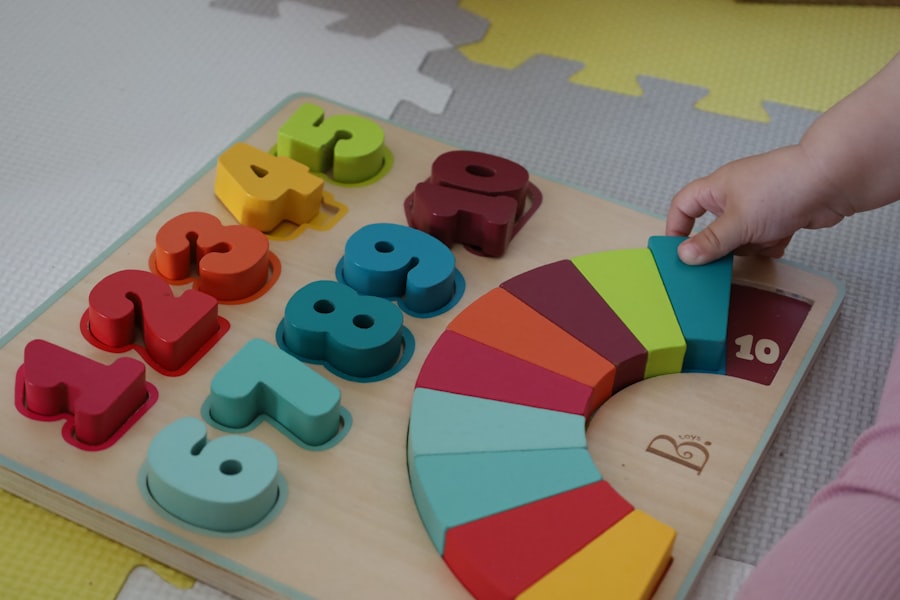
When we think about the characteristics of sensory-friendly educational games, several key features come to mind. Firstly, these games often incorporate adjustable sensory inputs, allowing children to customise their experience according to their preferences. For instance, they may have options for sound levels, visual effects, or even tactile feedback.
This flexibility enables sensitive learners to engage with the game in a way that feels comfortable for them. Additionally, sensory-friendly educational games tend to focus on gradual skill development rather than overwhelming challenges. By presenting information in bite-sized chunks and offering positive reinforcement for achievements, these games help build confidence in sensitive learners.
Our app, COCO MOVES, exemplifies this approach by providing interactive activities that encourage physical movement while remaining mindful of sensory sensitivities. This balance between fun and learning is crucial for maintaining engagement and promoting a positive learning experience.
How Sensory-Friendly Games Benefit Sensitive Learners
The benefits of sensory-friendly games for sensitive learners are manifold. Firstly, these games can significantly reduce anxiety and stress levels by providing a safe space for exploration and learning. When children feel comfortable in their environment, they are more likely to take risks and engage with new concepts.
This sense of security is particularly important for sensitive learners who may struggle with change or unfamiliar situations. Furthermore, sensory-friendly educational games can enhance social skills by encouraging collaboration and communication among peers. Many of these games are designed to be played in groups or pairs, fostering teamwork and social interaction.
As sensitive learners engage with their peers in a supportive environment, they can develop essential social skills that will serve them well throughout their lives. Our training courses emphasise the importance of creating opportunities for social interaction among sensitive learners, helping families and educators understand how to facilitate these experiences effectively.
Incorporating Sensory-Friendly Elements into Educational Games
Incorporating sensory-friendly elements into educational games requires careful consideration of various factors. One approach is to utilise calming colours and visuals that are less likely to overwhelm sensitive learners. Soft pastels or muted tones can create a soothing atmosphere that encourages focus and engagement.
Additionally, incorporating gentle sounds or music can enhance the overall experience without causing distress. Another important aspect is the inclusion of tactile elements that cater to different sensory preferences. For example, incorporating textured materials or interactive features can provide a multi-sensory experience that keeps learners engaged.
Our COCO THINKS app includes various activities that stimulate different senses while remaining mindful of potential sensitivities. By thoughtfully integrating these elements into educational games, we can create an enriching experience for all learners.
Choosing the Right Sensory-Friendly Educational Games

When it comes to choosing the right sensory-friendly educational games, we must consider several factors to ensure they meet the needs of sensitive learners effectively. Firstly, it is essential to evaluate the game’s content and objectives. Does it align with the learning goals we have set for our students?
Are the activities engaging and age-appropriate? By carefully assessing these aspects, we can select games that will provide meaningful learning experiences. Additionally, we should consider the feedback from both children and educators when selecting sensory-friendly games.
Gathering insights from those who will be using the games can help us understand their preferences and needs better. Our online training courses encourage families and SENDCo teachers to share their experiences and recommendations regarding sensory-friendly educational resources. By fostering open communication and collaboration, we can make informed decisions that benefit all learners.
Tips for Creating a Sensory-Friendly Learning Environment
Creating a sensory-friendly learning environment involves more than just selecting appropriate educational games; it requires a holistic approach that considers various aspects of the classroom or home setting. One effective strategy is to establish designated quiet areas where sensitive learners can retreat when feeling overwhelmed. These spaces should be equipped with calming resources such as soft cushions, noise-cancelling headphones, or fidget toys.
Moreover, we should strive to minimise distractions in the learning environment by reducing clutter and maintaining a consistent routine. Predictability can be comforting for sensitive learners, helping them feel more secure in their surroundings. Our training courses provide practical tips for families and educators on how to create such environments tailored to the needs of sensitive learners.
Strategies for Engaging Sensitive Learners with Educational Games
Engaging sensitive learners with educational games requires a thoughtful approach that takes their unique needs into account. One effective strategy is to incorporate choice into the learning process. Allowing children to select which games they want to play empowers them and fosters a sense of ownership over their learning journey.
This autonomy can significantly enhance their motivation and engagement levels. Additionally, we should consider incorporating collaborative elements into educational games that encourage peer interaction. Group activities can help sensitive learners develop social skills while also providing opportunities for shared learning experiences.
Our COCO MOVES app includes features that promote teamwork and cooperation among players, making it an excellent resource for engaging sensitive learners in a fun and supportive manner.
Adapting Traditional Educational Games for Sensory-Friendly Play
Adapting traditional educational games for sensory-friendly play is an essential step in making learning accessible for all children. One approach is to modify the rules or objectives of existing games to reduce potential stressors for sensitive learners. For instance, we might simplify instructions or provide visual aids to support comprehension.
Another effective strategy is to adjust the pace of play to accommodate different learning styles. Sensitive learners may benefit from slower-paced activities that allow them time to process information without feeling rushed. By making these adaptations, we can ensure that traditional educational games become more inclusive and enjoyable for all participants.
Collaborating with Educators and Parents to Support Sensitive Learners
Collaboration between educators and parents is crucial in supporting sensitive learners effectively. By working together, we can share insights and strategies that enhance the learning experience for these children. Regular communication between families and educators allows us to stay informed about each child’s unique needs and preferences.
Our online training courses aim to bridge this gap by providing valuable resources for both families and SENDCo teachers. We encourage participants to share their experiences and collaborate on best practices for supporting sensitive learners in various settings. This partnership fosters a sense of community and ensures that every child receives the support they need to thrive academically and emotionally.
Evaluating the Impact of Sensory-Friendly Educational Games
Finally, evaluating the impact of sensory-friendly educational games is essential for understanding their effectiveness in supporting sensitive learners. We should regularly assess children’s progress and engagement levels while using these resources. Gathering feedback from both children and educators can provide valuable insights into what works well and what may need adjustment.
By analysing this data, we can make informed decisions about which sensory-friendly games are most beneficial for our students. Our commitment to continuous improvement ensures that we remain responsive to the evolving needs of sensitive learners while fostering an inclusive educational environment where every child has the opportunity to succeed. In conclusion, as we navigate the world of sensory-friendly educational games, it becomes increasingly clear that these resources play a vital role in supporting sensitive learners.
By understanding their unique needs and incorporating thoughtful design elements into our educational practices, we can create an inclusive environment where all children feel valued and empowered to learn.
For educators seeking to create an inclusive learning environment, exploring sensory-friendly educational games for sensitive learners can be greatly enhanced by understanding the broader context of educational play. A related article that delves into the benefits of outdoor educational games for children can provide valuable insights into how different environments can cater to various learning needs. You can read more about this in the article The Benefits of Outdoor Educational Games for Kids.