

As we embark on the journey of understanding educational games for children with Down syndrome, we find ourselves in a realm where learning meets play. Educational games are not merely tools for entertainment; they serve as vital instruments that can enhance cognitive, social, and emotional development. For children with Down syndrome, these games can be particularly beneficial, as they often require tailored approaches to learning.
By engaging in educational games, we can create an inclusive environment that fosters growth and development while ensuring that learning is enjoyable. In our exploration of this topic, we will delve into various aspects of educational games specifically designed for children with Down syndrome. We will examine the benefits these games offer, how to choose the right ones, and the different categories of games that cater to various developmental needs.
Our aim is to provide insights that can help parents, educators, and caregivers create enriching experiences for children with Down syndrome through the power of play.
Summary
- Educational games offer tailored support to enhance learning for children with Down syndrome.
- Selecting games that focus on language, numeracy, motor, and social skills can address specific developmental needs.
- Technology-based games provide interactive and engaging ways to reinforce key skills.
- Incorporating educational games into daily routines helps maintain consistency and promotes progress.
- Access to specialised resources ensures parents and educators can choose appropriate and effective games.
Benefits of Educational Games for Children with Down Syndrome
The benefits of educational games for children with Down syndrome are manifold. Firstly, these games can significantly enhance cognitive skills. By engaging in activities that challenge their thinking and problem-solving abilities, children can develop critical skills that are essential for their academic success.
For instance, games that involve puzzles or memory challenges can help improve concentration and memory retention. Moreover, educational games also promote social interaction. When children play together, they learn to communicate, share, and collaborate.
This social aspect is crucial for children with Down syndrome, as it helps them build relationships and develop essential social skills. Through cooperative play, they can learn to navigate social situations more effectively, which is vital for their overall development. – Cognitive skill enhancement
– Improved memory retention
– Promotion of social interaction
– Development of essential social skills
Choosing the Right Educational Games for Children with Down Syndrome
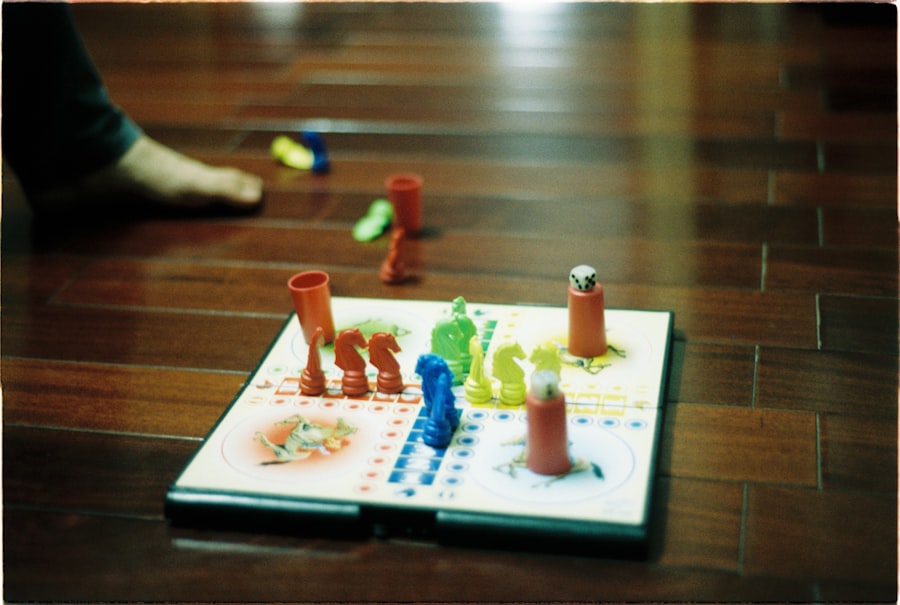
When it comes to selecting educational games for children with Down syndrome, we must consider several factors to ensure that the chosen games are appropriate and beneficial. Firstly, we should assess the child’s individual needs and interests. Each child is unique, and what works for one may not work for another.
By understanding their preferences, we can select games that will engage them effectively. Additionally, we should look for games that are designed specifically for children with special needs. These games often incorporate features that cater to various learning styles and developmental levels.
For example, games that use visual aids or tactile elements can be particularly effective for children who may struggle with traditional learning methods. Furthermore, we should consider the complexity of the game; it should be challenging enough to stimulate learning but not so difficult that it leads to frustration. – Assess individual needs and interests
– Look for specially designed games
– Incorporate visual aids or tactile elements
– Balance challenge and accessibility
Language and Communication Games for Children with Down Syndrome
Language and communication are fundamental areas of development for children with Down syndrome. Educational games that focus on these skills can be incredibly beneficial in helping them express themselves more effectively. For instance, interactive storytelling games can encourage children to use their imagination while also enhancing their vocabulary and comprehension skills.
Moreover, games that involve turn-taking and conversation can help children practice their communication skills in a fun and engaging way. By participating in these activities, they learn to listen actively and respond appropriately, which are essential components of effective communication. We can also incorporate technology-based language games that provide instant feedback, allowing children to learn at their own pace while enjoying the process.
– Interactive storytelling games
– Vocabulary enhancement
– Turn-taking and conversation practice
– Technology-based language games
Numeracy and Maths Games for Children with Down Syndrome
Numeracy skills are crucial for everyday life, and educational games can play a significant role in helping children with Down syndrome develop these skills. Games that focus on counting, sorting, and basic arithmetic can make learning maths enjoyable and accessible. For example, using colourful counting blocks or interactive apps can help children grasp fundamental concepts in a playful manner.
Additionally, we should consider incorporating real-life scenarios into maths games. For instance, setting up a pretend shop where children can practice counting money or measuring ingredients while cooking can provide practical applications of their numeracy skills. This hands-on approach not only reinforces their learning but also makes it relevant to their daily lives.
– Counting and sorting games
– Use of colourful counting blocks
– Real-life scenarios in maths games
– Practical applications of numeracy skills
Fine Motor Skills Games for Children with Down Syndrome

Fine motor skills are essential for tasks such as writing, drawing, and self-care activities. Educational games that focus on developing these skills can greatly benefit children with Down syndrome. Activities such as threading beads, using scissors to cut shapes, or engaging in arts and crafts can enhance hand-eye coordination and dexterity.
We can also explore digital platforms that offer fine motor skill activities through touch screens or stylus pens. These technology-based options can provide a different level of engagement while still focusing on skill development. By incorporating a variety of activities into our approach, we can ensure that children have ample opportunities to practice and refine their fine motor skills in enjoyable ways.
– Threading beads and cutting shapes
– Arts and crafts activities
– Digital platforms for fine motor skills
– Variety of activities for skill development
Social Skills and Emotional Development Games for Children with Down Syndrome
Social skills and emotional development are critical components of a child’s growth. Educational games that focus on these areas can help children with Down syndrome navigate social situations more effectively. Role-playing games can be particularly useful in teaching children how to express their feelings and understand the emotions of others.
Additionally, we can incorporate games that promote empathy and cooperation. For instance, team-based activities encourage collaboration and teach children the importance of working together towards a common goal. By engaging in these types of games, children learn valuable lessons about friendship, sharing, and understanding different perspectives.
– Role-playing games for emotional expression
– Empathy-promoting activities
– Team-based collaboration
– Lessons about friendship and sharing
Sensory and Motor Skills Games for Children with Down Syndrome
Sensory play is an essential aspect of development for all children, particularly those with Down syndrome who may have sensory processing challenges. Educational games that incorporate sensory experiences can help stimulate their senses while promoting motor skills development. Activities such as playing with textured materials or engaging in water play can provide rich sensory experiences.
Moreover, we should consider incorporating movement-based games that encourage physical activity while also enhancing motor skills. Games that involve jumping, dancing, or balancing not only promote physical fitness but also improve coordination and body awareness. By integrating sensory and motor skills activities into our routine, we create a holistic approach to learning that caters to various developmental needs.
– Textured materials for sensory experiences
– Water play activities
– Movement-based physical activities
– Holistic approach to learning
Technology-Based Educational Games for Children with Down Syndrome
In today’s digital age, technology-based educational games have become increasingly popular among children with special needs. These games often offer interactive experiences that engage children in unique ways. For instance, apps like COCO THINKS and COCO MOVES provide a range of educational activities designed specifically for K12 learners.
These technology-based platforms allow us to tailor learning experiences to individual needs while providing instant feedback and progress tracking. Additionally, they often incorporate gamification elements that make learning fun and motivating. By embracing technology in our approach to education, we can create dynamic learning environments that resonate with children.
– Interactive experiences through technology
– Tailored learning with instant feedback
– Gamification elements for motivation
– Dynamic learning environments
Tips for Incorporating Educational Games into Daily Routine for Children with Down Syndrome
Incorporating educational games into the daily routine of children with Down syndrome requires thoughtful planning and consistency. One effective strategy is to set aside dedicated time each day for play-based learning activities. This could be as simple as a 30-minute session after school where we engage in various educational games together.
We should also aim to integrate these games into everyday activities whenever possible. For example, while cooking dinner, we could turn measuring ingredients into a fun maths game or use storytelling during bath time to enhance language skills. By weaving educational games into our daily lives, we create opportunities for learning without it feeling like a chore.
– Set dedicated time for play-based learning
– Integrate games into everyday activities
– Use cooking as a maths game opportunity
– Create opportunities for learning naturally
Conclusion and Resources for Educational Games for Children with Down Syndrome
In conclusion, educational games offer a wealth of benefits for children with Down syndrome by enhancing cognitive skills, promoting social interaction, and supporting emotional development. As we have explored throughout this article, there are numerous types of educational games available that cater to various developmental needs. For those seeking resources to support their journey in finding suitable educational games, platforms like COCO THINKS and COCO MOVES provide excellent options tailored specifically for K12 learners.
Additionally, our online training courses offer valuable insights for families and SENDCo teachers on how to effectively support children with special needs. By embracing the power of educational games in our approach to learning, we can create enriching experiences that foster growth and development in children with Down syndrome while ensuring that learning remains enjoyable and engaging.
For those interested in exploring the benefits of educational games for children with Down syndrome, a related article that delves into the broader impact of learning through play is available at Engaging Education: The Power of Learning Through Games. This article highlights how interactive and engaging educational games can enhance learning experiences for all children, making it a valuable resource for parents and educators alike.