

As we embark on our journey into the world of map reading skills, we find ourselves navigating through a landscape rich with opportunities for learning and exploration. Map reading is not merely a skill; it is an essential tool that empowers us to understand our surroundings, plan our routes, and engage with the world in a meaningful way. Whether we are planning a family outing, embarking on a school trip, or simply trying to find our way in a new city, the ability to read and interpret maps is invaluable.
In our classrooms, we often witness the spark of curiosity ignited when students first encounter maps. The intricate lines, symbols, and colours can seem daunting at first, but as we guide them through the process of understanding these elements, we see their confidence grow. We remember a particular lesson where we introduced our students to a local map, encouraging them to identify landmarks and routes.
The excitement in their voices as they pointed out familiar places was a testament to the power of map reading skills in fostering a sense of belonging and awareness.
The Importance of Map Reading Skills
The importance of map reading skills extends far beyond the classroom. In our daily lives, we rely on maps for navigation, whether it be through physical maps or digital applications. Understanding how to read a map equips us with the ability to make informed decisions about our journeys.
For instance, when planning a family road trip, we can assess the best routes, identify rest stops, and discover interesting attractions along the way. This not only enhances our travel experience but also fosters a sense of adventure and exploration. Moreover, map reading skills are crucial in developing critical thinking and problem-solving abilities.
When we encounter a map, we are challenged to interpret symbols, scale, and orientation. This process encourages us to think analytically and make connections between different pieces of information. In our classrooms, we often incorporate map reading into geography lessons, allowing students to engage with real-world scenarios.
For example, we might present them with a map of a fictional island and ask them to plan an expedition, considering factors such as terrain and resources. This hands-on approach not only reinforces map reading skills but also cultivates creativity and teamwork.
Choosing the Right Games for Teaching Map Reading

When it comes to teaching map reading skills, choosing the right games can make all the difference. We have discovered that games can transform what might seem like a daunting task into an engaging and enjoyable experience. The key is to select games that align with our learning objectives while also catering to the interests of our students.
For instance, we might opt for scavenger hunt-style games that encourage students to explore their surroundings while using maps to locate specific items or landmarks. In our experience, incorporating elements of competition can also enhance engagement. We recall a time when we organised a map-reading relay race in which teams had to navigate through a series of checkpoints using a map.
The thrill of racing against the clock not only motivated students but also reinforced their understanding of map symbols and directions. By carefully selecting games that promote active participation and collaboration, we create an environment where students feel empowered to develop their map reading skills.
Incorporating Games into Map Reading Lessons
Integrating games into our map reading lessons has proven to be an effective strategy for enhancing student engagement and retention. We often begin our lessons by introducing key concepts related to maps, such as scale, symbols, and cardinal directions. Once students have grasped these foundational elements, we seamlessly transition into game-based activities that reinforce their learning.
For example, after teaching students about different types of maps—such as topographic maps or thematic maps—we might organise a game where they must match various maps to their corresponding descriptions or uses. This not only reinforces their understanding but also encourages them to think critically about how different maps serve different purposes. By incorporating games into our lessons, we create a dynamic learning environment that fosters curiosity and exploration.
Creating Interactive Map Reading Games
Creating interactive map reading games allows us to tailor our lessons to meet the diverse needs of our students. We often brainstorm ideas that encourage hands-on learning experiences. One memorable activity involved designing a treasure hunt where students had to use a map to locate hidden treasures around the school grounds.
As they worked in teams to decipher clues and navigate using their maps, we witnessed their enthusiasm soar. Additionally, we have found that incorporating technology can elevate our interactive games even further. For instance, using tablets or smartphones equipped with mapping applications allows students to engage with digital maps in real-time.
They can zoom in on specific locations, explore satellite imagery, and even create their own custom maps. This blend of traditional map reading skills with modern technology not only captivates students’ attention but also prepares them for navigating an increasingly digital world.
Utilizing Technology for Map Reading Games
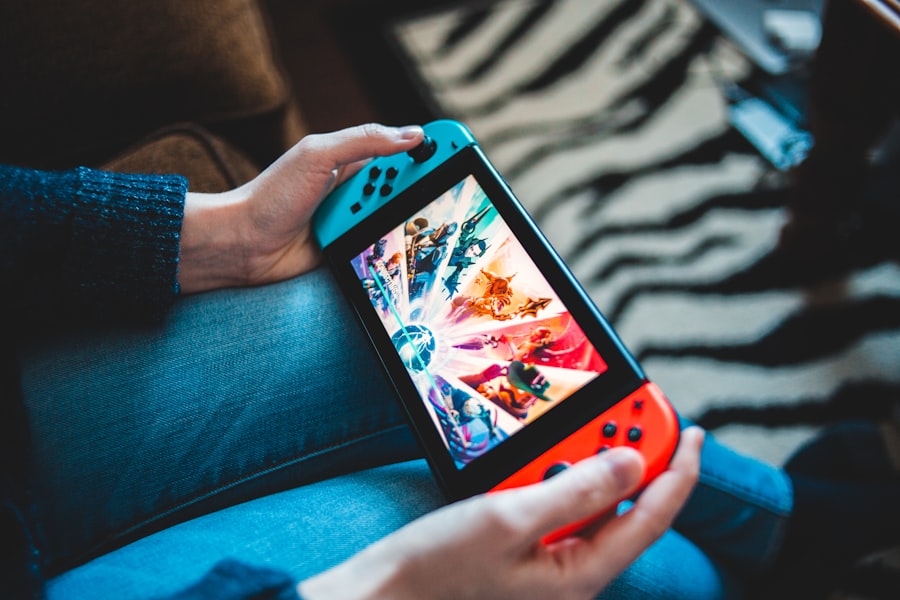
In today’s digital age, technology plays a pivotal role in enhancing our approach to teaching map reading skills. We have embraced various educational apps that provide interactive experiences for students. One such app is COCO THINKS and COCO MOVES, which offers engaging games designed specifically for children and those with special needs.
These apps provide an excellent platform for reinforcing map reading skills through fun and interactive challenges. For example, COCO THINKS includes games that require players to navigate virtual environments using maps, helping them develop spatial awareness and critical thinking skills. By integrating these technological tools into our lessons, we create opportunities for personalised learning experiences that cater to individual needs.
Students can progress at their own pace while enjoying the interactive nature of these games.
Engaging Students with Map Reading Games
Engaging students with map reading games requires creativity and an understanding of their interests. We have found that incorporating themes or narratives into our games can significantly enhance student motivation. For instance, we might create a storyline where students become explorers on a quest to discover hidden treasures in a fictional land.
As they navigate through various challenges using maps, they become invested in the adventure. Moreover, we encourage students to take ownership of their learning by allowing them to design their own map reading games. This not only fosters creativity but also reinforces their understanding of key concepts as they think critically about how to structure their games.
By providing opportunities for student-led initiatives, we cultivate a sense of agency and enthusiasm for learning.
Monitoring Progress and Assessment in Map Reading Games
Monitoring progress and assessing student understanding in map reading games is essential for ensuring effective learning outcomes. We often incorporate formative assessments throughout our game-based activities to gauge student comprehension. For example, after completing a scavenger hunt using maps, we might hold a debriefing session where students reflect on their experiences and share what they learned.
Additionally, we utilise observation as a valuable assessment tool during gameplay. By closely monitoring student interactions and problem-solving strategies, we gain insights into their understanding of map reading concepts. This allows us to provide targeted feedback and support where needed.
Furthermore, incorporating self-assessment opportunities encourages students to reflect on their own progress and set goals for improvement.
Encouraging Collaboration and Teamwork through Map Reading Games
Collaboration and teamwork are integral components of effective learning experiences, especially when it comes to map reading skills. We have witnessed firsthand how cooperative games can foster communication and collaboration among students. For instance, during a team-based mapping challenge, students must work together to interpret clues and navigate using their maps.
By encouraging collaboration, we create an environment where students learn from one another and develop essential social skills. We often emphasise the importance of listening to different perspectives and valuing each team member’s contributions. This not only enhances their map reading abilities but also prepares them for future collaborative endeavours in both academic and real-world contexts.
Adapting Map Reading Games for Different Age Groups
Adapting map reading games for different age groups is crucial for ensuring that all students can engage meaningfully with the content. We recognise that younger children may require simpler maps with fewer symbols and clearer instructions, while older students can handle more complex challenges that involve critical thinking and problem-solving. For instance, when working with younger students, we might create colourful visual maps featuring familiar landmarks from their community.
In contrast, with older students, we could introduce topographic maps or thematic maps that require deeper analysis and interpretation. By tailoring our games to suit the developmental stages of our students, we create inclusive learning experiences that cater to diverse needs.
The Benefits of Using Games to Teach Map Reading Skills
In conclusion, the benefits of using games to teach map reading skills are manifold. Through engaging activities that promote exploration and collaboration, we empower our students to develop essential skills that will serve them well throughout their lives. From enhancing critical thinking abilities to fostering teamwork and communication skills, game-based learning creates an enriching educational experience.
As we continue to embrace innovative approaches such as technology integration with apps like COCO THINKS and COCO MOVES, we remain committed to providing dynamic learning opportunities for all students—regardless of their abilities or backgrounds. Ultimately, by making map reading enjoyable through games, we inspire a lifelong love for learning and exploration in our students as they navigate the world around them with confidence and curiosity.