
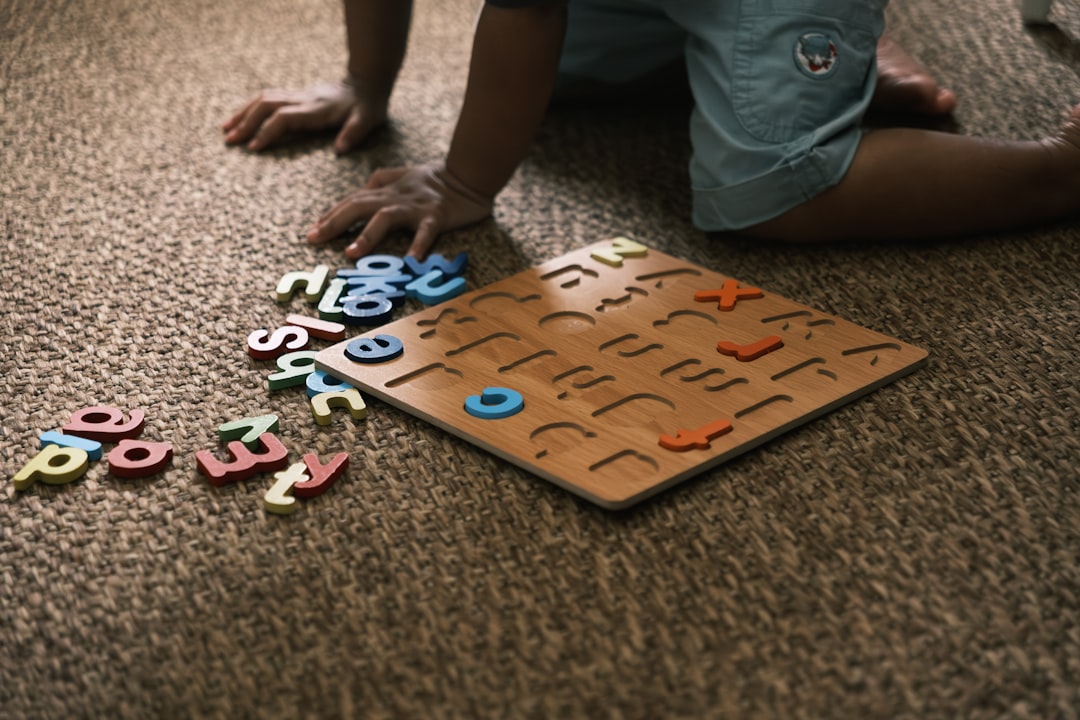
As we embark on the journey of nurturing young minds, we quickly realise that vocabulary building is a cornerstone of effective communication and learning. When we think back to our own childhood experiences, we can recall how the words we learned shaped our understanding of the world around us. For young learners, a robust vocabulary not only enhances their ability to express themselves but also enriches their comprehension skills.
It is through words that they connect with stories, engage in conversations, and articulate their thoughts and feelings. In our classrooms, we often witness the transformative power of vocabulary. For instance, when we introduce new words during a reading session, we can see the spark of curiosity in our students’ eyes.
They begin to ask questions, make connections, and even use those new words in their own sentences. This process is not merely about memorising definitions; it is about fostering a love for language and encouraging exploration. By prioritising vocabulary building, we are equipping our young learners with the tools they need to navigate their educational journeys and beyond.
How Educational Games Can Enhance Vocabulary Acquisition
In our quest to make learning engaging and effective, we have discovered that educational games serve as powerful tools for enhancing vocabulary acquisition. These games create an interactive environment where young learners can explore language in a fun and dynamic way. When we think about our own experiences with games, we remember how they often made learning feel less like a chore and more like an adventure.
For example, when we play word association games in class, we notice how students become more willing to take risks with language. They laugh, collaborate, and challenge each other to think creatively. This playful approach not only reinforces their existing vocabulary but also encourages them to experiment with new words.
Moreover, educational games often incorporate visual and auditory elements that cater to different learning styles, making vocabulary acquisition accessible to all students, including those with special needs.
Types of Educational Games for Vocabulary Building
As we delve deeper into the world of educational games, we find a plethora of options designed specifically for vocabulary building. One popular type is word puzzles, such as crosswords and word searches, which challenge students to think critically about word meanings and spellings. We often use these puzzles as warm-up activities in our classrooms, sparking excitement and engagement right from the start.
Another effective type of game is the use of flashcards, which can be transformed into interactive activities. For instance, we might organise a memory match game where students pair words with their corresponding images or definitions. This not only reinforces their understanding but also adds an element of competition that keeps them motivated.
Additionally, digital platforms like COCO THINKS and COCO MOVES offer a range of interactive vocabulary games tailored for young learners and special needs children. These apps provide a unique blend of fun and education, allowing students to learn at their own pace while enjoying engaging visuals and sounds.
Incorporating Educational Games into Classroom Curriculum
Integrating educational games into our classroom curriculum requires thoughtful planning and creativity. We often start by identifying specific vocabulary goals aligned with our lesson plans. For example, if we are exploring a particular theme or topic, we can select games that reinforce relevant vocabulary while keeping the learning objectives in mind.
One effective strategy we have employed is to dedicate specific time slots during our weekly schedule for vocabulary games. This not only sets clear expectations for our students but also allows them to look forward to these sessions as a highlight of their week. We might begin with a brief introduction to the new vocabulary before diving into the game, ensuring that students have a solid foundation upon which to build their understanding.
By weaving educational games seamlessly into our curriculum, we create a vibrant learning environment where vocabulary acquisition becomes an enjoyable and integral part of the learning process.
The Benefits of Using Educational Games for Vocabulary Building
The benefits of using educational games for vocabulary building extend far beyond mere word memorisation. As we observe our students engaging with these games, we notice significant improvements in their confidence and enthusiasm for language learning. The interactive nature of games fosters a sense of community among learners, encouraging collaboration and peer support as they work together to solve challenges.
Moreover, educational games often provide immediate feedback, allowing students to recognise their progress in real-time. This instant reinforcement can be incredibly motivating; when they successfully complete a game or master a new word, they experience a sense of accomplishment that fuels their desire to learn more. Additionally, these games can be tailored to accommodate diverse learning needs, ensuring that every student has the opportunity to thrive in their vocabulary development journey.
Tips for Choosing the Right Educational Games for Vocabulary Building

When it comes to selecting educational games for vocabulary building, we have learned that not all games are created equal. It is essential to consider several factors to ensure that the chosen games align with our learning objectives and cater to the needs of our students. First and foremost, we should assess the age appropriateness of the game; it should be engaging enough for young learners while still challenging them to expand their vocabulary.
We also look for games that promote active participation rather than passive consumption. Games that encourage collaboration or competition can foster a sense of excitement and motivation among students. Additionally, we consider the versatility of the game; can it be adapted for different themes or vocabulary sets?
Finally, incorporating technology through apps like COCO THINKS can provide an innovative approach to vocabulary building, offering interactive experiences that captivate young learners.
How to Integrate Educational Games into Language Learning Activities
Integrating educational games into language learning activities requires creativity and flexibility on our part as educators. One effective approach is to use games as a follow-up activity after introducing new vocabulary. For instance, after teaching a set of words related to animals, we might organise a game where students have to describe an animal using only those words while their peers guess which animal it is.
This not only reinforces their understanding but also encourages them to think critically about how they use language. Another strategy is to incorporate games into group work or pair activities. By allowing students to collaborate on vocabulary games, we foster teamwork and communication skills while reinforcing their language development.
We might set up stations around the classroom where different games are available, allowing students to rotate through each station and engage with various aspects of vocabulary building. This dynamic approach keeps the learning experience fresh and exciting.
Using Educational Games to Engage and Motivate Young Learners
Engagement is key when it comes to motivating young learners in their vocabulary development journey. We have found that educational games provide an excellent avenue for capturing their attention and sparking their interest in language learning. The element of play transforms what could be a mundane task into an enjoyable experience that students look forward to.
For example, when we introduce a competitive element into vocabulary games—such as timed challenges or team-based competitions—we notice an increase in enthusiasm among our students. They become eager to participate and showcase their knowledge while cheering each other on. This sense of camaraderie not only enhances their motivation but also creates a positive classroom atmosphere where learning becomes a shared adventure.
Monitoring and Assessing Vocabulary Development through Educational Games
As educators, it is crucial for us to monitor and assess our students’ vocabulary development effectively. Educational games offer unique opportunities for assessment that go beyond traditional testing methods. By observing students as they engage with these games, we can gain valuable insights into their understanding of vocabulary concepts.
For instance, during gameplay, we can assess how well students apply new words in context or how quickly they recall definitions. We might also incorporate informal assessments by asking students to reflect on what they learned after playing a game or encouraging them to share new words they discovered during gameplay. This ongoing assessment allows us to tailor our instruction based on individual needs while celebrating each student’s progress along the way.
Overcoming Challenges in Implementing Educational Games for Vocabulary Building
While the benefits of using educational games for vocabulary building are clear, we must also acknowledge the challenges that may arise during implementation. One common hurdle is time constraints; with busy curricula and limited class time, finding opportunities for game-based learning can be difficult. To address this challenge, we have learned to be strategic in our planning by integrating short games into existing lessons rather than viewing them as separate activities.
Another challenge may be ensuring that all students are engaged and participating equally during gameplay. To overcome this, we often establish clear guidelines for group dynamics and encourage inclusive practices that allow every student to contribute meaningfully. By fostering an environment where all voices are heard and valued, we create a space where every learner feels empowered to take part in vocabulary building through educational games.
Resources for Finding Educational Games for Vocabulary Building
As we continue our journey in exploring educational games for vocabulary building, we are fortunate to have access to a wealth of resources that can support our efforts. Online platforms such as COCO THINKS provide an array of interactive games specifically designed for young learners and those with special needs. These resources not only offer engaging content but also allow us to track student progress over time.
Additionally, educational websites and teacher forums often share innovative game ideas and strategies that can inspire us in our own classrooms. We have found it helpful to collaborate with fellow educators by exchanging resources and experiences related to game-based learning. By tapping into these collective insights, we can enhance our approach to vocabulary building while ensuring that our students receive the best possible learning experiences.
In conclusion, as we reflect on the importance of vocabulary building in young learners, it becomes evident that educational games play a vital role in this process. By incorporating interactive and engaging activities into our curriculum, we create an environment where language learning flourishes. Through thoughtful selection and integration of educational games, we empower our students to develop their vocabulary skills while fostering a love for language that will serve them well throughout their lives.