

As we gather in our classrooms, we often find ourselves searching for innovative ways to engage our students in the wonders of the natural world. One of the most fascinating topics we can explore is the water cycle and weather patterns. The complexity of these subjects can sometimes overwhelm young minds, but educational games offer a refreshing approach to learning.
By integrating play into our teaching methods, we can create an environment where curiosity flourishes, and understanding deepens. Imagine a classroom buzzing with excitement as students interact with a game that simulates the water cycle. They become droplets of water, journeying through evaporation, condensation, and precipitation.
This immersive experience not only captures their attention but also solidifies their grasp of the concepts involved. With tools like COCO THINKS and COCO MOVES, our educational app designed for children and special needs learners, we can further enhance this experience by providing interactive challenges that cater to diverse learning styles.
The Importance of Understanding the Water Cycle and Weather
Understanding the water cycle and weather is crucial for several reasons. Firstly, these concepts are foundational to our comprehension of Earth’s systems. As we discuss the water cycle, we uncover how water moves through our environment, influencing everything from climate to agriculture.
This knowledge is not just academic; it has real-world implications that affect our daily lives. For instance, when we understand how rainfall patterns work, we can better appreciate the importance of conserving water during dry spells. Moreover, grasping the intricacies of weather patterns equips us with the tools to make informed decisions.
Whether it’s planning a family picnic or preparing for a storm, knowledge of weather systems allows us to navigate our lives more effectively. In our family discussions, we often share stories about how weather has impacted our plans, reinforcing the idea that understanding these concepts is essential for practical living. By teaching our students about the water cycle and weather through engaging educational games, we are not only imparting knowledge but also fostering critical thinking skills that will serve them throughout their lives.
Benefits of Using Educational Games for Learning about the Water Cycle and Weather
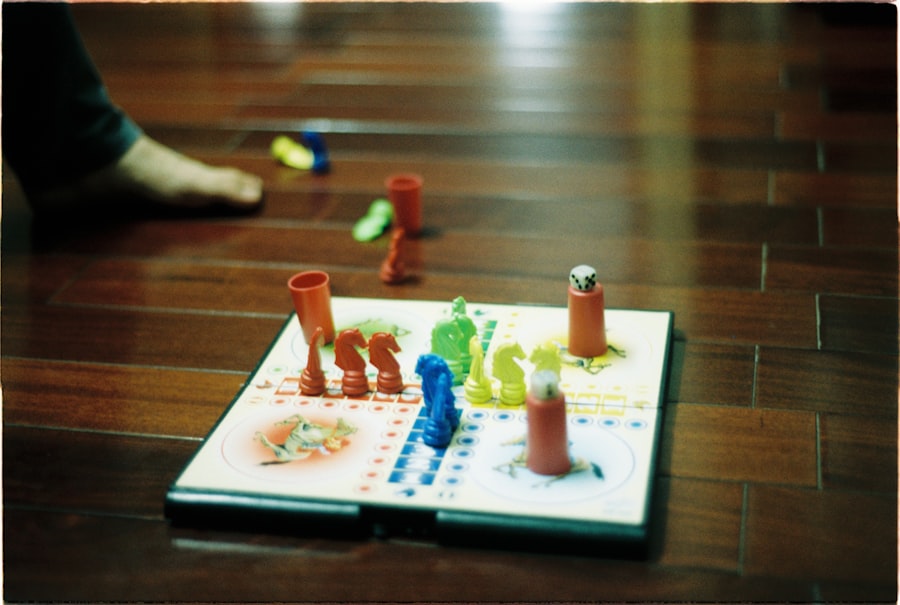
The benefits of using educational games in teaching about the water cycle and weather are manifold. Firstly, games provide an interactive platform that encourages active participation. When students engage with content through play, they are more likely to retain information.
For example, during a recent class project, we noticed that students who participated in a game about weather patterns could recall details about different types of clouds and their associated weather conditions much more readily than those who learned through traditional lectures. Additionally, educational games promote collaboration among students. As they work together to solve challenges or compete in teams, they develop social skills and learn from one another.
We often witness this dynamic in our classrooms; students who might be shy or reluctant to participate in discussions become animated when playing games. This collaborative spirit not only enhances their understanding of the subject matter but also fosters a sense of community within the classroom.
Types of Educational Games Available for Teaching the Water Cycle and Weather
There is a wide array of educational games available for teaching the water cycle and weather, catering to various learning preferences and age groups. Some games focus on simulation, allowing students to experience the water cycle firsthand by manipulating variables such as temperature and humidity. These simulations can be incredibly effective in illustrating how changes in one part of the cycle affect the whole system.
Other games may take the form of quizzes or puzzles that challenge students to match weather phenomena with their definitions or to sequence the stages of the water cycle correctly. For instance, we recently introduced a digital game where students had to navigate through different environments, collecting water droplets while avoiding obstacles like pollution or drought. This not only reinforced their understanding but also highlighted the importance of environmental stewardship.
Incorporating Educational Games into the Classroom Curriculum
Incorporating educational games into our classroom curriculum requires thoughtful planning and alignment with learning objectives. We often start by identifying key concepts related to the water cycle and weather that we want our students to master. Once these objectives are clear, we can select games that complement our lessons and provide opportunities for hands-on learning.
For example, after a lesson on precipitation types, we might introduce a game where students must identify different forms of precipitation based on real-life scenarios. This approach allows us to assess their understanding while keeping them engaged. Additionally, we can use games as a form of assessment; by observing how students interact with the game, we gain insights into their comprehension levels and areas that may need further reinforcement.
How Educational Games Enhance Learning and Retention of Water Cycle and Weather Concepts
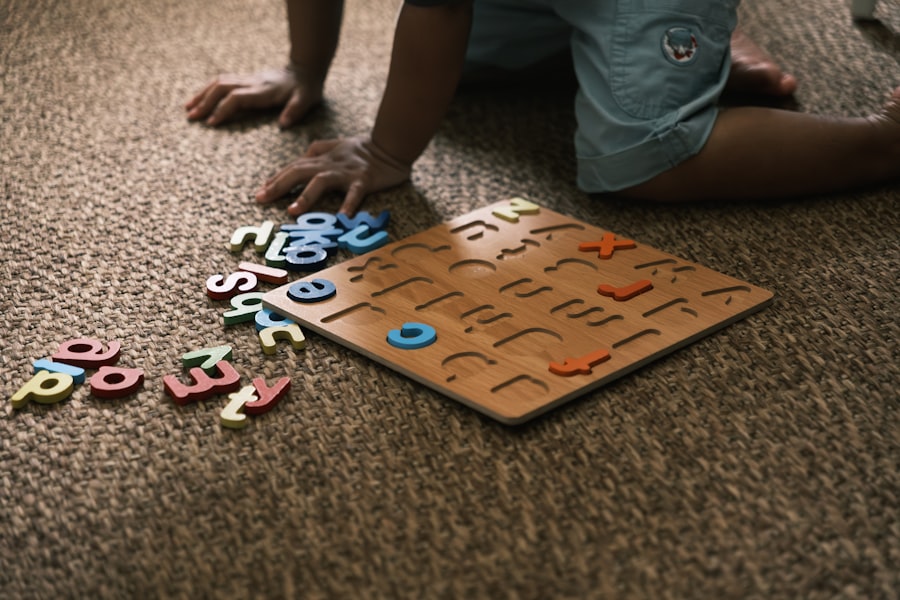
Educational games enhance learning and retention by creating memorable experiences that resonate with students long after they leave the classroom. When we think back to our own educational journeys, it’s often the interactive experiences that stand out most vividly in our memories. Games tap into this principle by making learning enjoyable and relevant.
Moreover, educational games often incorporate elements of storytelling, which can further deepen understanding. For instance, when students embark on a quest to save a fictional town from drought by completing challenges related to the water cycle, they become emotionally invested in the outcome. This emotional connection can significantly boost retention rates as they associate their learning with a narrative that holds meaning for them.
Examples of Educational Games for Teaching the Water Cycle and Weather
There are numerous examples of educational games that effectively teach the water cycle and weather concepts. One such game is “Water Cycle Adventure,” where players navigate through various stages of the cycle while facing challenges that mimic real-world scenarios like climate change or pollution. This game not only reinforces knowledge but also encourages critical thinking about environmental issues.
Another excellent resource is COCO THINKS, which offers interactive activities tailored for children and special needs learners. Through engaging puzzles and challenges, students can explore weather patterns and understand how different factors influence climate conditions. These games are designed to be inclusive, ensuring that all learners can participate meaningfully.
Tips for Choosing the Right Educational Games for Teaching the Water Cycle and Weather
When selecting educational games for teaching about the water cycle and weather, it’s essential to consider several factors. Firstly, we should ensure that the game aligns with our curriculum objectives and effectively addresses key concepts. A game that is entertaining but lacks educational value may not serve our students well.
Additionally, we should consider the age appropriateness of the game. It’s important to choose games that match our students’ developmental levels; what works for younger learners may not be suitable for older ones. Furthermore, accessibility is crucial—games like COCO MOVES are designed with inclusivity in mind, making them ideal choices for diverse classrooms.
Strategies for Using Educational Games to Engage Students in Learning about the Water Cycle and Weather
To maximise engagement when using educational games in our lessons, we can employ several strategies. Firstly, introducing games as a reward for completing lessons can motivate students to participate actively in their learning journey. For instance, after a week of studying weather patterns, we might host a game day where students can showcase what they’ve learned through fun challenges.
Another effective strategy is to encourage friendly competition among students. By dividing them into teams and setting up challenges related to the water cycle or weather phenomena, we create an environment where collaboration thrives while still fostering individual accountability. This approach not only enhances engagement but also builds camaraderie among classmates.
Assessing Student Learning and Progress through Educational Games
Assessing student learning through educational games provides valuable insights into their understanding of complex concepts like the water cycle and weather patterns. We can use observation during gameplay to gauge how well students apply what they’ve learned in real-time scenarios. For example, if a student struggles with identifying types of precipitation during a game challenge, it signals an area where further instruction may be needed.
Additionally, many educational games offer built-in assessment tools that track student progress over time. By reviewing these analytics, we can identify trends in learning outcomes and adjust our teaching strategies accordingly. This data-driven approach allows us to tailor our instruction to meet individual student needs effectively.
The Future of Educational Games for Teaching the Water Cycle and Weather
As we look towards the future of education, it’s clear that educational games will play an increasingly vital role in teaching complex subjects like the water cycle and weather patterns. With advancements in technology and a growing emphasis on interactive learning experiences, we have an exciting opportunity to engage our students in ways that were previously unimaginable. By embracing tools like COCO THINKS and COCO MOVES, we can create inclusive environments where all learners thrive while exploring essential scientific concepts.
As educators, it is our responsibility to harness these resources effectively, ensuring that our students not only understand but also appreciate the intricate systems that govern our planet’s climate and ecosystems. Together, let us continue to inspire curiosity and foster a love for learning through innovative educational games that make science come alive!